Small Combine Harvesters: Key Benefits, Applications & Innovations for Modern Farming
What Is a Small Combine and Why It Matters
When we talk about small combine harvesters, most folks probably think of the big machines sweeping giant fields in the Midwest. But actually, the small combine is exactly what many farmers and agro-industries need worldwide. These compact, nimble machines are revolutionizing crop harvesting in smaller plots, hilly terrains, and regions where large combines simply can’t operate effectively. Understanding their benefits is quite important—small combines help increase crop yields, reduce post-harvest losses, and improve food security globally.
According to the FAO, about 500 million smallholder farms worldwide produce over 80% of the food consumed in Asia and sub-Saharan Africa. For these farmers, large machines are impractical. That’s where small combine harvesters step in—bridging the gap with affordable, versatile, and scalable solutions tailored to diverse agricultural challenges.
Mini takeaway: Small combine harvesters are the unsung heroes empowering small-scale farmers and boosting global food resilience.
Global Context: Why Small Combine Harvester Technology Is Essential
In a world facing rapid population growth combined with shrinking arable land and climate change uncertainties, getting every grain harvested efficiently matters more than ever. The World Bank’s data suggests that agricultural productivity in many developing nations is limited by inadequate mechanization. Traditional methods—hand harvesting or animal-drawn tools—are labor-intensive and inefficient.
Small combines bring mechanized efficiency to these regions. Frankly, enabling small-scale farmers with affordable machinery taps into huge economic potential. Oddly enough, such machines also support humanitarian agricultural projects after crisis events by quickly restoring food production cycles.
Defining the Small Combine
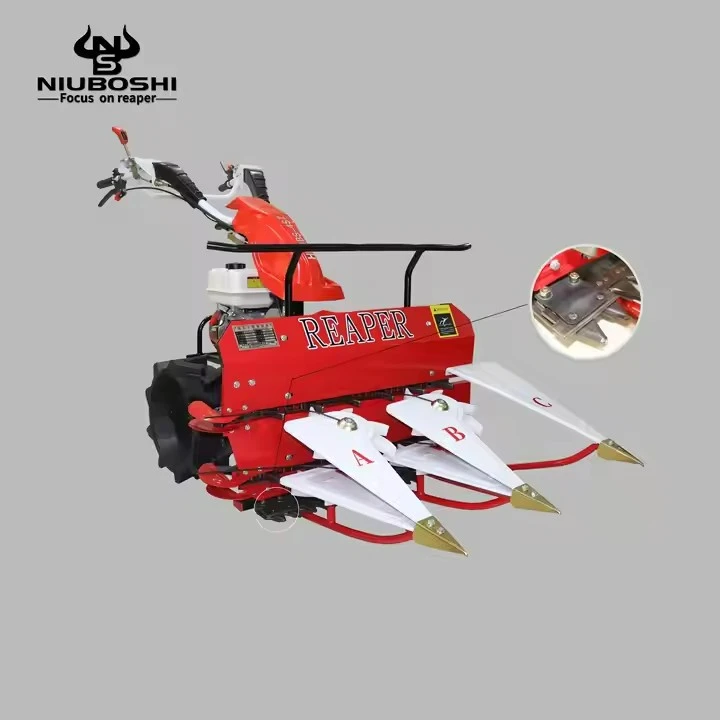
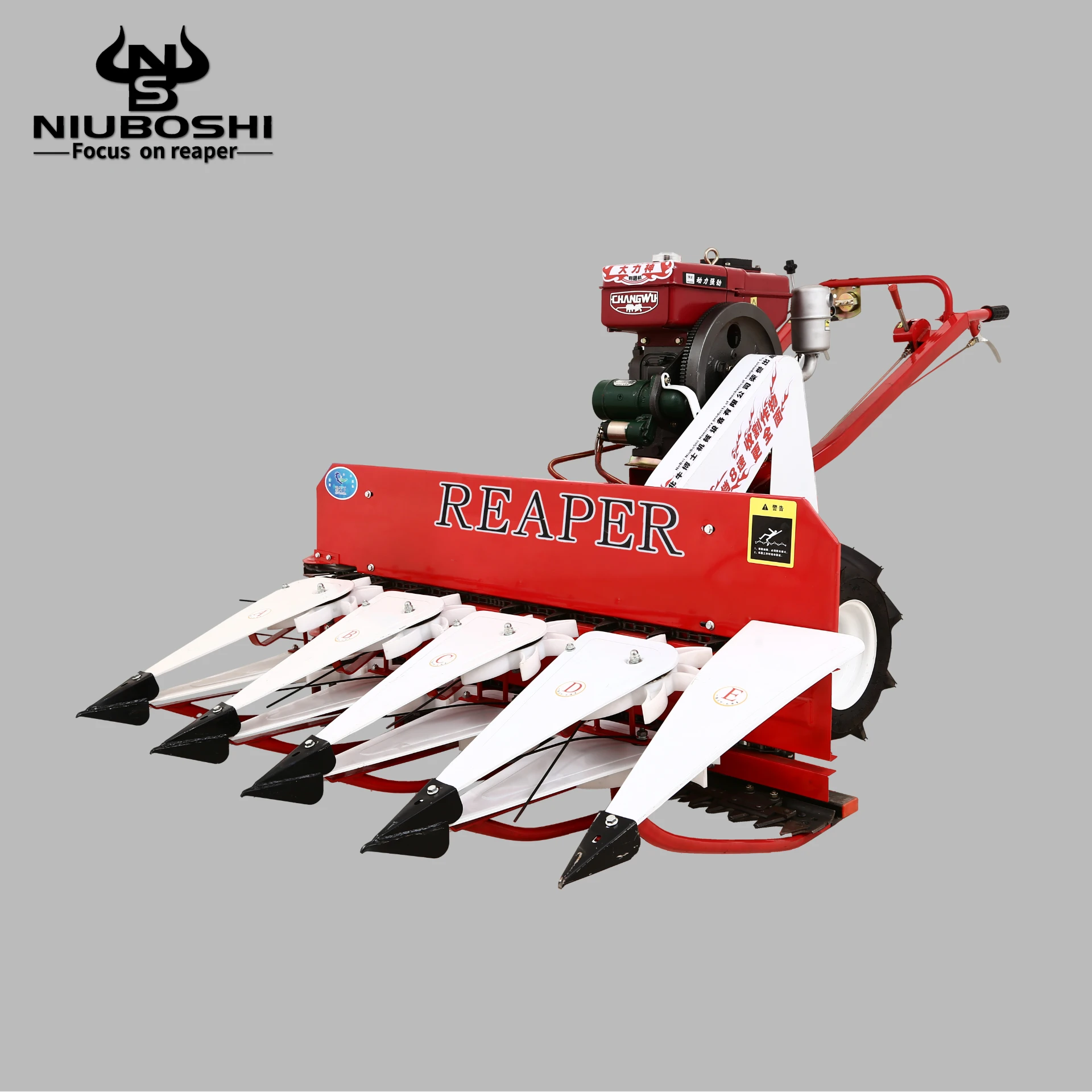
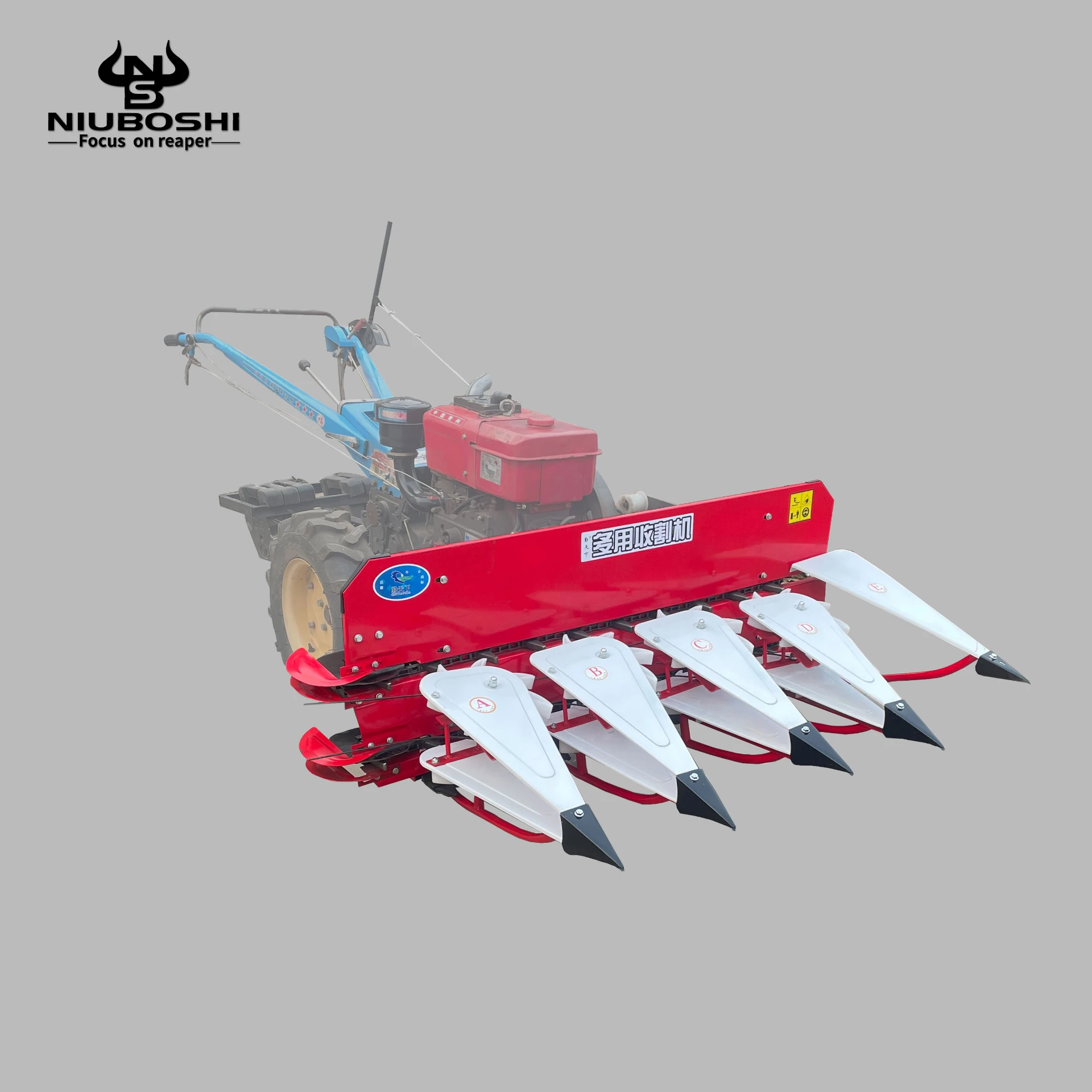
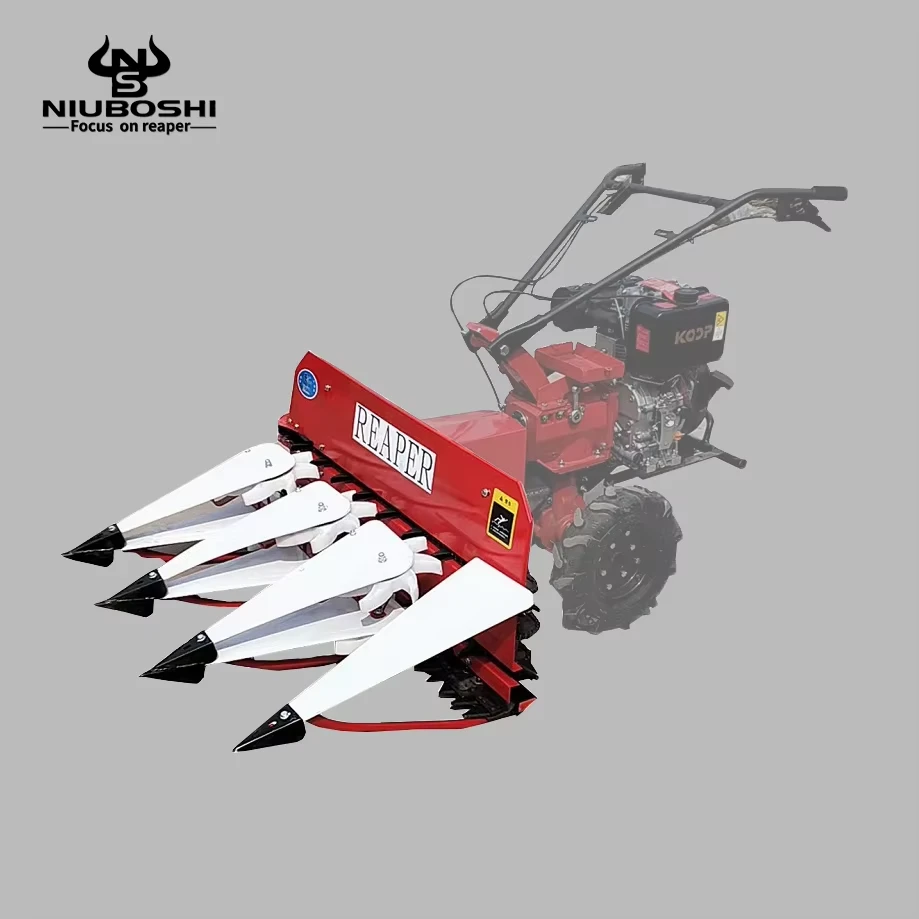
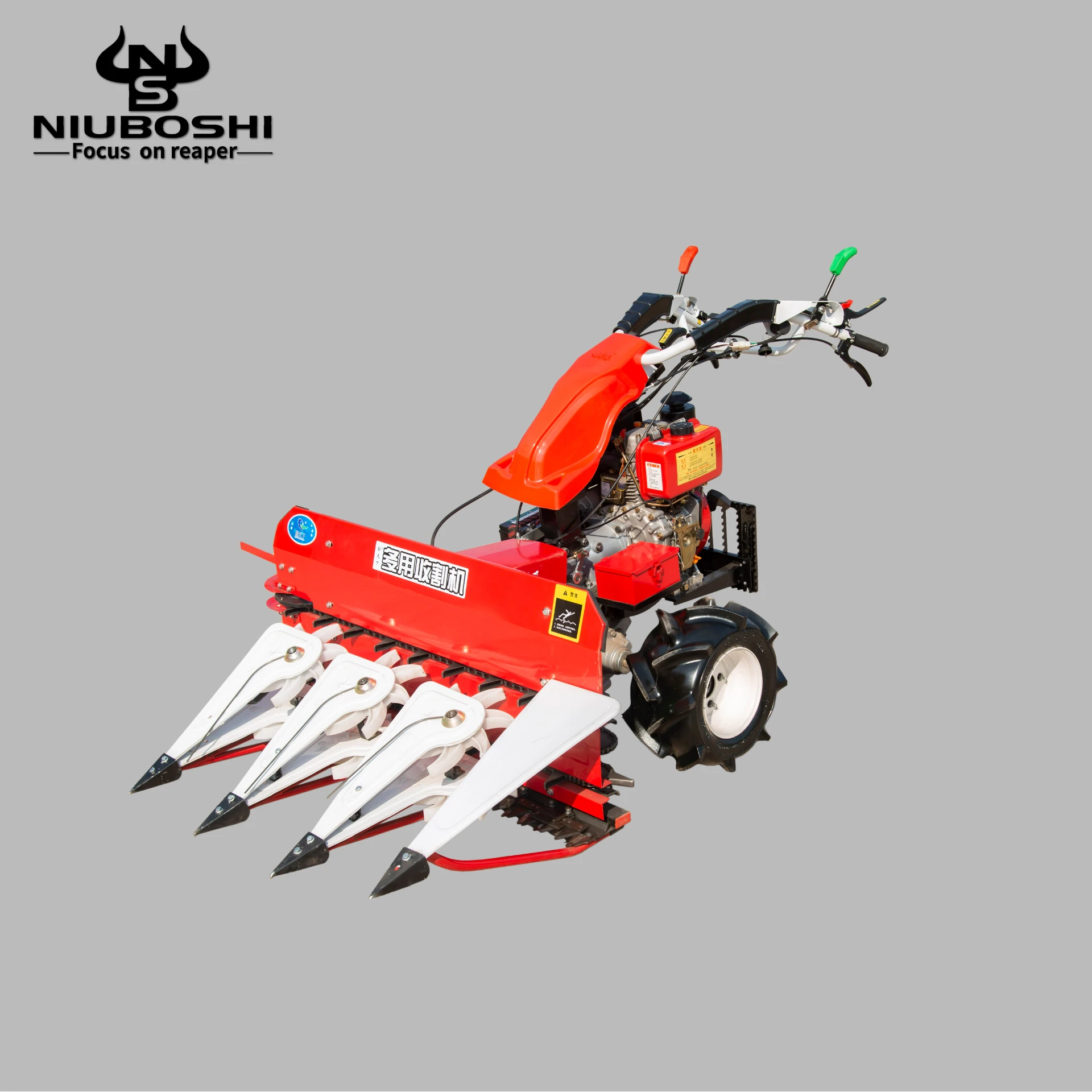
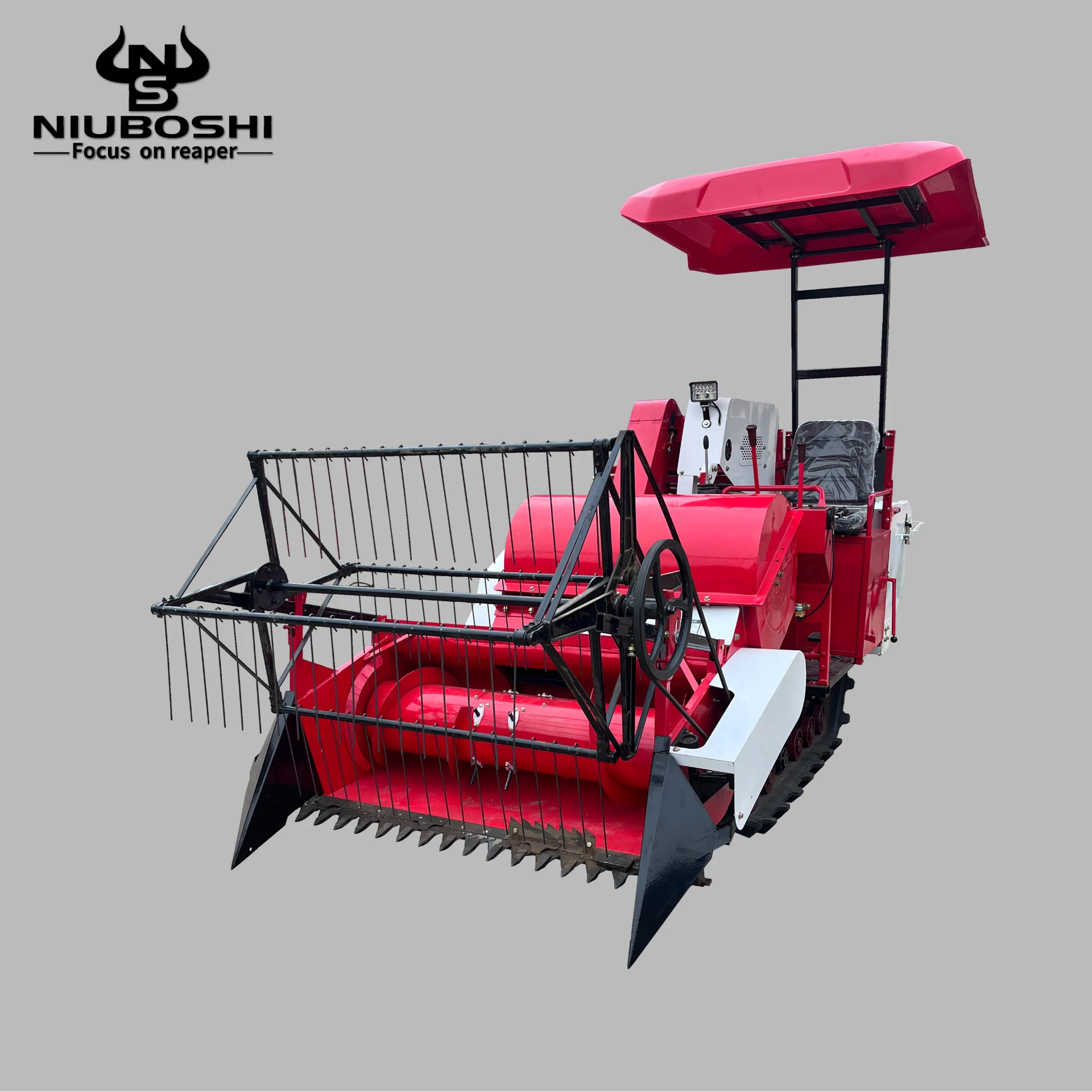
In simple terms, a small combine is a compact self-propelled harvester designed to cut, thresh, and separate grains like rice, wheat, corn, or barley—all in one pass, but optimized for smaller fields and difficult terrains. Unlike full-sized combines, these machines often weigh under 3 tons and work well on narrow or uneven land.
Their role links closely to modern agricultural industries aiming to scale sustainably and humanitarian efforts targeting food security. You can think of small combines as the “hands-on” tools that help farmers maximize yield with minimal labor and energy use.
Key Features of Small Combine Harvesters
1. Durability and Reliability
Small combines need to operate in demanding conditions—muddy fields, steep slopes, and dusty environments. Manufacturers engineer them with durable steel frames, weather-resistant engines, and tested threshing systems ensuring minimal downtime. This reliability matters a lot when farmers have tight harvest windows.
2. Scalability and Versatility
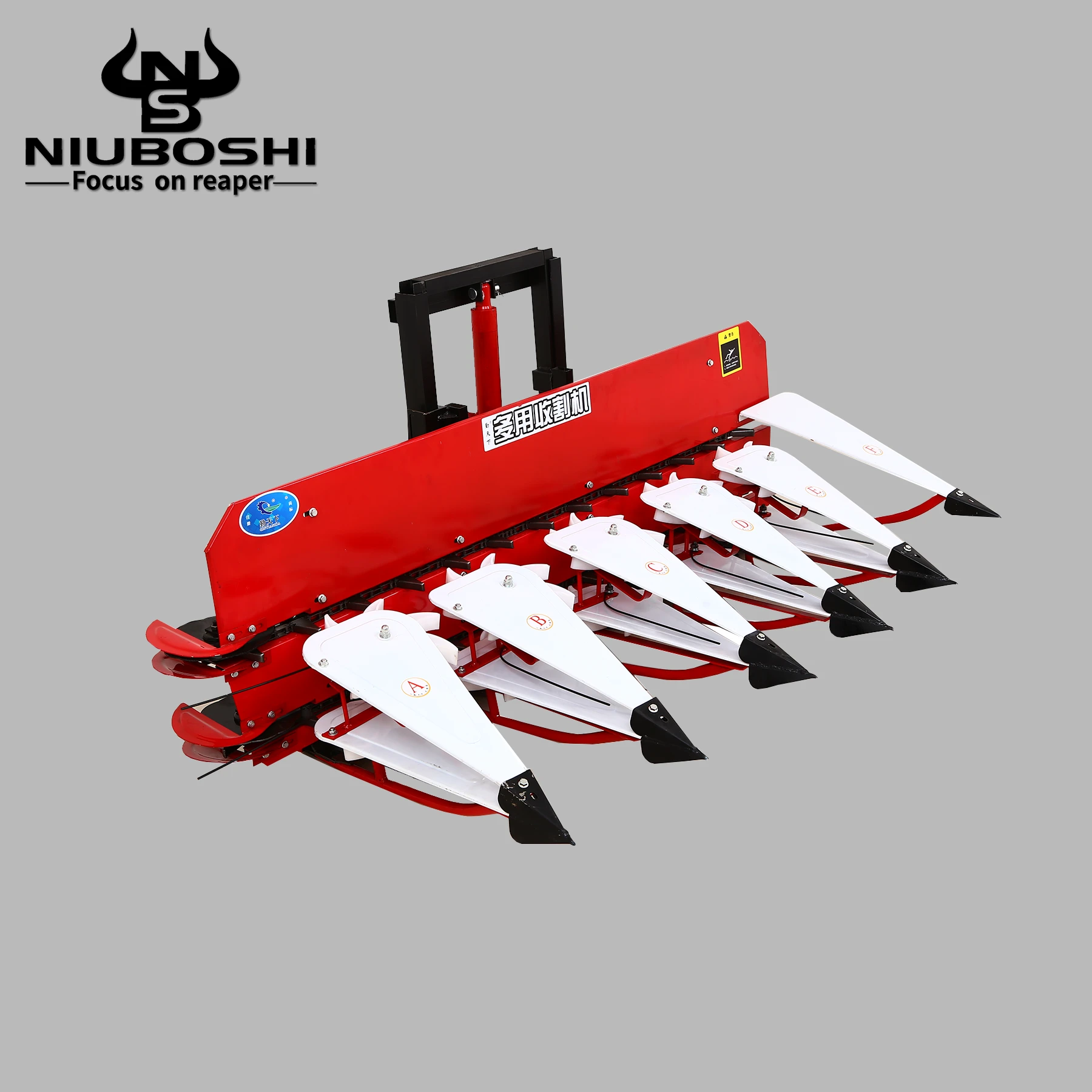
Many models come with adjustable headers and threshing drums, enabling harvesting of different crop types. Farmers can use the same machine for rice in the wet season and wheat or barley later. The compact footprint also means these machines fit on trailers for easy transport between farms.
3. Cost Efficiency
Upfront costs are significantly less than large combines, making them accessible for smallholder cooperatives or agri-entrepreneurs. Operating costs—fuel consumption and maintenance—also tend to be lower, improving farm profitability. Efficient fuel engines and locally serviceable parts help keep expenses manageable.
4. Ease of Operation and Safety
Modern small combines come with simple controls and user-friendly design. Even farmers with minimal mechanical experience learn to operate them quickly. Safety features like shields over threshing parts and rollover protection frames reduce injury risks during operation.
Typical Small Combine Specifications
| Specification | Details |
|---|---|
| Machine Weight | 1.8 – 3.0 Tons |
| Engine Power | 20 – 45 HP (diesel) |
| Cutting Width | 1.2 – 2.5 meters |
| Thresher Type | Axial flow or Rotary |
| Fuel Tank Capacity | 30 – 50 liters |
Global Applications and Use Cases
The versatility of small combines lends itself to diverse agricultural settings. In Asia—especially in the paddy fields of Vietnam and Bangladesh—small combines streamline rice harvesting, which traditionally was extremely labor-intensive. In Eastern Africa, NGOs deploy small combines in post-disaster zones to rapidly restore farmer livelihoods.
Oddly enough, even in developed countries like Japan, where limited farmland is fragmented into small plots, compact combines improve efficiency and reduce costs. Industrial plantations, small cooperative farms, and experimental organic farms also rely on small combines for tailored harvesting.
In one case study, a smallholder cooperative in Nepal reported a 25% reduction in labor costs and a 15% increase in harvest yield after switching to small combine harvesters. That’s the kind of measurable impact that shows the machines do far more than just “cut crop.”
Mini takeaway: From rice paddies to disaster zones, small combines can be the backbone of local food production.
Advantages & Long-Term Value of Small Combine Harvesters
- Cost Savings: Lower upfront and operational costs make these harvesters accessible to a wider range of farmers.
- Increased Productivity: Speed and mechanization cut harvest time drastically.
- Sustainability: Compact size means less soil compaction and fuel use, supporting eco-friendly farming practices.
- Social Impact: By mechanizing mono-crop harvests, laborers can transition to other value-adding farm activities.
- Trust and Innovation: Proven models backed by local service networks reduce downtime and increase reliability.
Future Trends and Innovations
Looking ahead, the small combine segment is evolving quickly. Integrating GPS-guided automatic steering, precision yield mapping, and IoT monitoring devices helps farmers optimize usage and maintenance. Manufacturers are also experimenting with small combine models powered by biofuels or electric drivetrains, a step toward greener mechanization.
More modular designs will enable easy switching of headers and add-on units, boosting versatility. Sustainability remains key—ISO and other bodies are pushing for machines with lower emissions and recyclable components.
Challenges & Solutions in Small Combine Adoption
Despite many advantages, small combines face hurdles. Financing remains a major bottleneck for individual smallholders. Limited local repair services and spare parts availability can cause frustrating downtimes. Sometimes, unfamiliarity with machine operation slows adoption.
To counter these, some manufacturers partner with microfinance institutions to offer lease-to-own programs. Training workshops help farmers and cooperatives. Digital platforms for remote diagnostics and parts ordering are becoming popular, smoothing maintenance logistics.
Vendor Comparison: Top Small Combine Harvesters
| Brand | Power (HP) | Cutting Width (m) | Price Range (USD) | Key Features |
|---|---|---|---|---|
| Kubota R 320 | 30 | 1.5 | $18,000–$22,000 | Fuel-efficient diesel, easy operation |
| Yanmar GC45 | 45 | 2.0 | $24,000–$28,000 | Axial flow threshing, low fuel consumption |
| Amity 180 | 20 | 1.2 | $12,000–$15,000 | Lightweight, simple maintenance |
Frequently Asked Questions About Small Combine Harvesters
- Q: How does a small combine improve harvest efficiency compared to manual methods?
- A: Small combines drastically reduce harvesting time by automating cutting, threshing, and cleaning in one pass. This lowers labor needs and minimizes grain losses common in manual harvesting.
- Q: Can small combines handle multiple crop types?
- A: Yes, many small combines are designed with adjustable headers and threshers to handle rice, wheat, barley, and even corn, depending on the model.
- Q: What is the typical lifespan of a small combine harvester?
- A: With proper maintenance, small combines can last between 8–12 years. Regular servicing and using quality fuel/oil help extend equipment life.
- Q: Are small combine harvesters environmentally friendly?
- A: Compared to older or larger models, smaller combines often consume less fuel and compact the soil less. Emerging models powered by biofuels or electricity promise even better sustainability.
Conclusion: Why Investing in Small Combine Makes Sense
Small combine harvesters blend affordability, versatility, and efficiency—an unbeatable combination for small-scale farmers facing ever-growing production pressures. They directly contribute to reducing food loss, improving livelihoods, and fostering more sustainable farming systems. If you’re exploring how to boost productivity or modernize harvest operations, a small combine might just be the game-changer you need.
For those interested, I recommend visiting our detailed product and solution page at small combine. There, you’ll find more resources and options tailored to your unique agricultural needs.
So, next harvest season, instead of watching precious crops go to waste, think small combine — it’s often the smartest big step forward.
References
Latest news
-
Maximize Harvest Efficiency with the Agro Reaper Binder MachineNewsApr.16,2026
-
Boost Harvest Efficiency with the Best Agriculture Reaper MachineNewsApr.09,2026
-
Revolutionizing Agriculture with the Efficient Agriculture Power ReaperNewsApr.07,2026
-
Comprehensive Guide to the 4 Wheel Reaper Binder for Efficient HarvestingNewsApr.04,2026
-
Comprehensive Guide to Reaperbinder Technology for Efficient Hay and Crop HarvestingNewsMar.31,2026
-
Mastering the Art of Reaper Cutting for Enhanced Agricultural EfficiencyNewsMar.28,2026