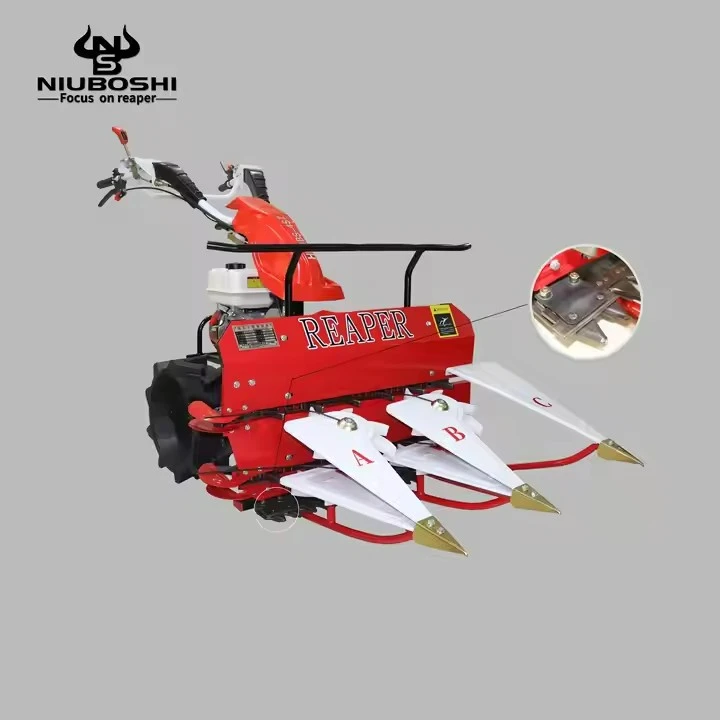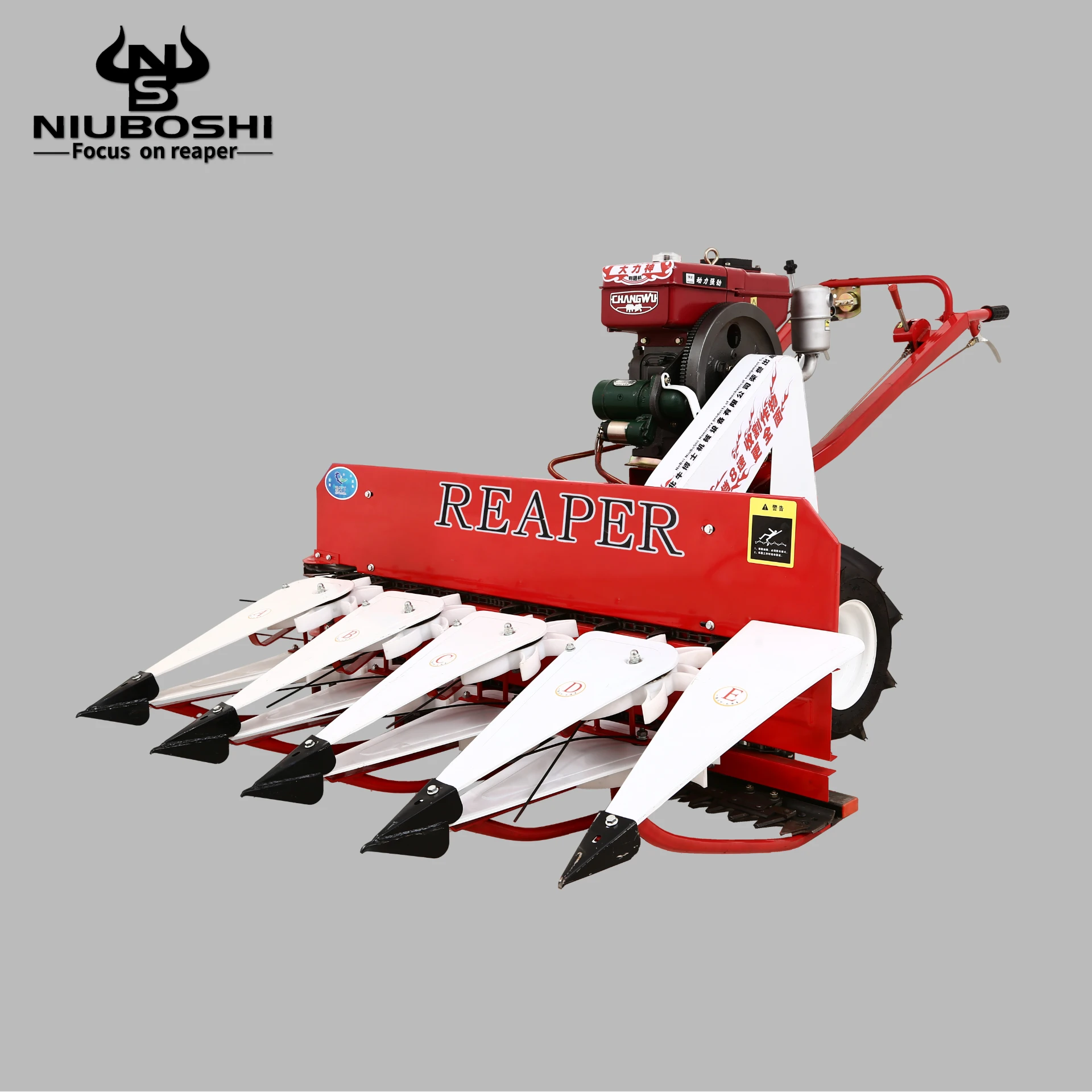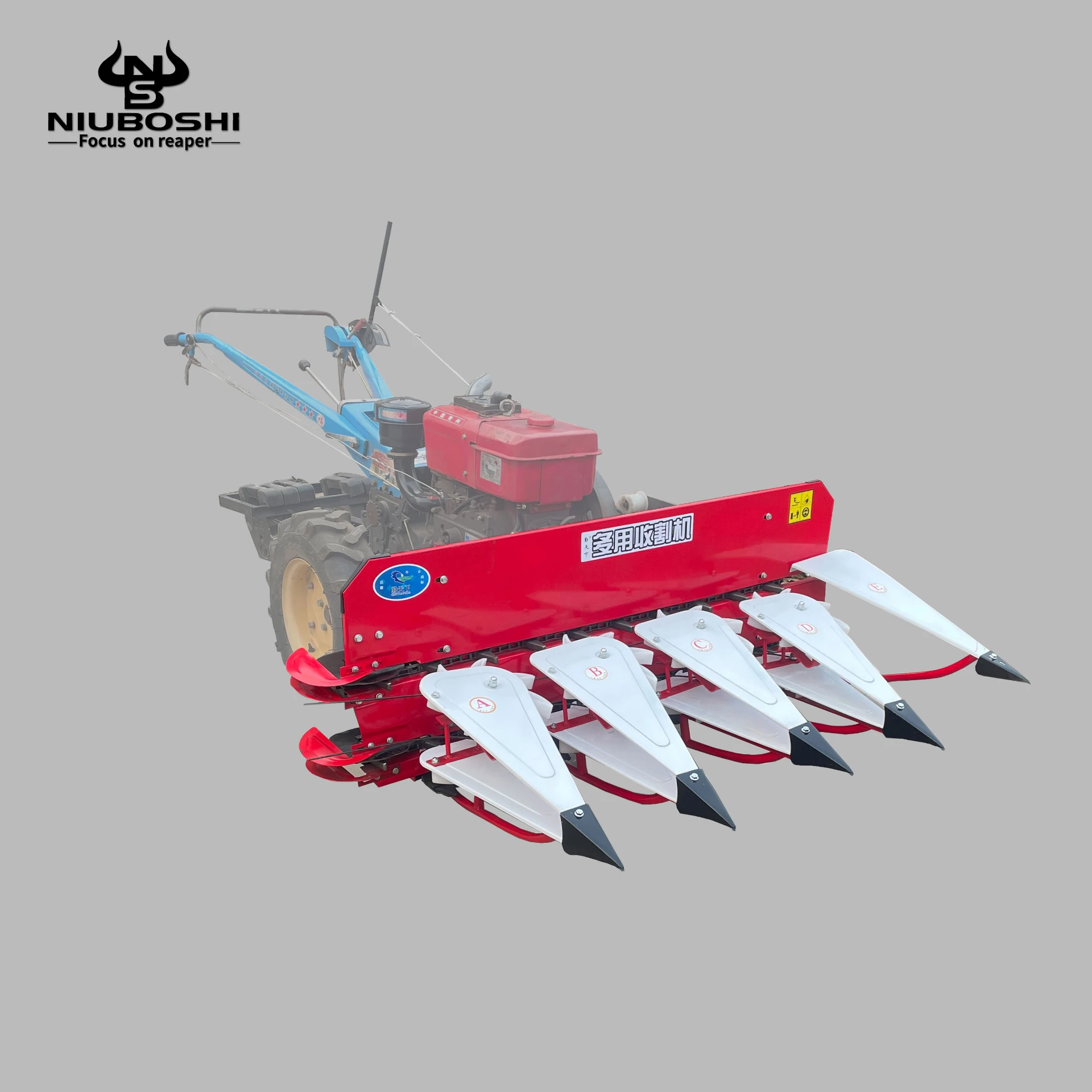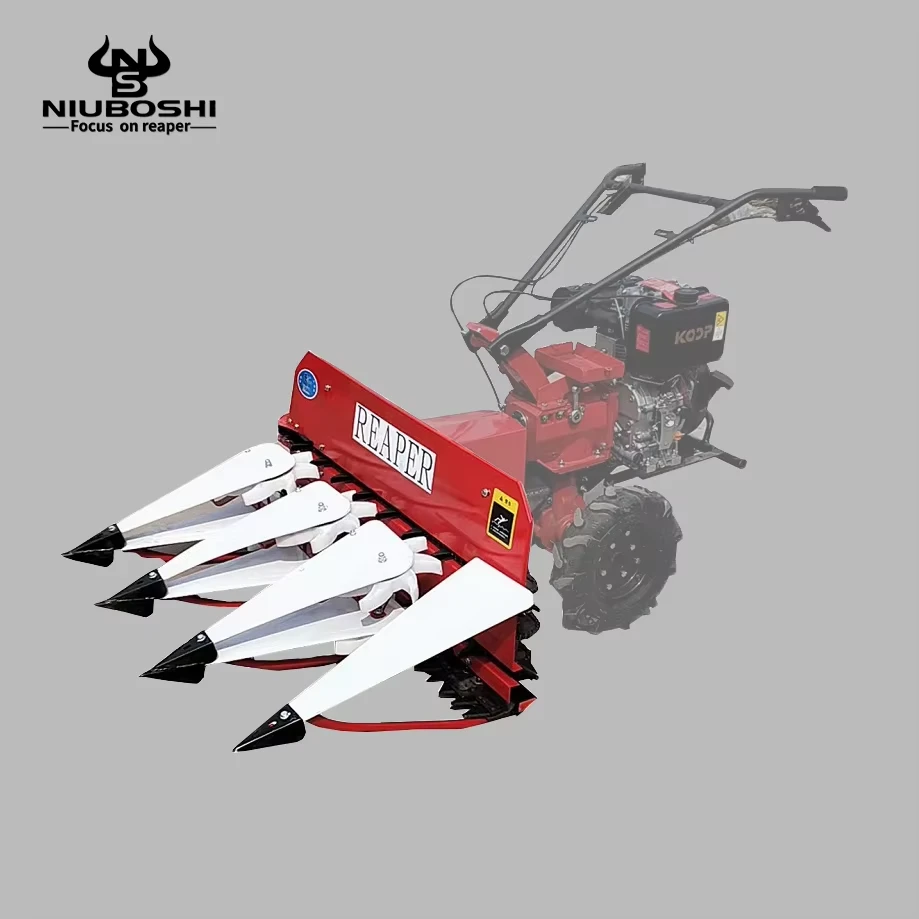
Mini Cotton Harvester – Compact Efficiency for Modern Farms
Why the mini cotton harvester Is Gaining Ground in Modern Farming
Having been in the industrial equipment sector for over a decade now, I've seen machines come and go. But among the various tools and harvesters, the mini cotton harvester is sort of carving its own path — especially for smaller farms or those with tricky terrain. It’s an odd mix of innovation and practicality that, frankly, surprised me at first.
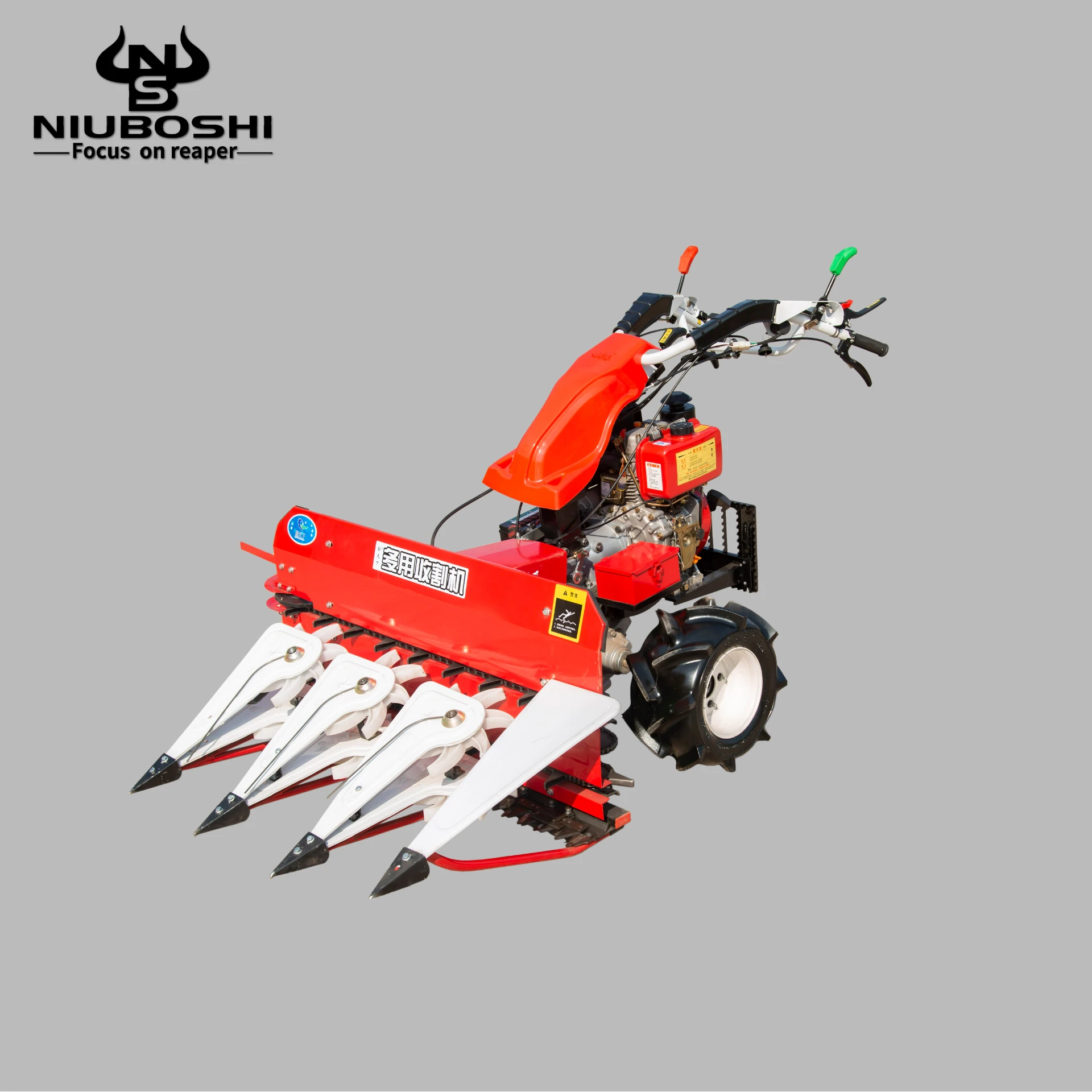
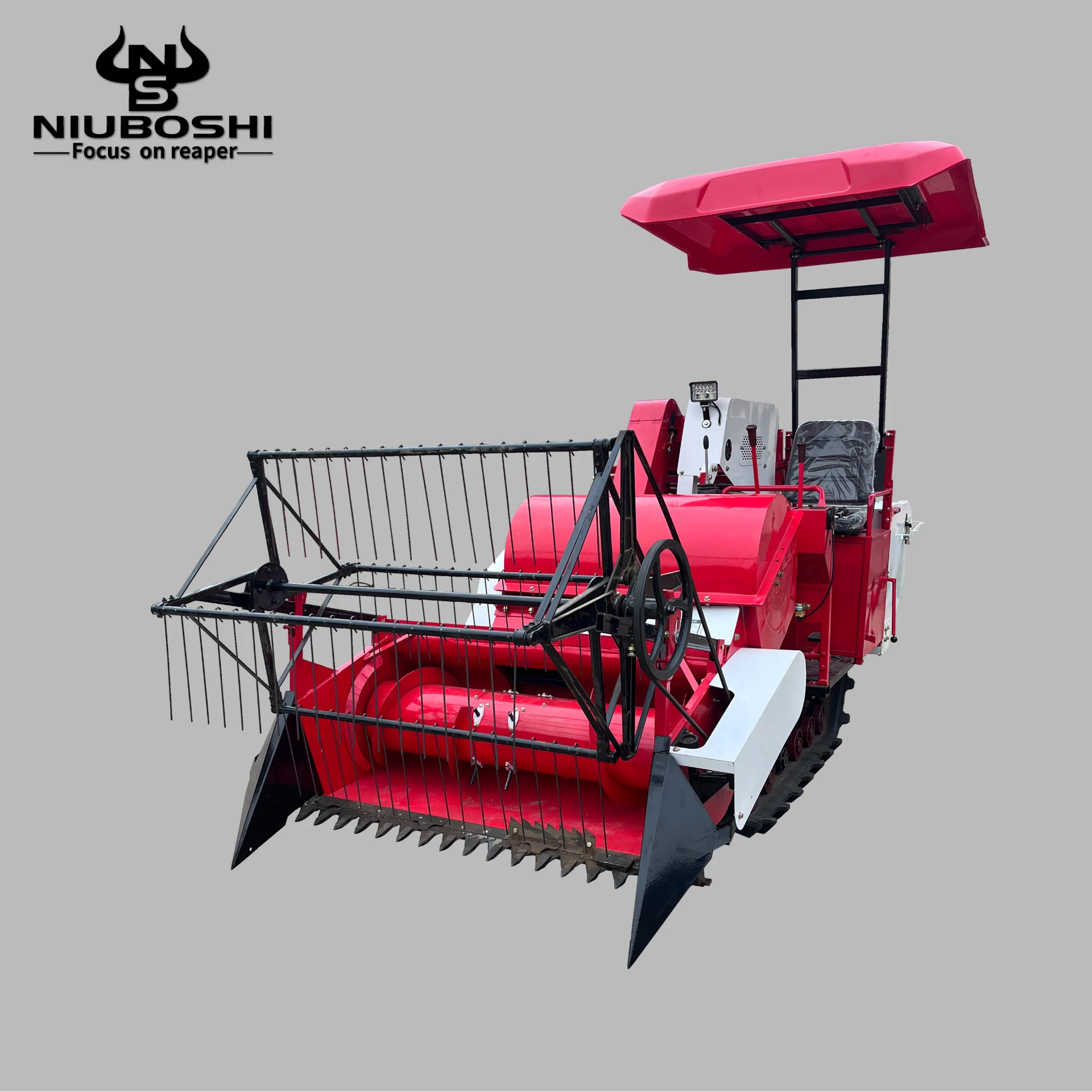
Back when I first encountered mini cotton harvesters, I thought, "Can something so compact really match up to the hefty machines we’re used to?" But it turns out, these compact harvesters are smarter than their size suggests. They’ve been specifically designed to optimize efficiency on fields that don’t justify larger machines or where maneuverability is key.
Let’s talk design for a moment. Modern mini cotton harvesters usually sport a lightweight yet durable chassis, mostly made from reinforced steel and composites to maintain balance between strength and portability. I remember attending a demo once where a version of this harvester was driven across a soft, uneven cotton field without a single hiccup — and the operator praised the machine’s agility.
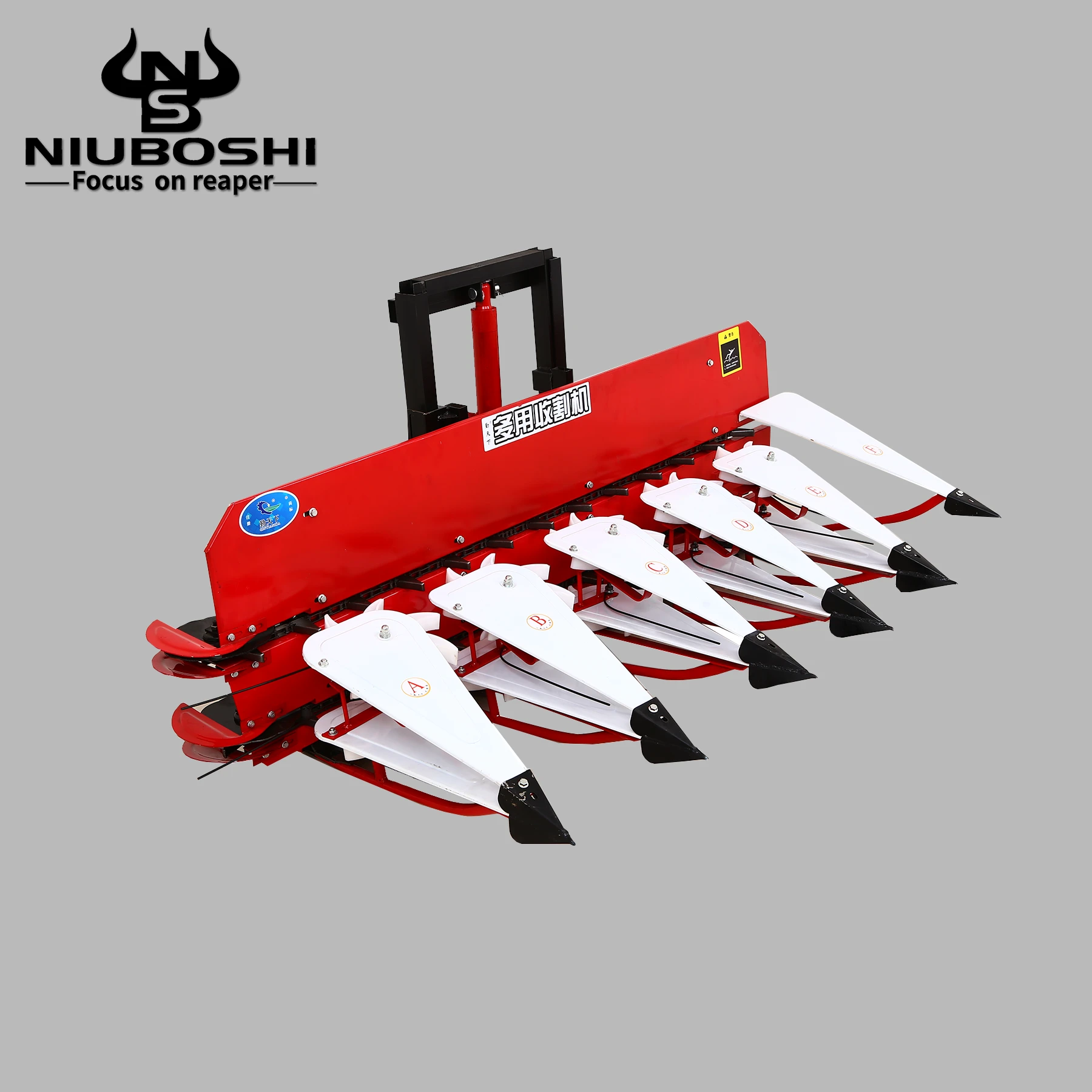
In terms of core specs, many engineers I chatted with highlight the precise picking mechanism and reduced crop damage, which is a big deal when cotton fibers are delicate. Plus, the fuel efficiency on these units tends to be noticeably better than larger harvesters, so in real terms, they offer a cost-friendly alternative without really compromising on output.
| Specification | Details |
|---|---|
| Engine Power | 12 HP Diesel Engine |
| Harvesting Width | 1.2 meters |
| Picking Efficiency | Up to 90% |
| Weight | 320 kg |
| Fuel Tank | 15 liters |
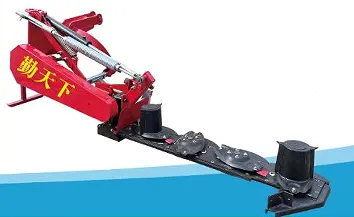
One interesting aspect is customization. Some manufacturers allow tweaking specs like engine type (diesel vs electric), harvesting width, or onboard sensors for cotton fiber quality monitoring. For operators like me, that flexibility means you can tailor the machine to your plot’s size and soil characteristics.
Of course, like any equipment, not all mini cotton harvesters are created equal. Prices vary, as do after-sales services — which can be a dealbreaker in this industry based on my experience. That’s why I put together a quick comparison of popular vendors to help anyone considering a purchase.
| Vendor | Price Range (USD) | Warranty | Support Availability |
|---|---|---|---|
| Niuboshi | $3,500 - $4,200 | 2 Years | Global Online & Local |
| HarvTech | $4,000 - $4,500 | 18 Months | Regional Only |
| CottonMaster | $3,800 - $4,300 | 1 Year | Limited |
I recall a small farmer from Texas who switched to a mini cotton harvester last season. He told me how he managed to harvest faster alone than with his old manual methods — and even saved on labor costs. That’s the kind of practical impact these machines make, especially when you’re juggling tight schedules.
In wrapping up, it’s clear that the mini cotton harvester isn’t just a gadget for small farms; it’s a compact powerhouse adapting to modern agricultural needs. If you’re considering adding one to your fleet, do prioritize vendors with solid support and customizable features — it helps avoid headaches down the line.
Oddly enough, the charm of these mini harvesters lies not only in their specs but in the stories they help create out in the fields.
Reflections: Efficiency, adaptability, and service quality shape the future of cotton harvesting, and mini harvesters occupy a proving ground where many innovations first take root.
- Industry interviews with agricultural engineers, 2023
- Field demonstration event notes, 2023
- Customer testimonials compiled from vendor websites
Latest news
-
Maximize Harvest Efficiency with the Agro Reaper Binder MachineNewsApr.16,2026
-
Boost Harvest Efficiency with the Best Agriculture Reaper MachineNewsApr.09,2026
-
Revolutionizing Agriculture with the Efficient Agriculture Power ReaperNewsApr.07,2026
-
Comprehensive Guide to the 4 Wheel Reaper Binder for Efficient HarvestingNewsApr.04,2026
-
Comprehensive Guide to Reaperbinder Technology for Efficient Hay and Crop HarvestingNewsMar.31,2026
-
Mastering the Art of Reaper Cutting for Enhanced Agricultural EfficiencyNewsMar.28,2026