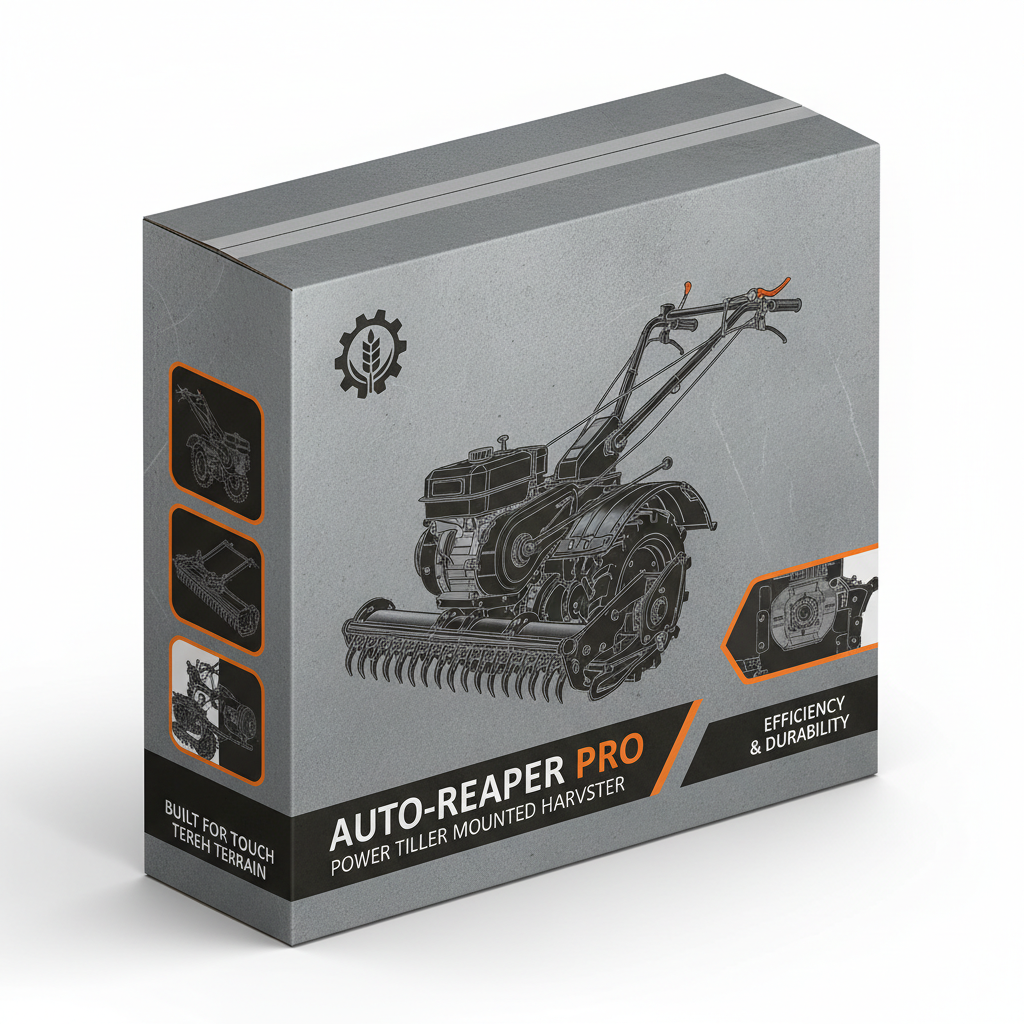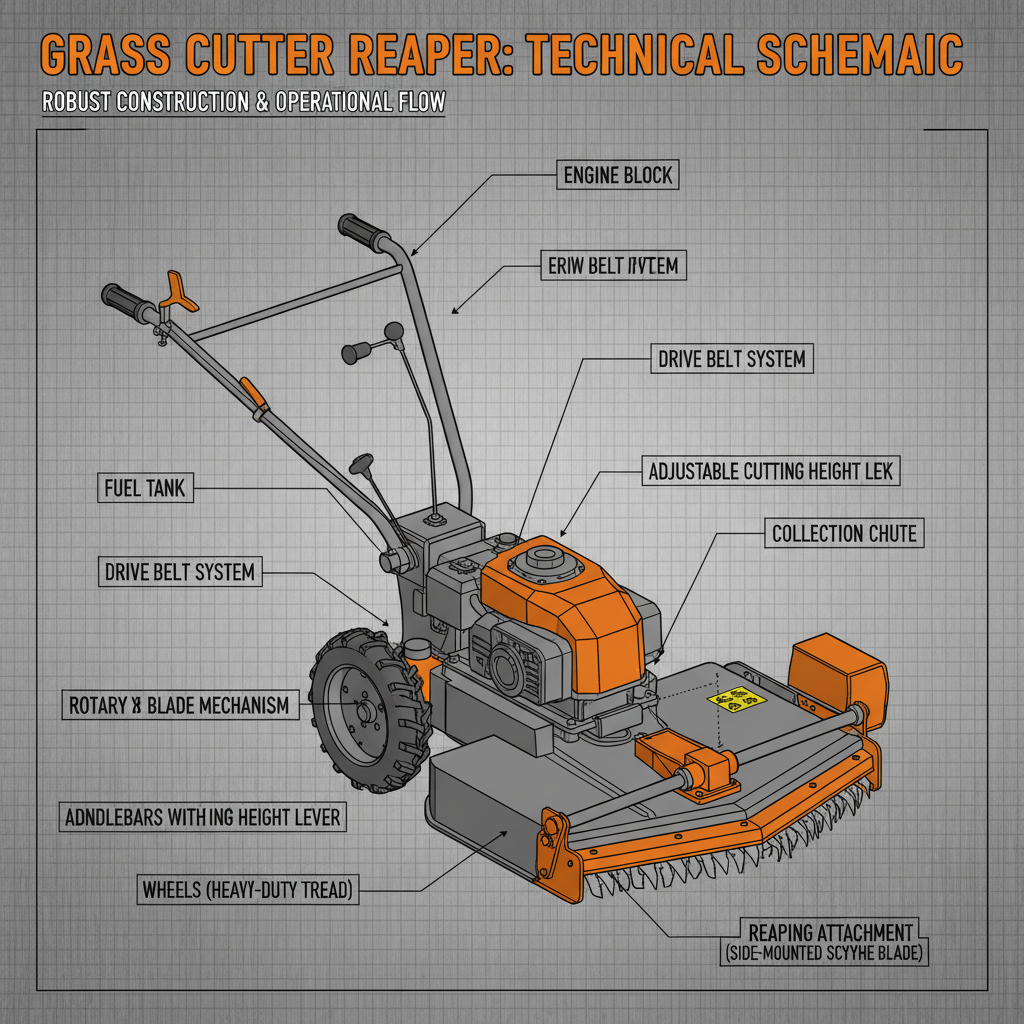
When evaluating the manual paddy reaper price, agricultural operators must look beyond the initial purchase cost to understand the long-term value of mechanized harvesting. In the specialized field of crop harvesting machinery manufacturing, the shift from purely manual labor to semi-automated or micro-cultivator assisted reaping represents a critical transition for small-scale farms seeking to maintain viability.
The primary challenge for many farmers is balancing the need for efficiency with a limited capital budget. Choosing a harvesting solution involves weighing the speed of harvest against the operational costs, maintenance requirements, and the specific topography of the paddy field, where oversized machinery often fails to perform.
This analysis provides a comprehensive framework for understanding the cost drivers of paddy reaping equipment, the technical specifications that influence price, and a practical guide for selecting the right harvesting head to maximize return on investment in diverse agricultural environments.

Understanding the Cost Structure of Paddy Reapers

The manual paddy reaper price is rarely a static figure; it is the result of several integrated cost components including material grade, engineering precision, and the level of automation. In the agricultural machinery industry, pricing typically splits between the chassis or power source (such as a micro-cultivator) and the specialized cutting attachment.
For instance, high-efficiency attachments like the GW100C2 cutting head integrate specific engineering for right-side tiling discharge, which adds value by streamlining the collection process. When calculating total cost, buyers must consider if they are purchasing a standalone cutting head or a full integrated system, as the power requirements (typically between 4 to 9 HP for micro-cultivators) will dictate the primary investment.
Technical Factors Influencing Equipment Pricing
The price of reaping equipment is heavily influenced by the working width and the precision of the cutting mechanism. A wider cutting table, such as a 100 cm width, allows for greater area coverage per hour, which typically commands a higher price point but reduces the cost per acre harvested.
Another significant technical driver is the adjustability of the stubble height. Equipment that allows for precise adjustment, such as reducing stubble to 3 cm, is more valuable for soil conservation and subsequent crop growth cycles. These precision adjustments require higher manufacturing tolerances and more durable components, reflecting in the final market price.
Matching Reaper Configurations to Crop Types
Different crops require different cutting dynamics, which in turn affects the type of machinery required. While some reapers are specialized for rice, versatile systems are designed to handle pepper, wheat, prunella, and mint. The ability of a single piece of equipment to adapt to multiple crop types increases its utility and justify a higher initial investment.
In hilly areas or specialized herbal medicine planting, the need for compact, maneuverable machinery is paramount. Solutions designed for these environments must balance a lightweight frame (e.g., a net weight around 70 kg) with a robust cutting system to ensure that performance is not sacrificed for portability.
Operational Efficiency and Relative ROI
To justify the manual paddy reaper price, one must analyze the harvesting efficiency. The transition from manual hand-reaping to using a cutting head like the GW100C2 can increase efficiency to between 2.5 and 5.5 acres per hour, significantly reducing the labor hours required for the same yield.
The conceptual data above illustrates the relative efficiency gains when moving from traditional manual methods to micro-cultivator assisted harvesting. As the operational scale increases, the relative cost of the machinery decreases when measured against the labor savings and time-to-market improvements.
Evaluating Long-term Maintenance Expenses
A low initial purchase price can be misleading if the equipment requires frequent, expensive repairs. Trustworthy machinery is characterized by a simplified maintenance routine, where basic cleaning and periodic sharpening of the cutting blades are sufficient to maintain stable performance over several seasons.
When reviewing specifications, buyers should look for ease of installation and adjustability. Equipment that can be quickly attached to a variety of 4-9 HP micro-cultivators reduces the need for expensive custom modifications and allows for flexible deployment across different field sizes.
Common Procurement Pitfalls for Small Farms
Many buyers make the mistake of purchasing machinery that is either too large for their terrain or lacks the versatility to handle their specific crop mix. This leads to underutilization of the asset, effectively increasing the cost per hour of use.
Another common error is neglecting the logistics of transportation and storage. For example, understanding the packing dimensions (such as 1457065 cm) and the container capacity (up to 200 units in a 40-foot high cabinet) is essential for those importing equipment in bulk to ensure that shipping costs do not negate the price advantage of the manufacturer.
Harvesting Solution Decision Framework
Selecting the right harvester requires a structured comparison of available technology types. Whether choosing a simple cutting head for a micro-cultivator or a more complex self-propelled system, the decision should be based on the specific needs of the crop and the available power source.
| Solution Type | Primary Driver | Best Application | Cost Consideration |
|---|---|---|---|
| Cutting Head Attachment | Micro-cultivator | Small/Diverse Plots | Low Initial Investment |
| Self-Propelled Reaper | Internal Engine | Medium Scale Paddy | Moderate Capital Outlay |
| Small Combine | Integrated System | High Volume Grain | High Initial Investment |
| Tractor Cutting Table | Standard Tractor | Large Open Fields | Scale-Dependent Cost |
| Disc Mower System | PTO Drive | Grass/Forage Crops | Specialized Utility Cost |
| Manual Hand Tools | Human Labor | Very Small Plots | High Operational Labor Cost |
This framework demonstrates that while a cutting head attachment typically offers the most accessible entry price, the total cost of ownership depends on the efficiency gains achieved relative to the labor costs of the specific region.
Frequently Asked Questions
The price is primarily influenced by the working width, the quality of the cutting materials, the adjustability of the stubble height, and whether the unit is a standalone attachment or part of a complete system.
Yes, versatile models like the GW100C2 are designed for a wide range of crops including rice, wheat, pepper, and various medicinal herbs like mint and prunella.
Most micro-cultivator cutter heads are designed to be compatible with power sources ranging from 4 to 9 HP, providing flexibility for different field sizes.
Precision adjustability (e.g., down to 3 cm) requires more complex mechanical linkages and higher-quality components, which generally increases the manufacturing cost but improves soil conservation.
Depending on the field conditions and operator speed, efficiency typically ranges from 2.5 to 5.5 acres per hour, significantly outperforming manual labor.
Evaluate based on their R&D capabilities, the variety of models offered (e.g., the 60+ models from Hebei Niuboshi), and their ability to customize equipment for specific crop requirements.
Conclusion
The manual paddy reaper price is a reflection of the equipment's ability to reduce labor costs and increase harvesting speed. By focusing on technical specifications such as working width, power compatibility, and crop versatility, farmers can move from a cost-centric purchasing mindset to a value-centric investment strategy that ensures long-term productivity.
For those seeking reliable harvesting solutions tailored to small-scale or diverse agricultural needs, reviewing the technical capabilities and product range at www.hbniuboshi.com can provide the necessary data to make an informed procurement decision.