The Comprehensive Guide to Optimizing Land Management with a Grass Reaper Machine
The Ultimate Guide to the Grass Reaper Machine
In the realm of agricultural efficiency, the grass reaper machine stands as a transformative tool for farmers and land managers. This machine offers a significant advancement over traditional methods of grass cutting, offering increased productivity, reduced labor costs, and improved efficiency. Whether you're maintaining pastures, harvesting forage crops, or managing roadside vegetation, understanding the benefits and features of a grass reaper machine is crucial. This article will delve into the world of these machines, exploring their functionalities, applications, and the factors to consider when making a purchase.
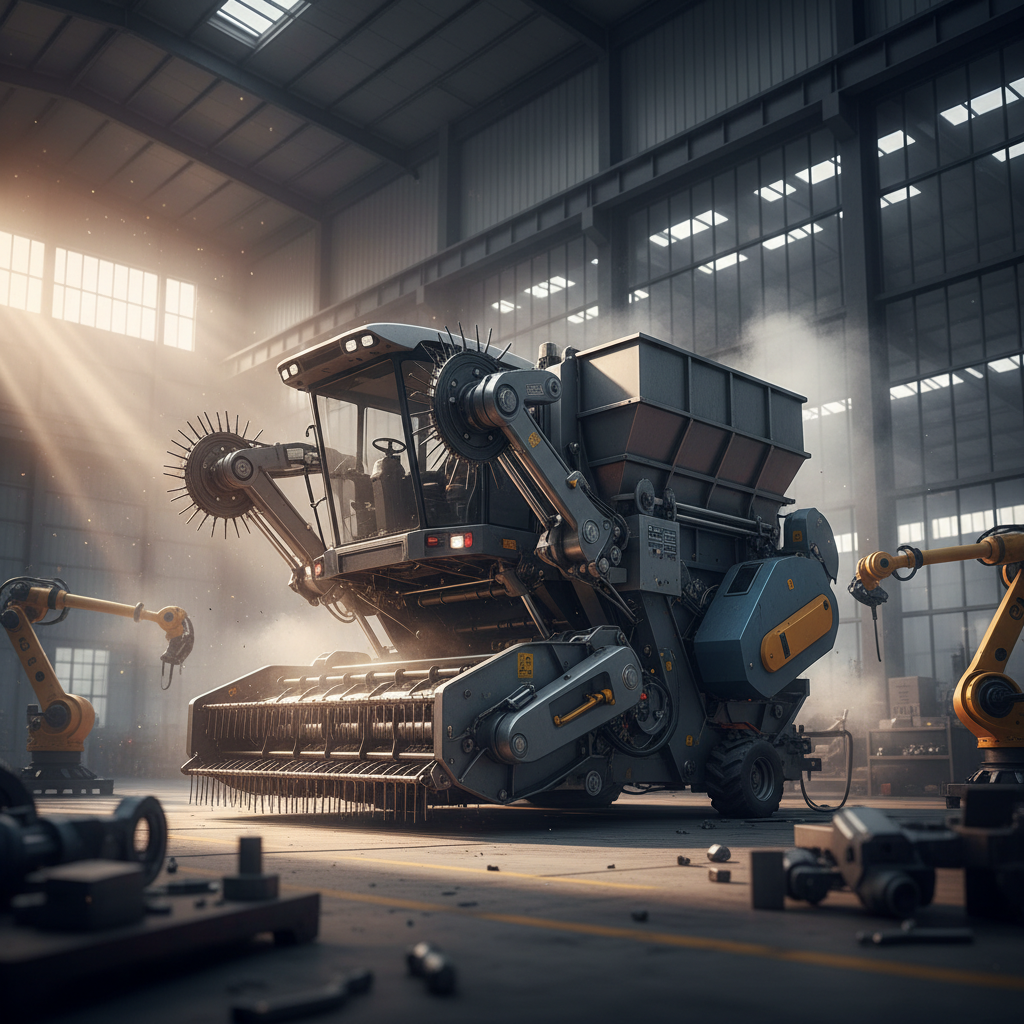
Understanding the Functionality of a Grass Reaper Machine
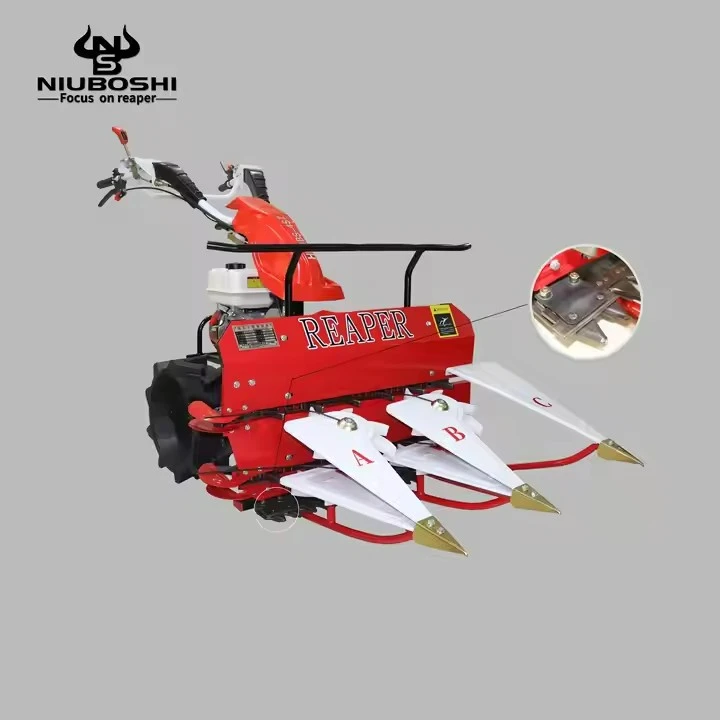
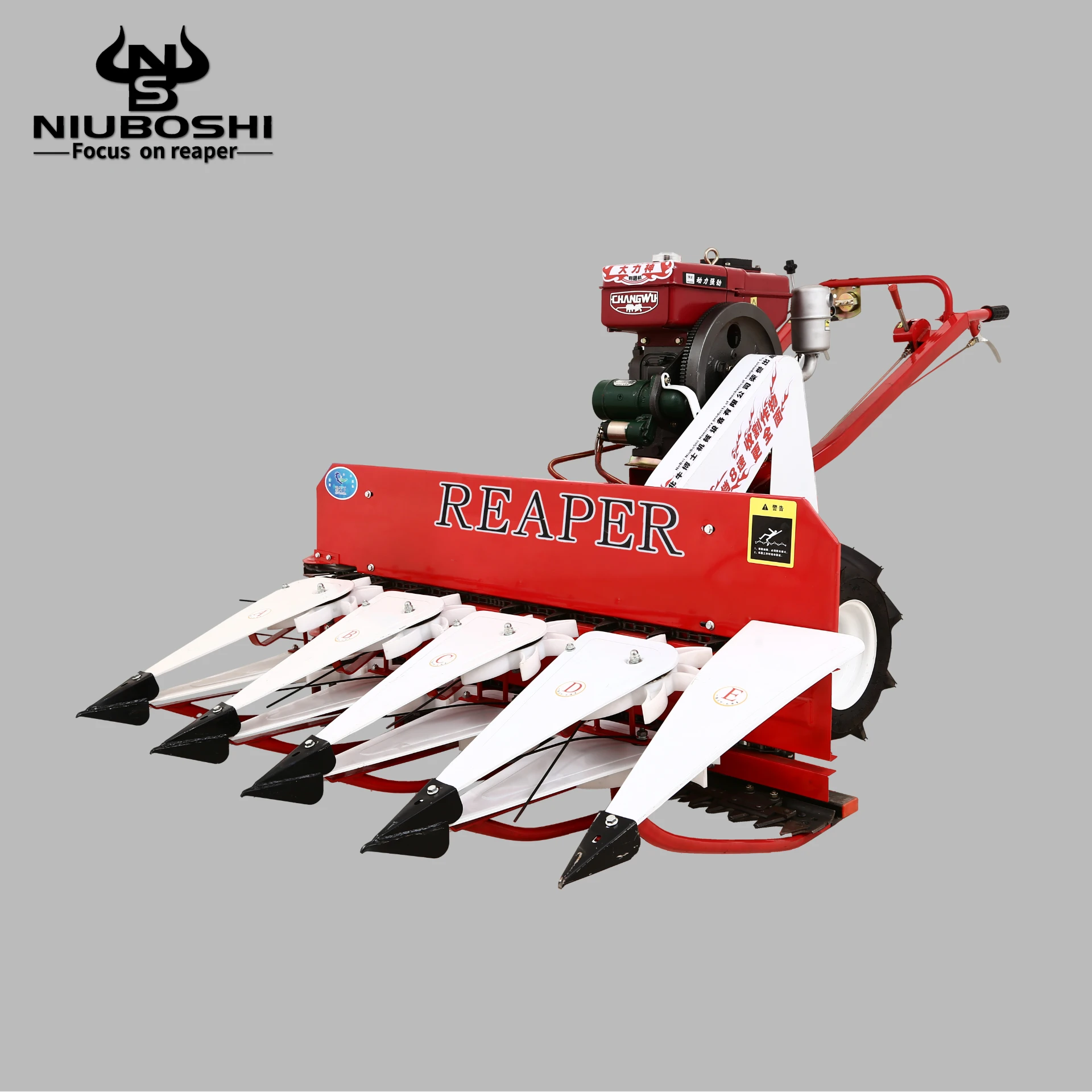
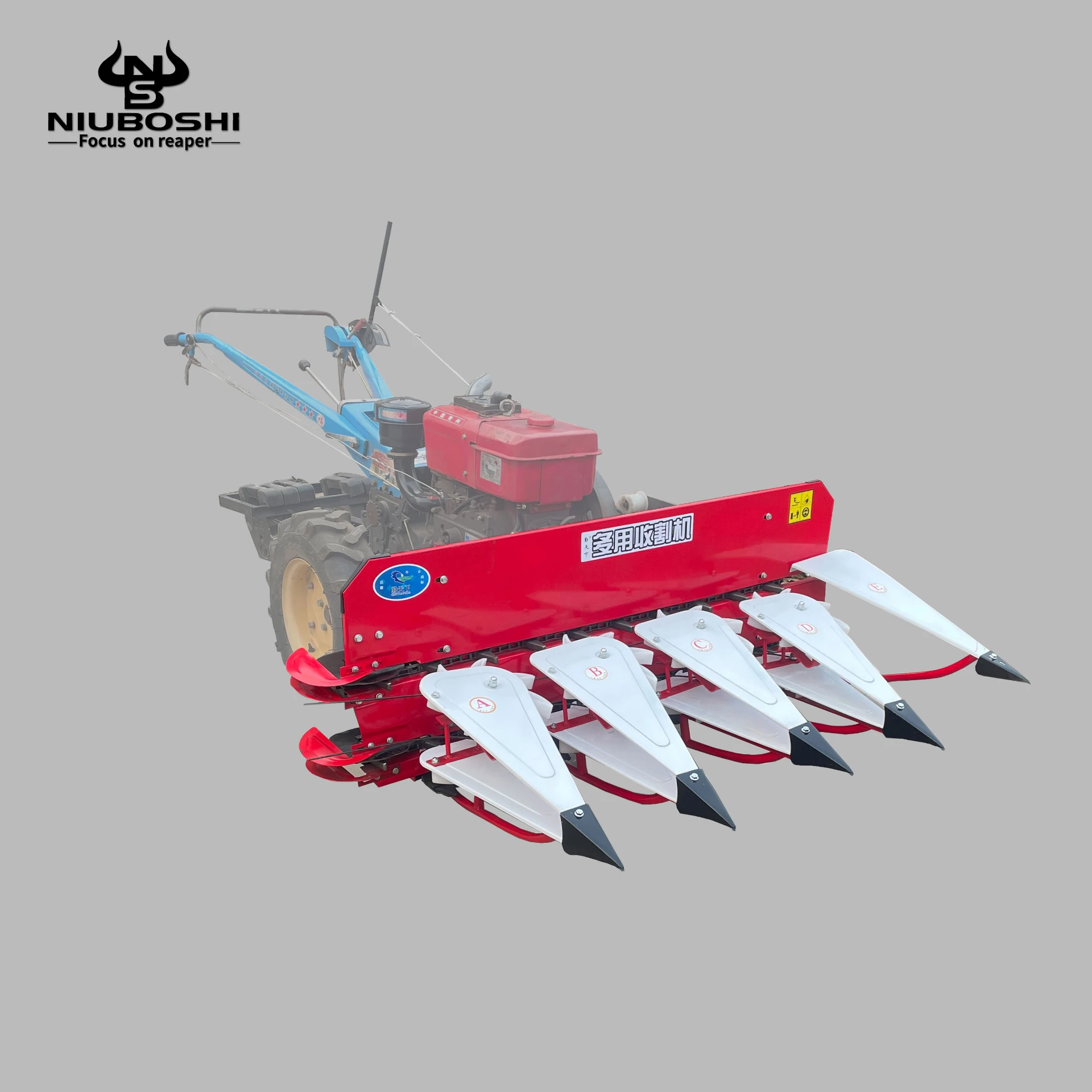
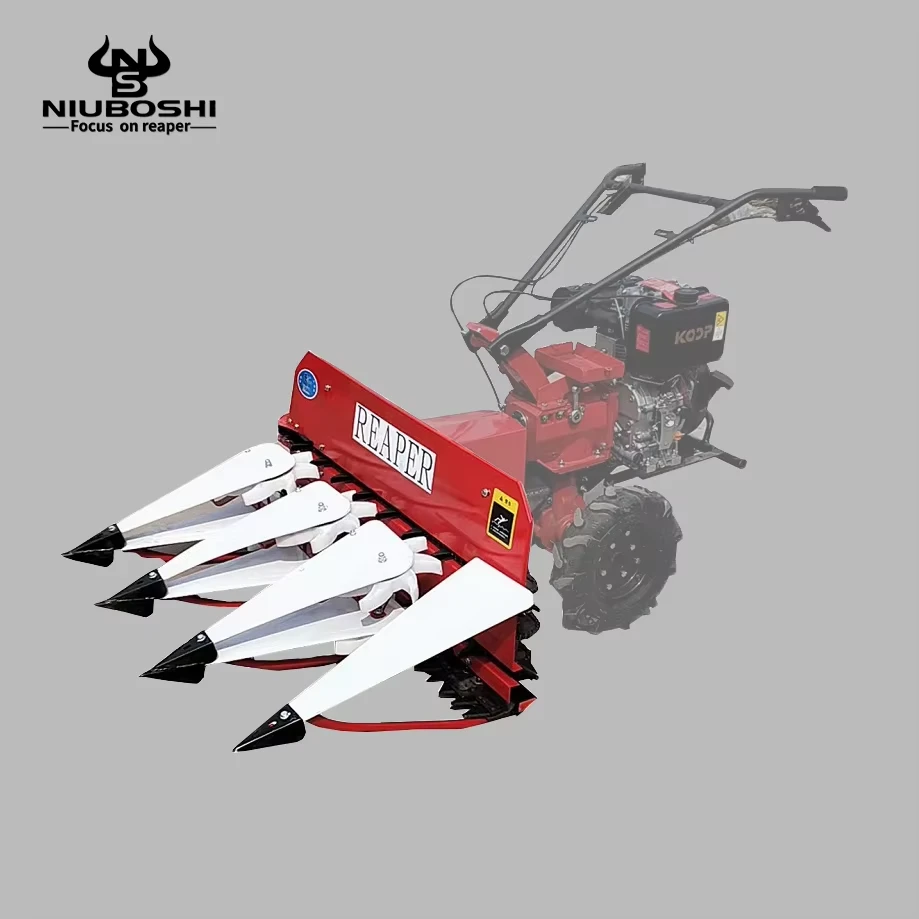
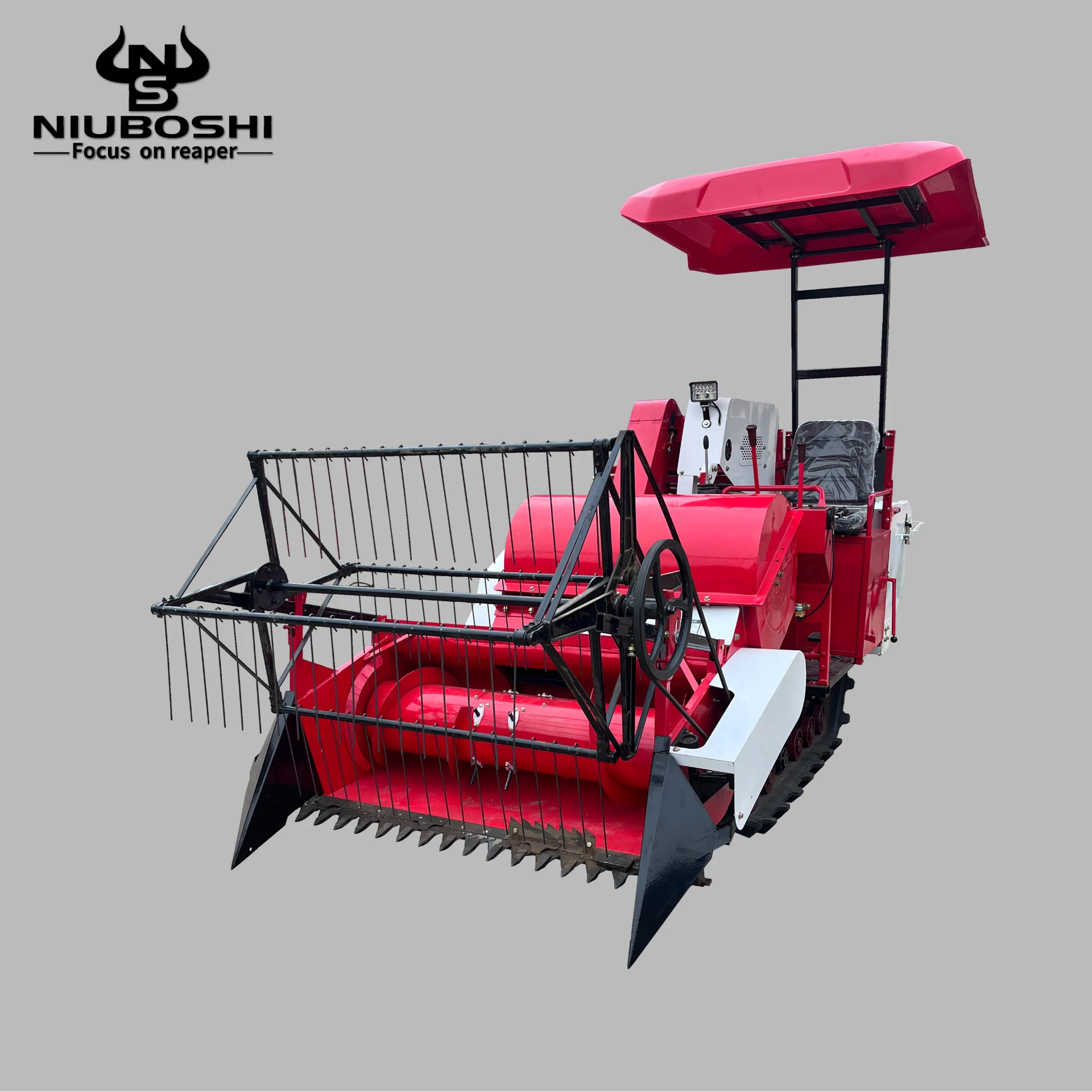
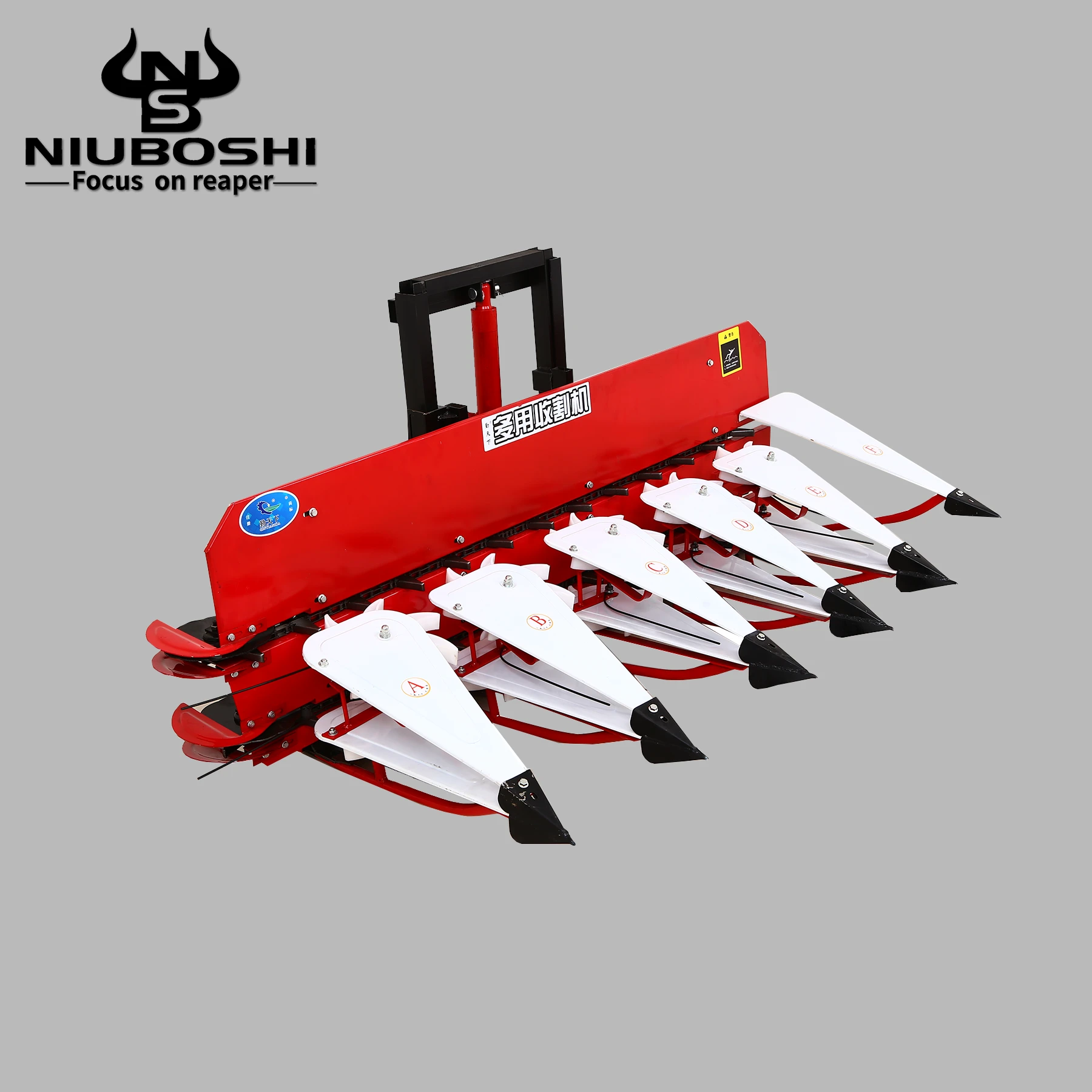
A grass reaper machine, sometimes referred to as a forage harvester, is designed to efficiently cut and gather various types of grasses and forage crops. Unlike traditional scythes or manual methods, these machines utilize powered blades to swiftly cut the vegetation. Many models include mechanisms for windrowing – neatly arranging the cut grass into rows for easier collection and drying. The key components typically include a cutting mechanism, a conveying system, and a discharge point. The power source can range from gasoline engines to diesel engines, and even electric options are emerging, offering versatility to suit various farming operations.
Key Benefits: Increased efficiency, reduced labor costs, improved crop quality, and faster harvesting times.
Types of Grass Reaper Machines: Choosing the Right Model
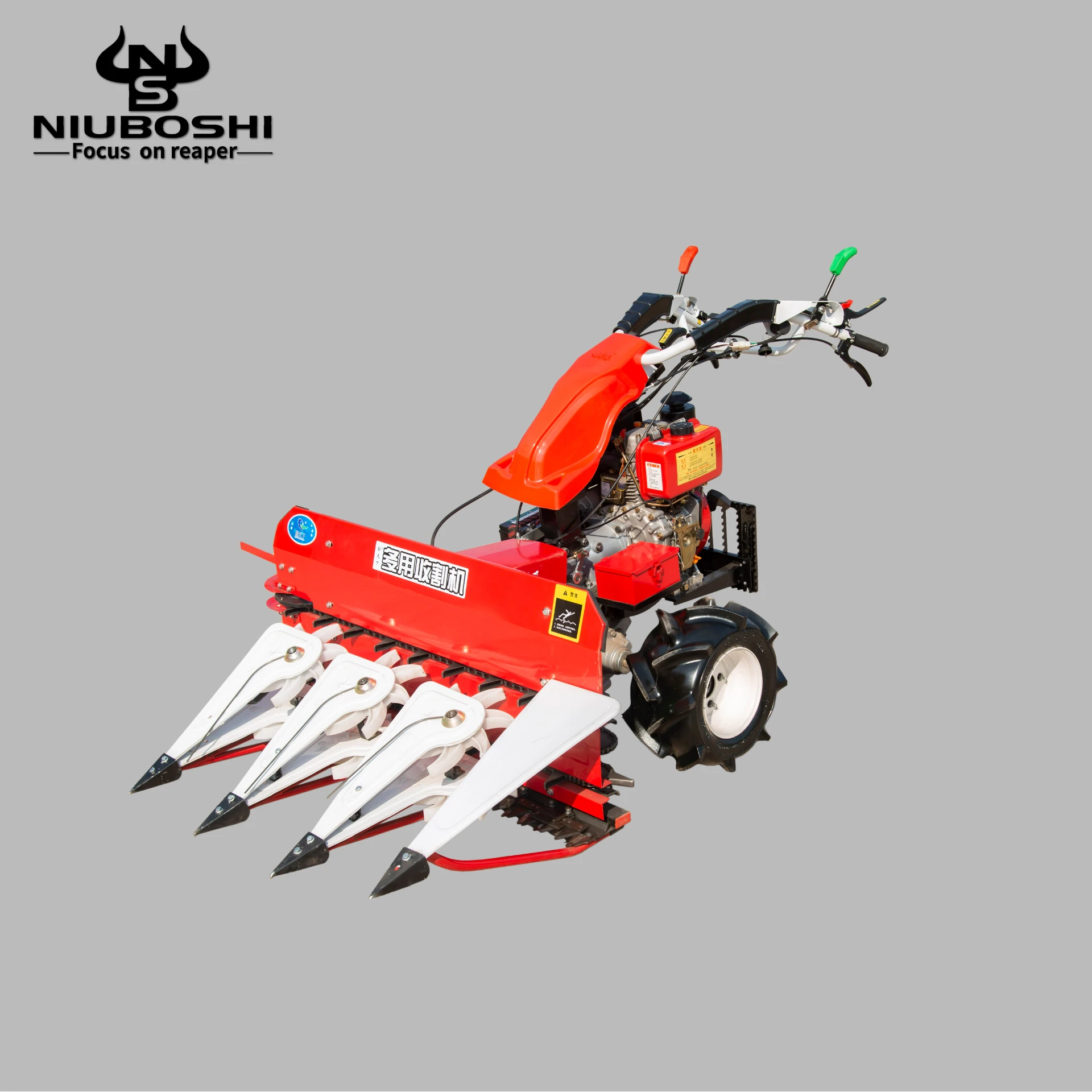
The market offers a variety of grass reaper machines, each designed for specific needs. Self-propelled models provide maximum maneuverability and are ideal for large fields. Tractor-mounted models offer cost-effectiveness, utilizing the power of an existing tractor. Walk-behind reapers are suitable for smaller areas or farms with limited resources. There are also specialized models designed for specific crops, such as alfalfa or hay. The choice depends on the size of the operation, the type of terrain, and the budget available.
Key Machine Types:
• Self-Propelled Grass Reaper
• Tractor-Mounted Grass Reaper
• Walk-Behind Grass Reaper
• Specialized Crop Reapers
Grass Reaper Machine: A Comparison with Traditional Methods
Compared to traditional methods like manual scything or using animal-drawn implements, a grass reaper machine offers significant advantages. Manual scything is labor-intensive and time-consuming. Animal-drawn methods are slow and require the care and feeding of animals. A grass reaper machine dramatically increases harvesting speed, reduces physical exertion, and allows for larger areas to be managed efficiently. This translates to higher yields and improved profitability for farmers.
Factors to Consider When Purchasing a Grass Reaper Machine
Choosing the right grass reaper machine requires careful consideration of several factors. The size of your land is paramount – larger farms necessitate more powerful and efficient machines. The type of terrain also plays a role; rough or hilly terrain may require a self-propelled model with enhanced maneuverability. Your budget, ongoing maintenance costs, and the availability of spare parts are also critical considerations. Don’t forget to research the manufacturer's reputation and warranty options. Prioritizing quality and reliability will ensure a long-term investment.
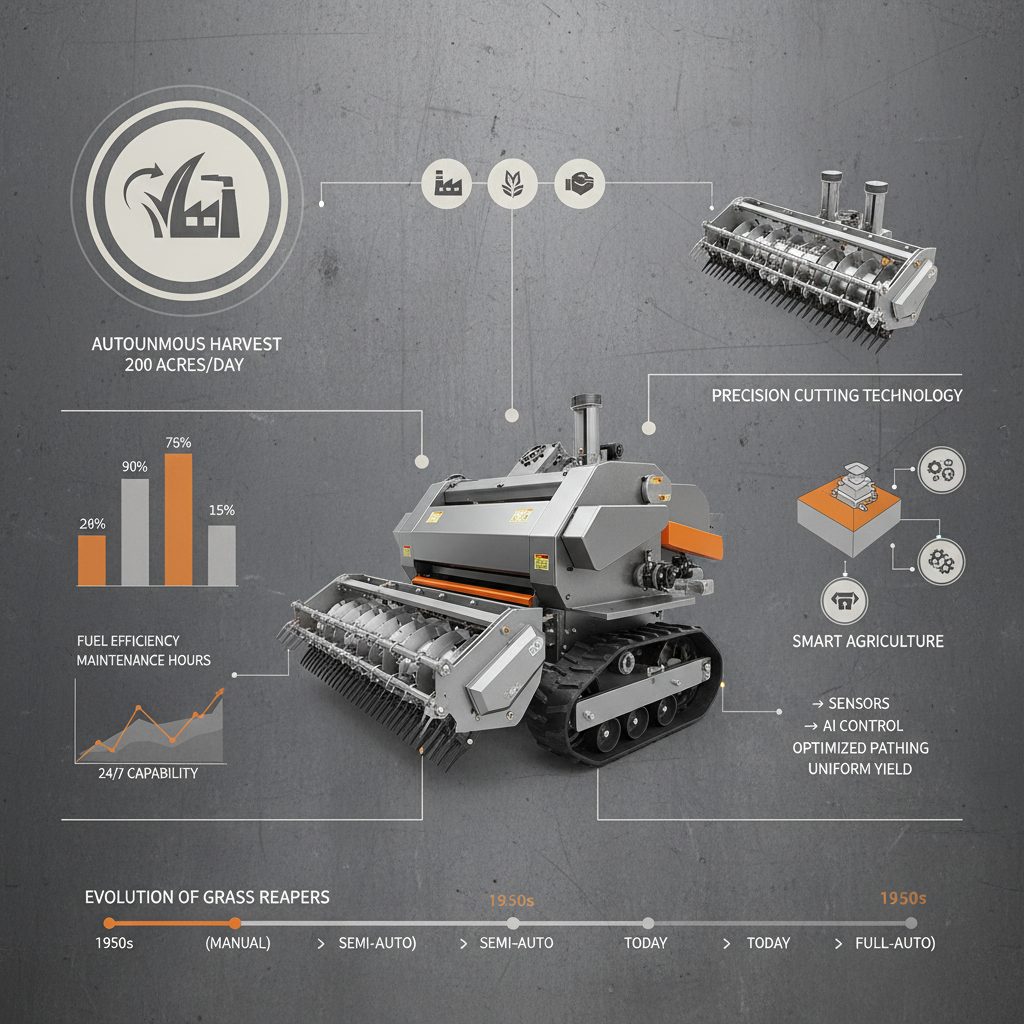
Maintenance and Safety Considerations
Proper maintenance is essential to prolong the lifespan of your grass reaper machine. Regularly inspect the blades for sharpness and damage, lubricate moving parts, and check the engine oil levels. Adhering to the manufacturer's maintenance schedule will prevent costly repairs. Safety should always be a priority. Always wear appropriate personal protective equipment (PPE), such as safety glasses and gloves, when operating the machine. Ensure the area is clear of obstructions before starting, and never attempt to repair the machine while it is running.
Conclusion: Investing in Efficiency with a Grass Reaper Machine
Investing in a grass reaper machine is a strategic move for any farmer or land manager seeking to optimize efficiency and reduce labor costs. By carefully considering your needs and choosing the right model, you can unlock significant benefits and improve your overall productivity. With proper maintenance and a commitment to safety, a grass reaper machine will prove to be a valuable asset for years to come.
Frequently Asked Questions (FAQs)
What type of fuel do grass reaper machines use?
Most grass reaper machines run on gasoline or diesel fuel. The choice depends on the engine type and the availability of fuel. Diesel engines are generally more fuel-efficient and durable, making them suitable for heavy-duty applications. Gasoline engines are often lighter and less expensive, making them a good option for smaller operations. Electric models are emerging as a more sustainable alternative, but their availability and runtime are still evolving.
How much does a grass reaper machine cost?
The cost of a grass reaper machine varies widely depending on the type, size, and features. Walk-behind models typically range from $1,000 to $3,000, while tractor-mounted models can cost between $3,000 and $10,000. Self-propelled machines are generally the most expensive, ranging from $5,000 to $20,000 or more. Consider your specific needs and budget when making a purchase.
What maintenance is required for a grass reaper machine?
Regular maintenance is crucial. This includes sharpening or replacing blades, lubricating moving parts, checking and changing engine oil, and inspecting belts and filters. It's also important to clean the machine after each use to prevent corrosion. Following the manufacturer's recommended maintenance schedule will help ensure optimal performance and longevity.
Are grass reaper machines suitable for all types of grass?
Most grass reaper machines can handle a wide variety of grasses, including pasture grasses, hay crops, and forage crops. However, some machines are specifically designed for certain types of grasses. Consider the type of grass you'll be cutting and choose a machine that is appropriate for the task. Dense or tall grasses may require a more powerful machine with a higher cutting capacity.
Latest news
-
Maximize Harvest Efficiency with the Agro Reaper Binder MachineNewsApr.16,2026
-
Boost Harvest Efficiency with the Best Agriculture Reaper MachineNewsApr.09,2026
-
Revolutionizing Agriculture with the Efficient Agriculture Power ReaperNewsApr.07,2026
-
Comprehensive Guide to the 4 Wheel Reaper Binder for Efficient HarvestingNewsApr.04,2026
-
Comprehensive Guide to Reaperbinder Technology for Efficient Hay and Crop HarvestingNewsMar.31,2026
-
Mastering the Art of Reaper Cutting for Enhanced Agricultural EfficiencyNewsMar.28,2026