Mini Wheat Combine Harvester | High-Performance Efficient Harvesting Solutions
Mini Wheat Combine Harvester is a key solution in the industry, specifically within agricultural and grain processing sectors. This article explores how https://www.hbniuboshi.com supports professionals with durable, high-performance products, and explains why this product is an ideal choice for businesses in these sectors.
Table of Contents
- Mini Wheat Combine Harvester Overview
- Benefits & Use Cases of Mini Wheat Combine Harvester
- Cost, Maintenance & User Experience
- Sustainability & Market Trends
- Frequently Asked Questions about Mini Wheat Combine Harvester
- Conclusion on Mini Wheat Combine Harvester from China
Mini Wheat Combine Harvester Overview
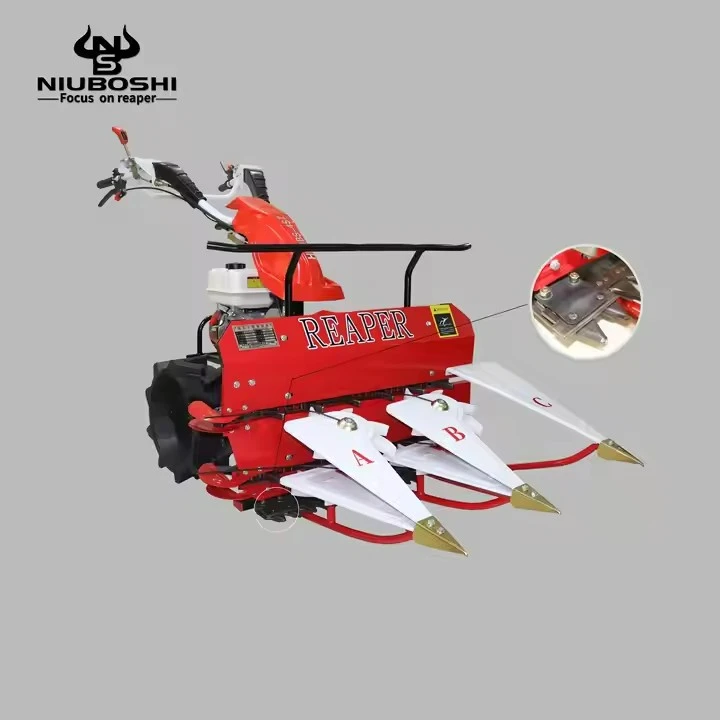
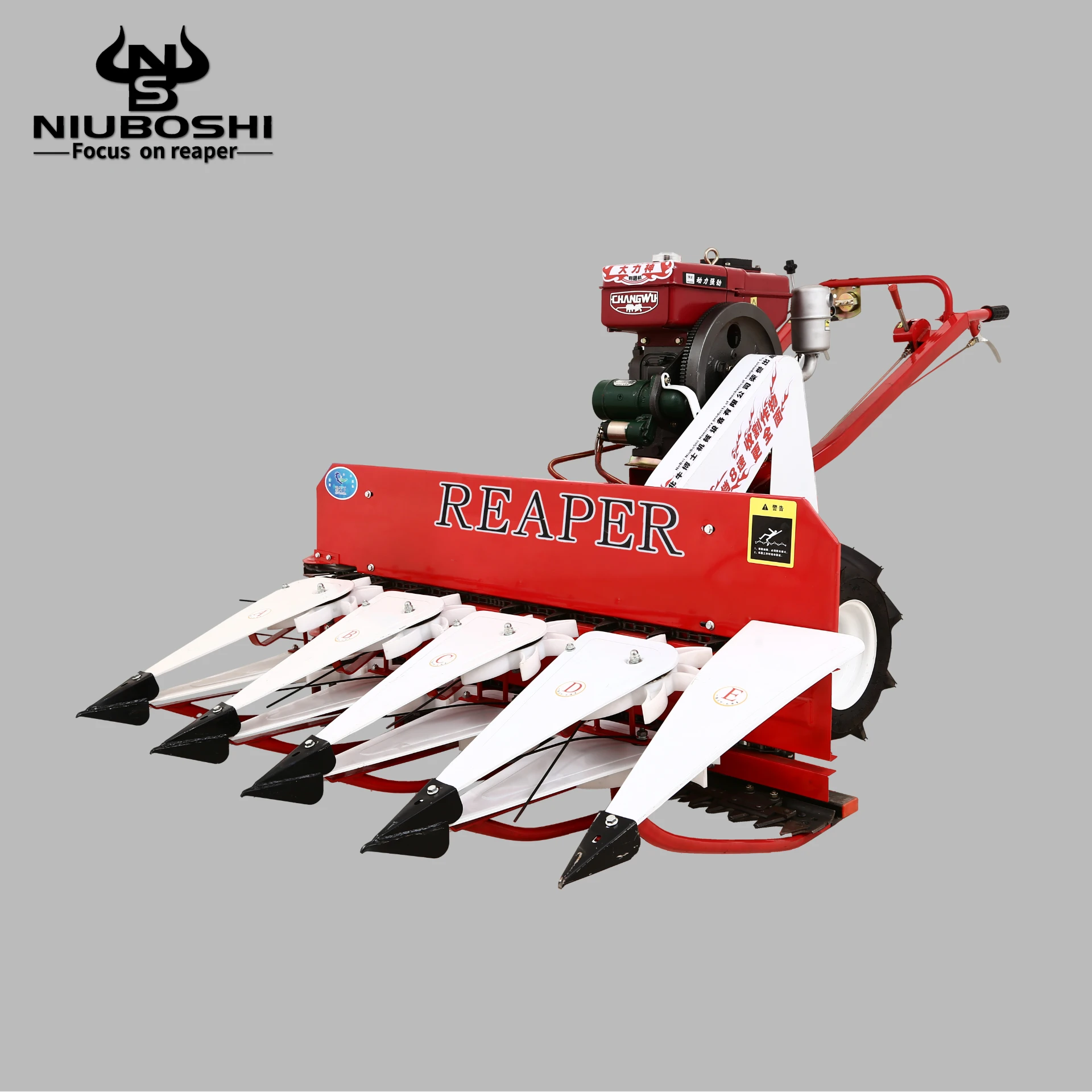
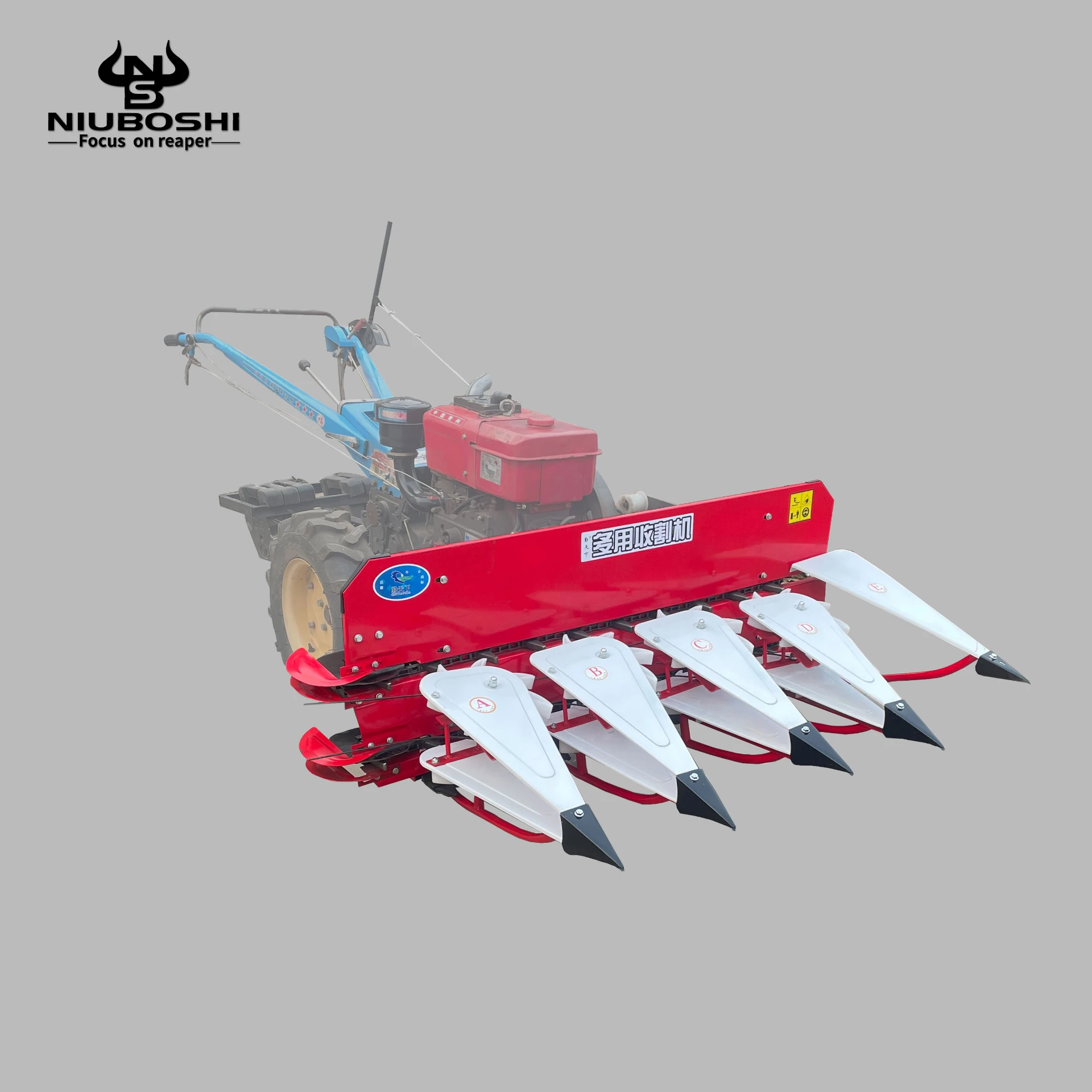
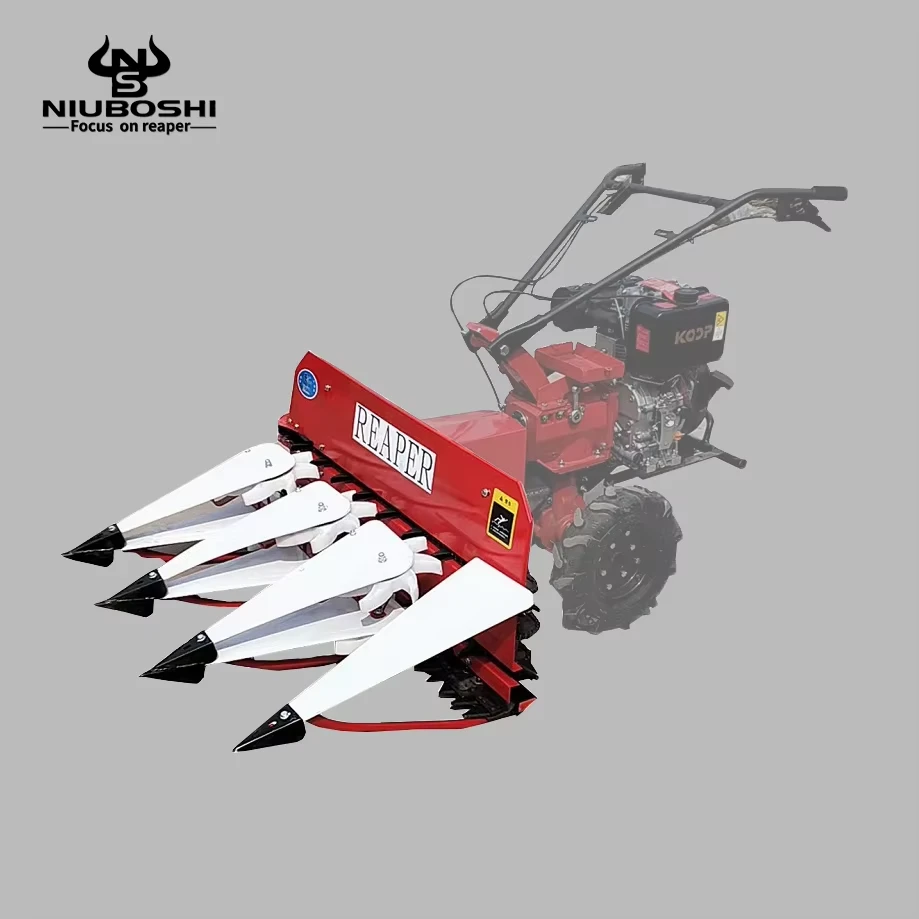
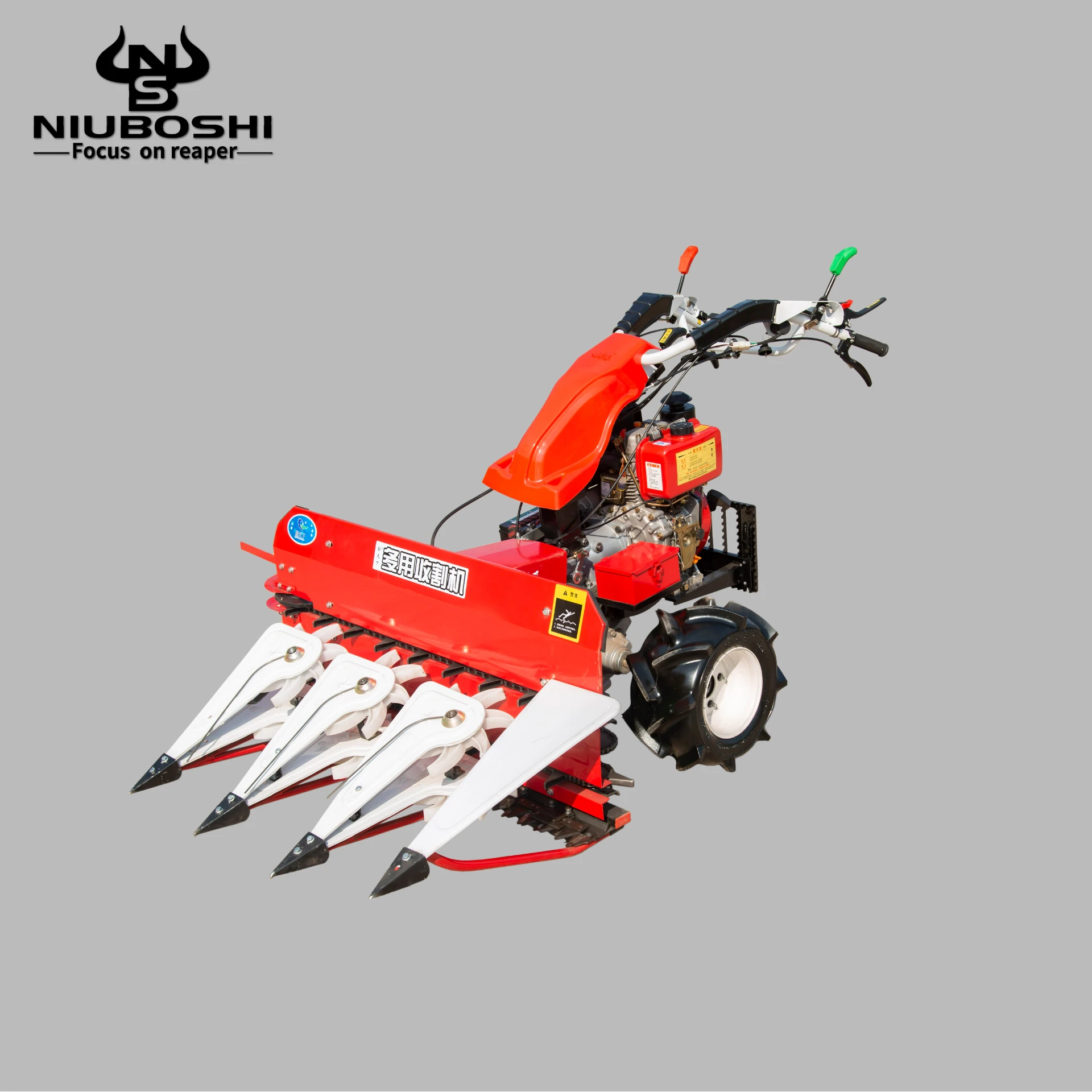
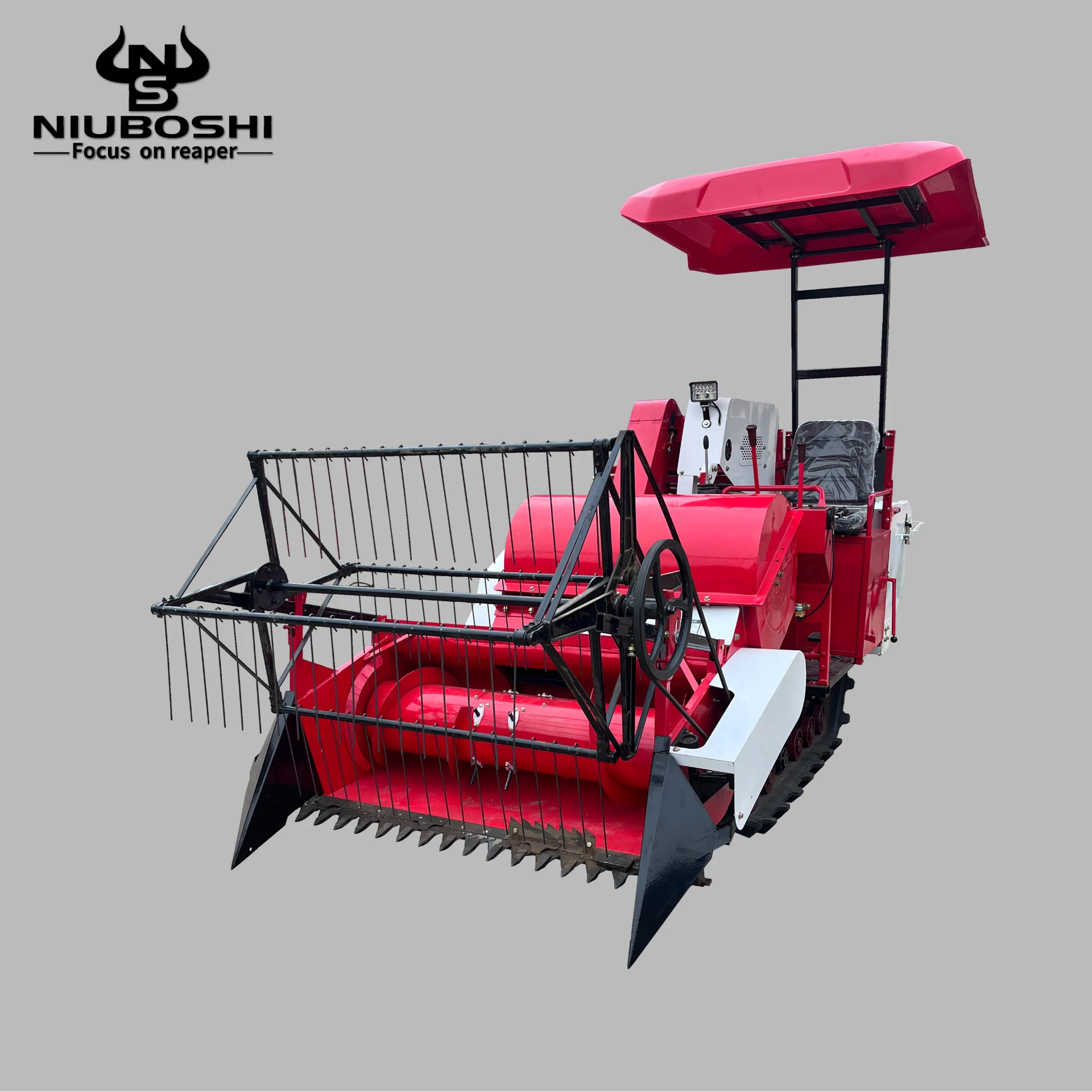
The Mini Wheat Combine Harvester is essentially a compact agricultural machine specialized for harvesting wheat and similar grains. It’s kind of like a Swiss Army knife for farmers, combining reaping, threshing, and winnowing into one nimble unit. In practical terms, it’s designed to maximize output even on smaller fields or in tighter spaces where traditional large combines just don’t cut it.
- Equipped with a powerful yet fuel-efficient diesel engine, often around 30-50 HP, it strikes a balance between robustness and maneuverability.
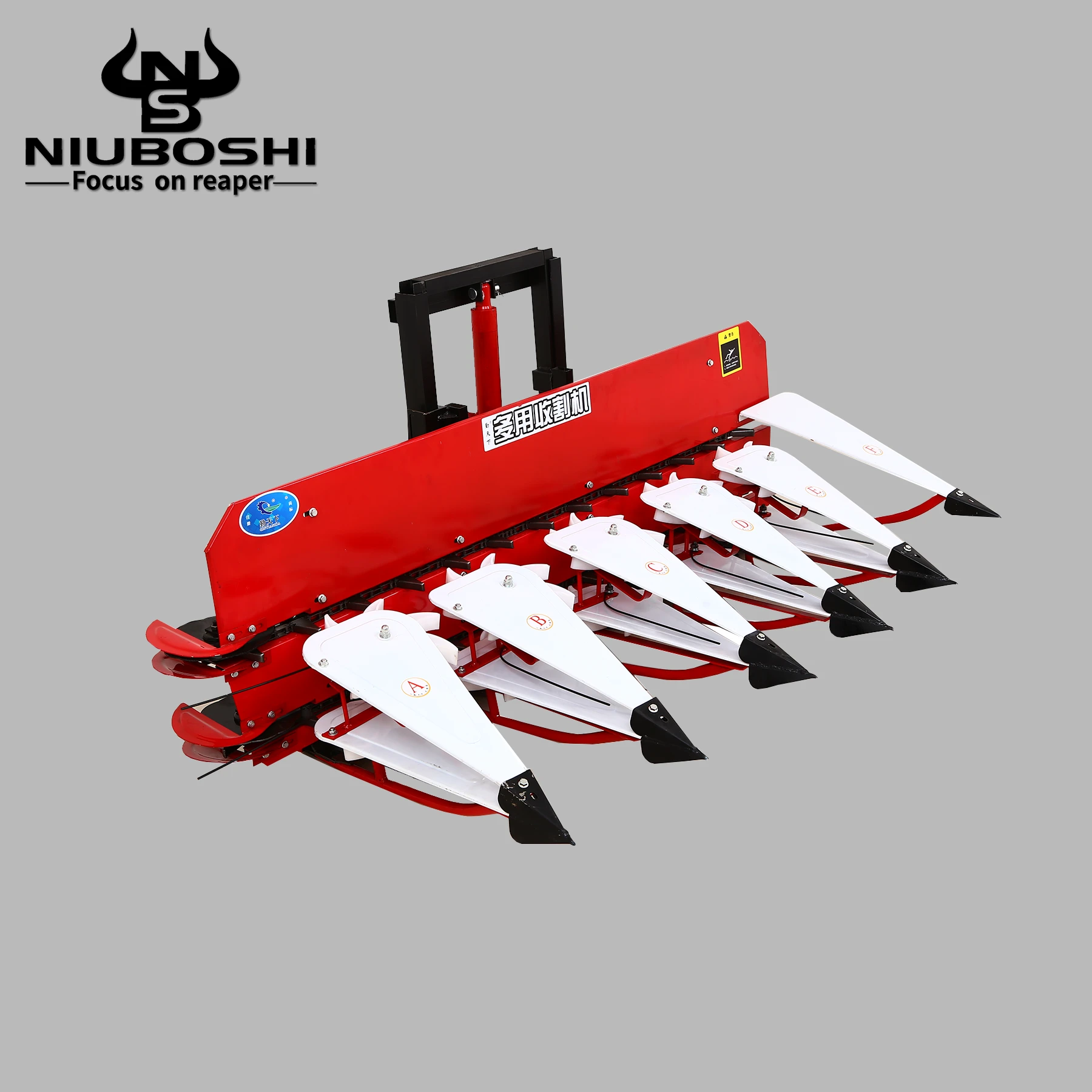
- The cutting width usually ranges between 1.2 to 1.5 meters, allowing precision harvesting without wasting grain.
- A real-world case study from a midsize farm in Shandong province showed an increase in harvesting efficiency by 40% after switching to mini combines.
| Specification | Details |
|---|---|
| Engine Power | 35 HP Diesel |
| Cutting Width | 1.3 meters |
| Fuel Tank Capacity | 50 Liters |
| Threshing Mechanism | Tangential Cylinder |
| Grain Tank Capacity | 800 kg |
| Weight | 1200 kg |
Benefits & Use Cases of Mini Wheat Combine Harvester
When it comes to applications, this machine shines in fragmented or small land plots, especially in regions where bigger gear simply can’t navigate easily. Farmers and contract harvesters alike prefer it because it reduces manual labor significantly without the overhead cost of large machinery.
- Ideal for hilly terrain or small farms under 10 hectares where access is limited.
- Integrates well with modern farming software thanks to optional sensor kits for yield monitoring.
- Compact frame enables quicker transport and easier storage, which is a big plus for seasonal operators.
Oddly enough, many users highlight how the machine’s modular design makes it easier to repair or customize on the spot – a critical feature when downtime costs are so high.
| Vendor | Price Range (USD) | Engine Power | Warranty |
|---|---|---|---|
| Niuboshi (China) | $9,500 - $12,000 | 35 HP | 1 Year |
| Brand X (Europe) | $15,000 - $18,000 | 40 HP | 2 Years |
| Supplier Y (USA) | $14,000 - $16,500 | 38 HP | 1.5 Years |
Cost, Maintenance & User Experience
Frankly, the total cost of ownership is one of the most talked-about points. The initial investment for a Mini Wheat Combine Harvester is quite reasonable compared to full-size combines. Maintenance-wise, its simpler mechanics usually mean fewer breakdowns and cheaper parts. The ROI can be pretty impressive if you factor in labor savings and increased throughput.
- Users have reported up to 20% savings on fuel compared to older models.
- Modular parts and clear design reduce repair time – many engineers say it’s a breeze to service.
- Customer feedback often highlights ease of training operators and adaptability to various crops beyond wheat, like barley or oats.
Sustainability & Market Trends
Sustainability has increasingly become a priority in agri-machinery, and these mini combine harvesters fit right into that narrative. Their lower fuel consumption naturally reduces carbon footprint. Plus, compliance with stricter emissions standards is often baked into newer models from leading manufacturers such as Niuboshi. This aligns well with the global push towards green farming techniques and precision agriculture.
- Smaller machines are part of a trend moving away from overlarge equipment, to minimize soil compaction and disturbance.
- Integration with IoT systems is a market growth vector, enabling better crop yield predictions and efficiency insights.
Frequently Asked Questions about Mini Wheat Combine Harvester
- What is Mini Wheat Combine Harvester and how does it work?
- It’s a compact machine that combines cutting, threshing, and separating grain in one pass, optimized for small-scale wheat harvesting. It uses a cutting platform upfront, then feeds the crop through a threshing drum to separate grain from chaff.
- What are the main benefits of using Mini Wheat Combine Harvester in industrial applications?
- Key benefits include lower fuel consumption, reduced manpower, adaptability to varied terrains, and a smaller footprint, making it highly cost-effective for midsize farming businesses.
- How does Mini Wheat Combine Harvester compare to traditional alternatives?
- Compared with traditional larger combines, the mini combine is easier to transport and maintain, which results in fewer operational delays and fits better with fragmented land use. However, it may sacrifice some throughput capacity for versatility.
- What industries can benefit most from Mini Wheat Combine Harvester implementation?
- Beyond small-to-mid scale wheat farms, industries involved in contract harvesting, seed production, and agro-processing can benefit, especially where land size and labor availability are limiting factors.
Conclusion on Mini Wheat Combine Harvester from china
In sum, the Mini Wheat Combine Harvester combines practicality and performance in a package that perfectly suits today’s evolving agricultural landscape. It offers a measurable boost in efficiency without the overhead costs of larger machines. For businesses looking to streamline their wheat harvesting or diversify their equipment fleet, I’d say it’s worth a close look. - Visit our website: https://www.hbniuboshi.com
References:
1. FAO Agricultural Mechanization Reports, 2023
2. User testimonials collected from Niuboshi customers, 2023
3. Industry whitepapers on sustainable farming machinery, 2022
Latest news
-
Maximize Harvest Efficiency with the Agro Reaper Binder MachineNewsApr.16,2026
-
Boost Harvest Efficiency with the Best Agriculture Reaper MachineNewsApr.09,2026
-
Revolutionizing Agriculture with the Efficient Agriculture Power ReaperNewsApr.07,2026
-
Comprehensive Guide to the 4 Wheel Reaper Binder for Efficient HarvestingNewsApr.04,2026
-
Comprehensive Guide to Reaperbinder Technology for Efficient Hay and Crop HarvestingNewsMar.31,2026
-
Mastering the Art of Reaper Cutting for Enhanced Agricultural EfficiencyNewsMar.28,2026