
Advanced reaper harvester Solutions for Peru's Diverse Terrain

Optimizing crop collection efficiency across the Andean highlands and coastal valleys with precision engineering.

Advanced reaper harvester Solutions for Peru's Diverse Terrain

Providing high-performance harvesting machinery tailored to the unique agricultural topography of Peru, ensuring maximum yield and minimal waste.

Agricultural Harvesting Status in Peru

Analyzing the transition from manual labor to mechanized reaping in the Peruvian landscape.

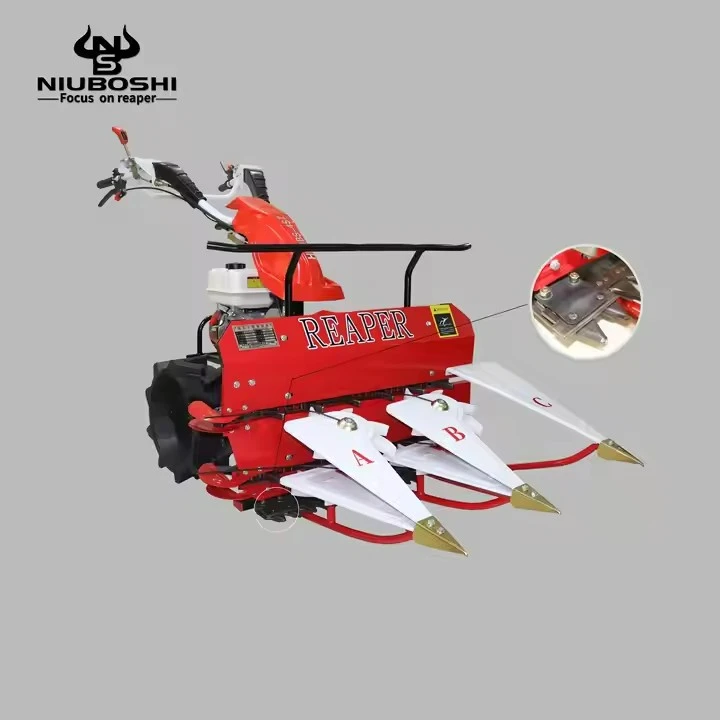
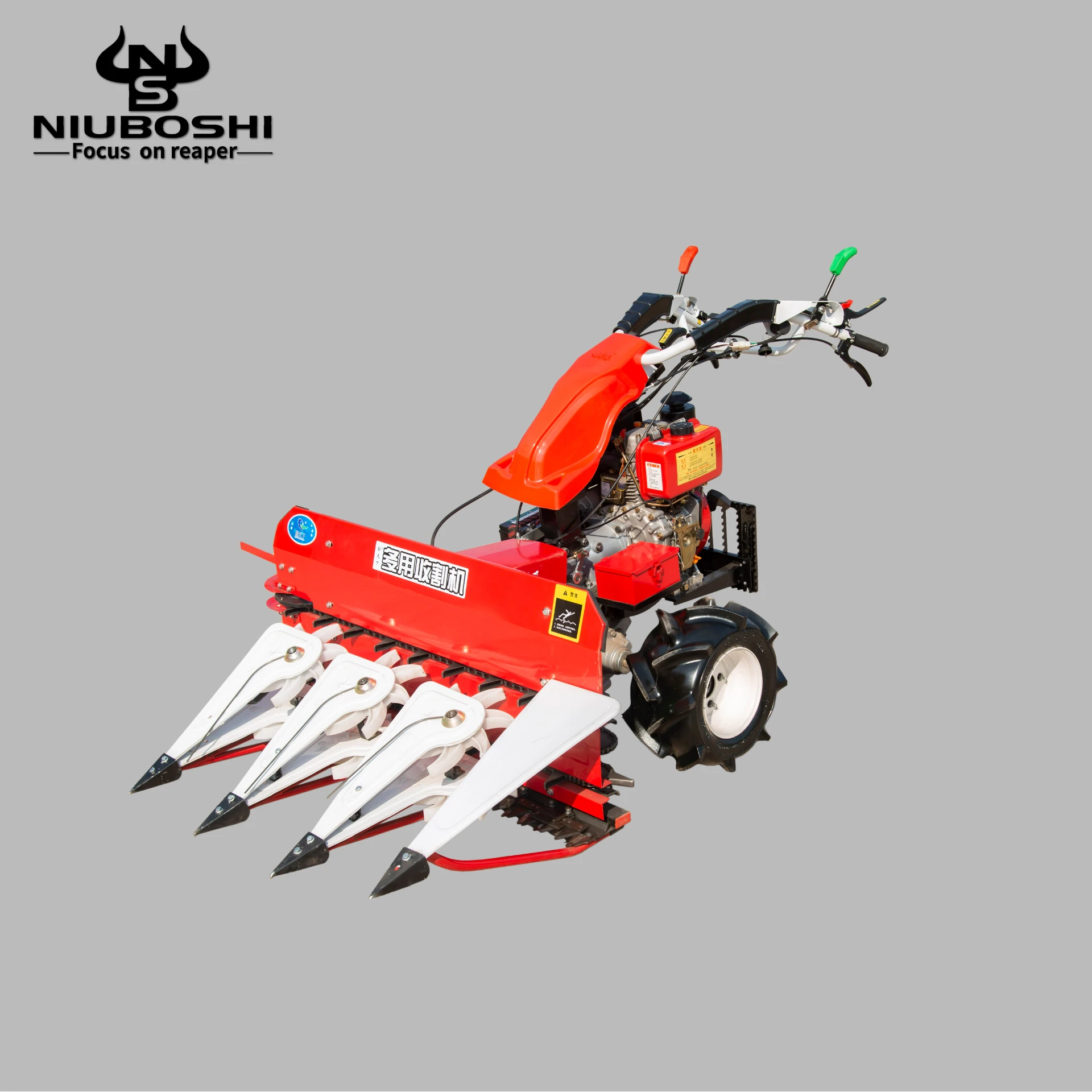
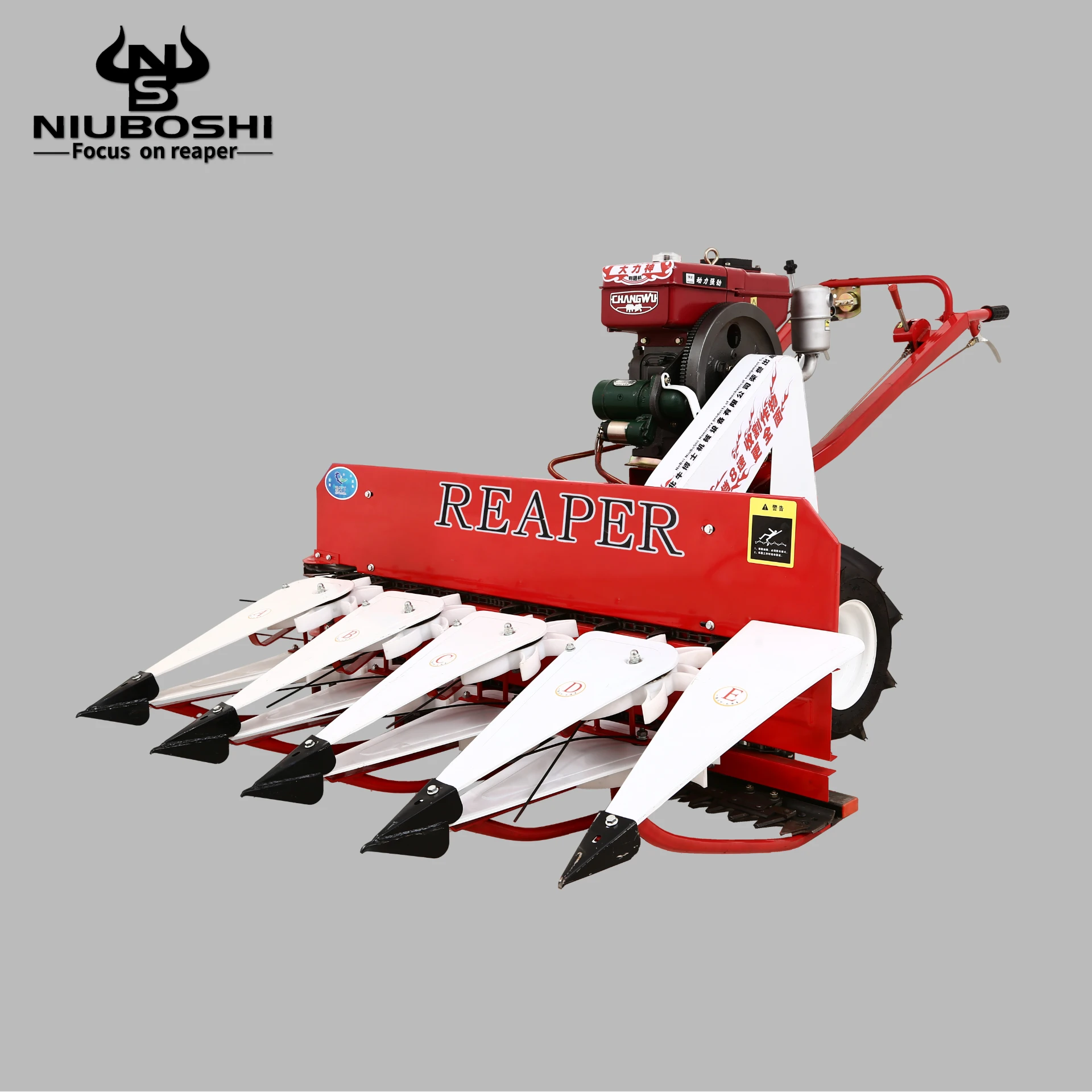
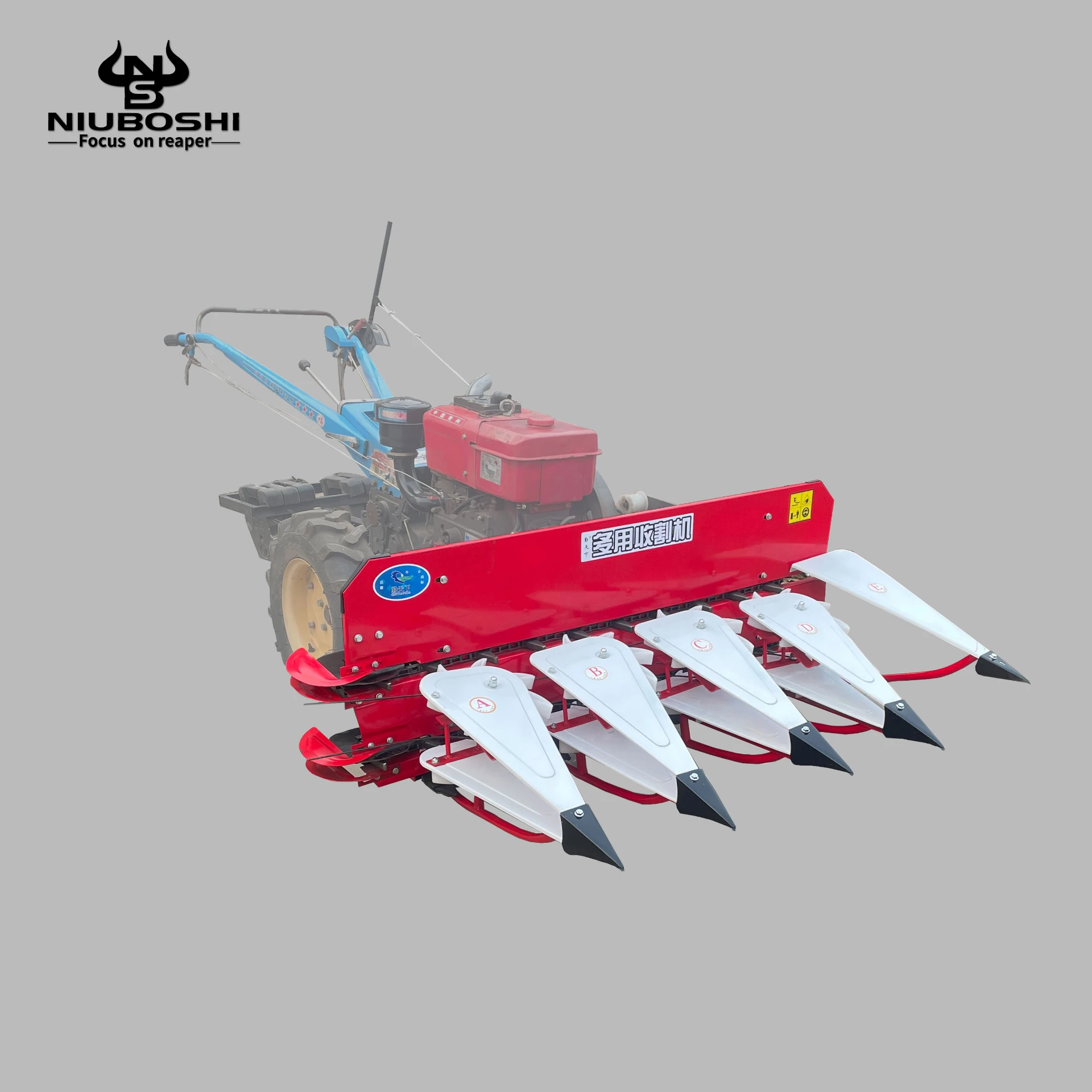
Agriculture in Peru is characterized by extreme geographical diversity, from the coastal deserts to the Andean highlands. Currently, many small-scale farmers still rely on traditional manual cutting, but there is a surging demand for the grass reaper machine to manage forage and pasture more efficiently, especially in the livestock-rich regions of the Sierra.

The adoption of the reaper machine has become critical as labor shortages increase in rural areas. Farmers are shifting toward semi-automated tools that can handle the steep slopes of the Andes, where heavy industrial machinery cannot operate, necessitating more agile and compact harvesting solutions.

Economically, the push for export-quality forage and grains has forced a modernization of the supply chain. The integration of a professional forage harvester is now seen as a strategic investment to reduce post-harvest losses and improve the nutritional quality of animal feed throughout the year.
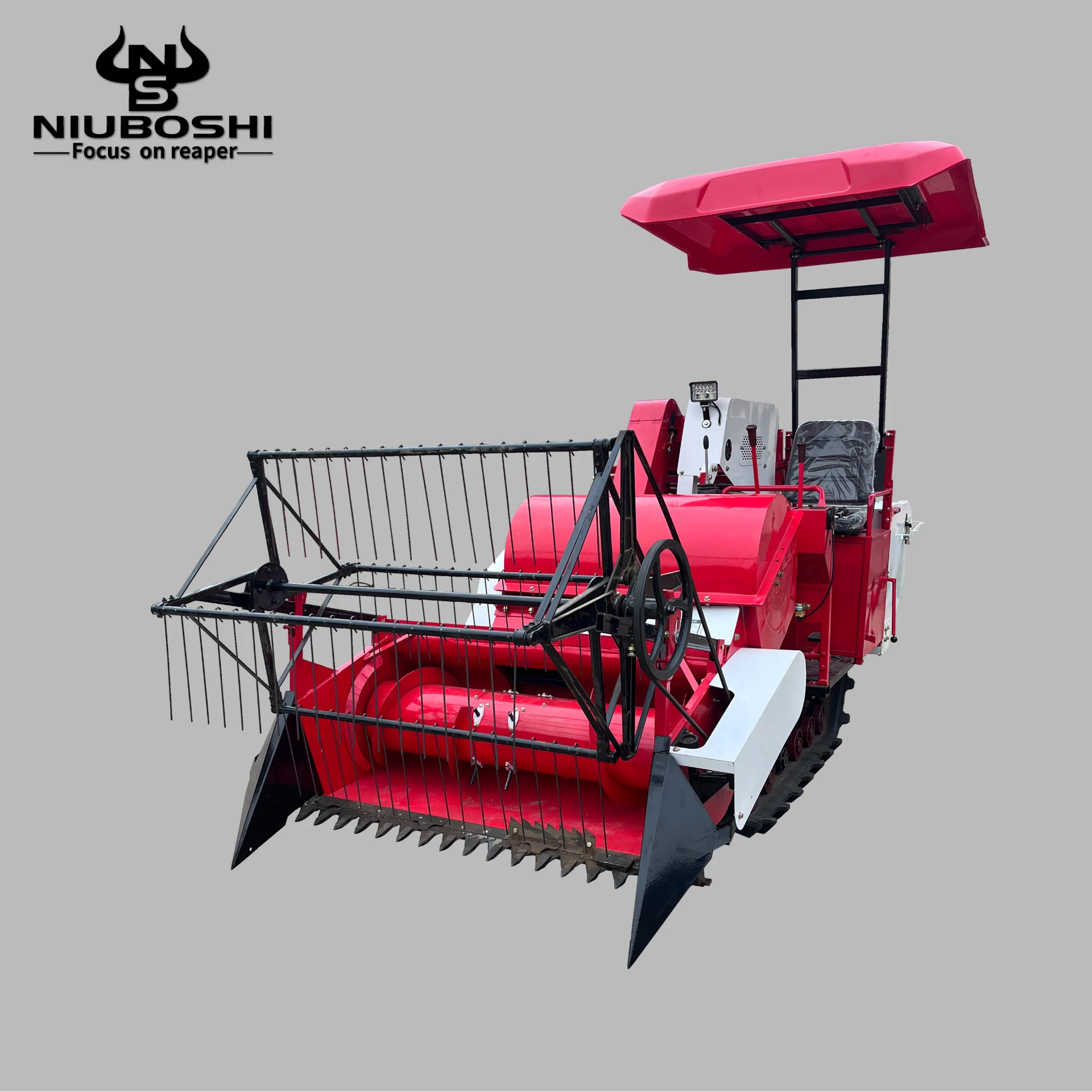
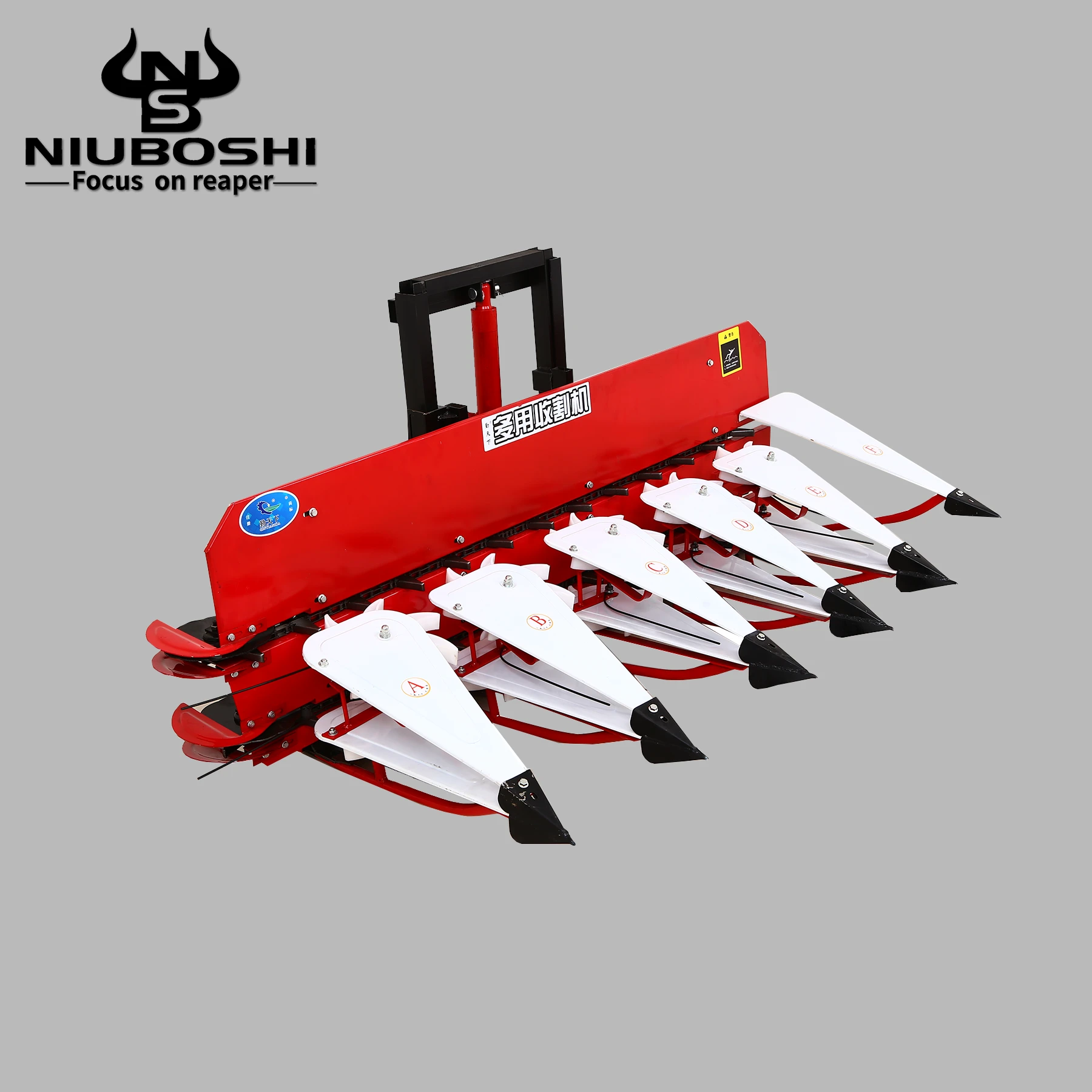
Evolution of Harvesting Technology in Peru

Tracing the trajectory from scythes to smart mechanized binders.

Market Development History

Prior to the 1990s, Peruvian crop harvesting was almost exclusively manual. The first wave of mechanization introduced basic motorized cutters, but these lacked the precision required for the varied Peruvian soil, often leading to significant crop damage.

Between 2000 and 2015, the market saw the introduction of the mini reaper binder, which revolutionized small-plot farming by combining cutting and tying functions, drastically reducing the man-hours required for wheat and rice harvests.

In the last decade, the focus has shifted toward "precision harvesting." The adoption of specialized machinery has evolved to include adjustable cutting heights and reinforced chassis to withstand the rugged terrain of the Peruvian highlands.

Future Development Trends

IoT Integration and Smart Sensing

Future machines will incorporate sensors to monitor crop density and moisture in real-time, optimizing the cutting speed of the reaper to ensure zero grain loss.

Electric Propulsion for Small Plots

There is a growing trend toward battery-operated mini harvesters to reduce carbon emissions in sensitive ecological zones of the Amazon basin and Andean valleys.

Modular Attachments

The market is moving toward multi-functional platforms where a single power unit can switch between different harvesting heads depending on the season.

Industry Trends and Future Outlook

Strategizing the next era of crop harvesting in South America.

High-Altitude Optimization
Engineering engines to maintain peak torque in thin Andean air for consistent harvesting speed.
Compact Mobility
Developing ultra-slim chassis to navigate narrow terrace farms typical of Peruvian agriculture.
Eco-Friendly Processing
Integrating low-emission engines to comply with evolving South American environmental standards.
Precision Cutting
Implementing advanced blade metallurgy to reduce wear and tear on tough Peruvian crop stalks.

Industry Outlook

Based on search trend data, there is a significant increase in queries for "affordable mechanization" in Peru. This indicates a transition where farmers are moving away from massive tractors toward specialized, mid-sized equipment that balances cost and efficiency.

Over the next 3-5 years, the integration of autonomous navigation will likely begin in the larger coastal plantations, while the highlands will prioritize the durability and ease of maintenance of compact reaping systems.

Localized Application Scenarios in Peru

Real-world implementation of reaping technology across Peruvian biological zones.

01. Andean Alfalfa Harvesting

Utilizing the grass reaper machine for efficient cutting of high-protein alfalfa in the highlands to support local dairy cattle farms.

02. Coastal Rice Production

Implementing the mini reaper binder in the coastal plains to automate the cutting and bundling of rice, reducing labor costs by 60%.

03. Maize Forage Production

Deploying the forage harvester to process maize stalks into high-quality silage for year-round livestock feeding in the Cajamarca region.

04. Small-Scale Wheat Plots

Using a versatile reaper machine to manage diverse grain crops in small family-owned plots where maneuverability is key.

05. Pastoral Land Management

Applying industrial-grade reaper harvester units for large-scale pasture clearing to prepare land for seasonal crop rotation.

Brand Story

Global Development History of Hebei Niuboshi Mechanical Equipment Co., Ltd.

Foundational Engineering

Established with a mission to solve the inefficiency of manual harvesting, we began by perfecting the blade geometry for tough crop varieties.

Technological Breakthrough

Developed the first generation of compact binder systems that allowed small farmers to mechanize without huge capital investment.

Global Market Expansion

Expanded operations to South America, adapting our machinery to handle the altitude and soil conditions of Peru and Brazil.

Innovation in Forage

Launched a series of high-efficiency forage processors that bridge the gap between raw harvest and processed silage.

Commitment to Sustainability

Now focusing on energy-efficient motors and durable materials to ensure a long lifecycle for every machine delivered globally.

Comprehensive Harvesting Portfolio for Peru

A complete range of machinery designed for every Peruvian agricultural zone.

Common Questions from Peruvian Farmers

Expert answers to technical and operational queries regarding reaping machinery.

How does the mini reaper binder perform on steep Andean slopes?

Our mini reaper binder is designed with a low center of gravity and high-traction wheels, making it stable and effective for the terraced farming common in the Andes.

Which grass reaper machine is best for high-altitude alfalfa?

We recommend models with reinforced cutting bars and high-torque engines that maintain efficiency even in the lower oxygen levels of high-altitude regions.

Can a forage harvester handle diverse Peruvian crop stalks?

Yes, our forage harvesters feature adjustable feed rollers and heavy-duty blades capable of processing everything from soft grasses to tough maize stalks.

What is the maintenance cycle for a reaper machine in sandy coastal soil?

In coastal areas, we suggest weekly cleaning of the air filters and lubricating the cutting assembly every 20 operating hours to prevent abrasion from sand.

How does a reaper harvester improve yield compared to manual cutting?

A reaper harvester reduces grain shatter and crop trampling, ensuring that a higher percentage of the crop is collected accurately and quickly.

Are there fuel-efficient options for small-scale Peruvian farms?

Yes, we offer a range of compact engines optimized for low fuel consumption without sacrificing the cutting power needed for dense forage.

Ready to Modernize Your Harvest?

Contact our specialists to find the perfect harvesting equipment for your specific region in Peru.

Contact Us Now

If you are interested in our products, you can choose to leave your information here, and we will be in touch with you shortly.