
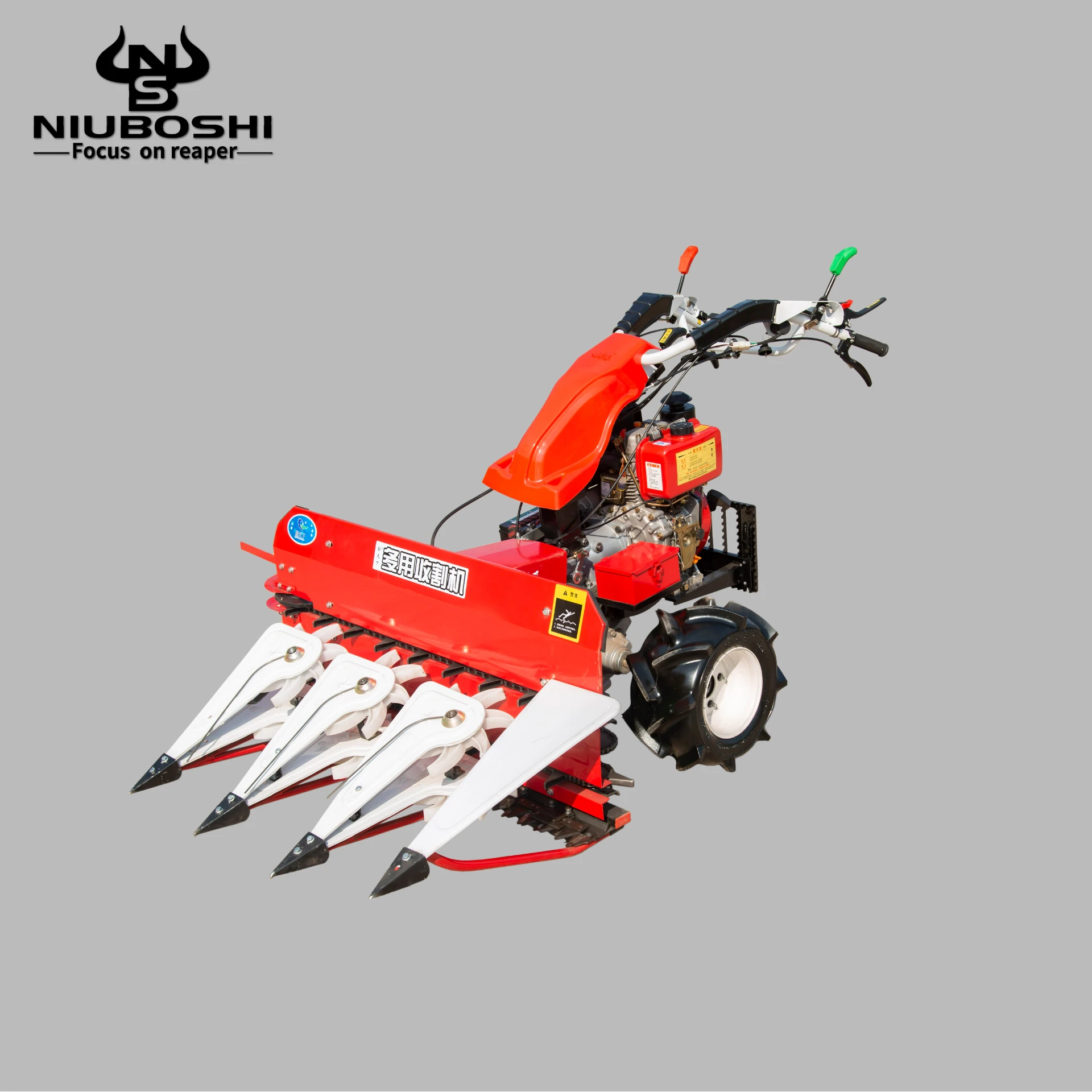
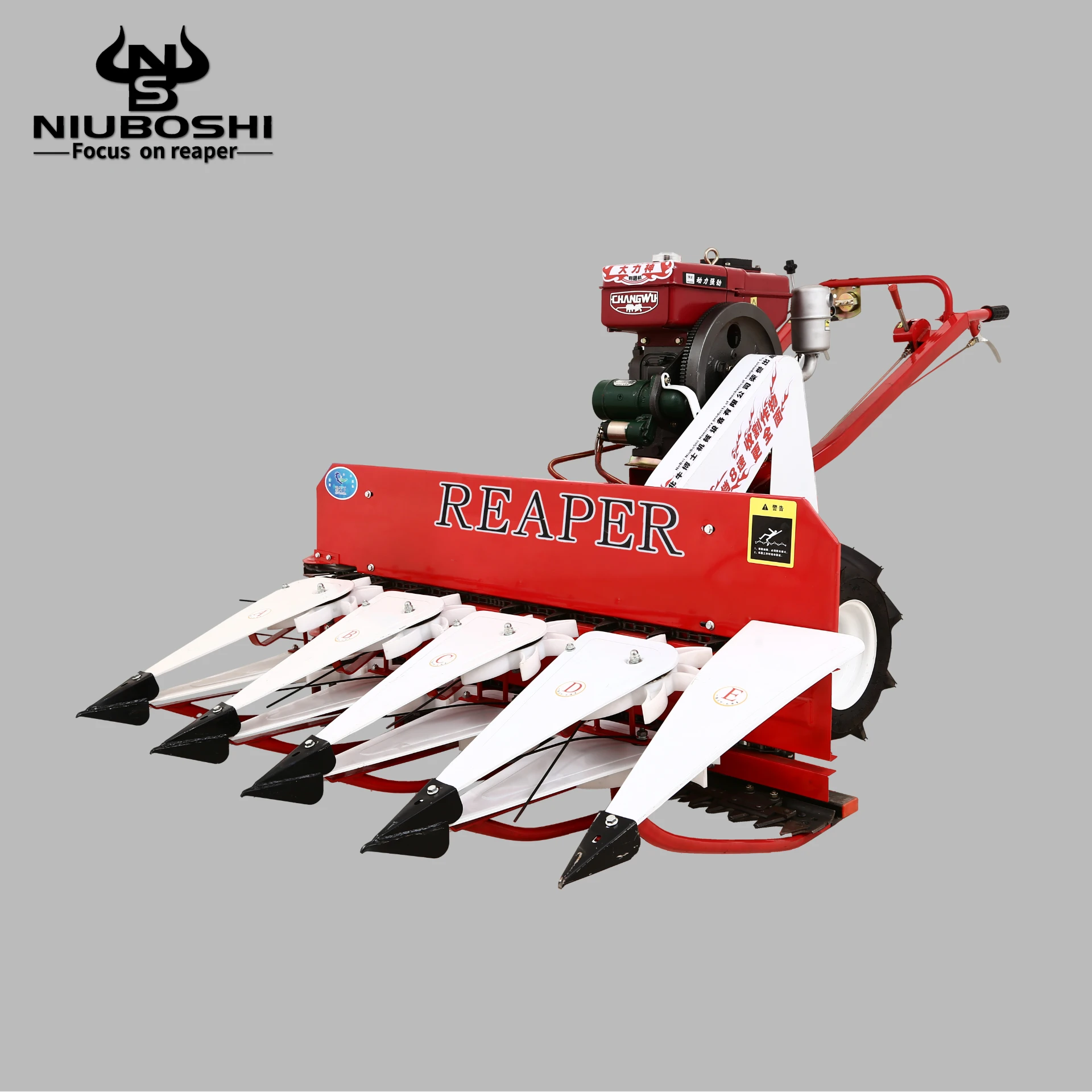
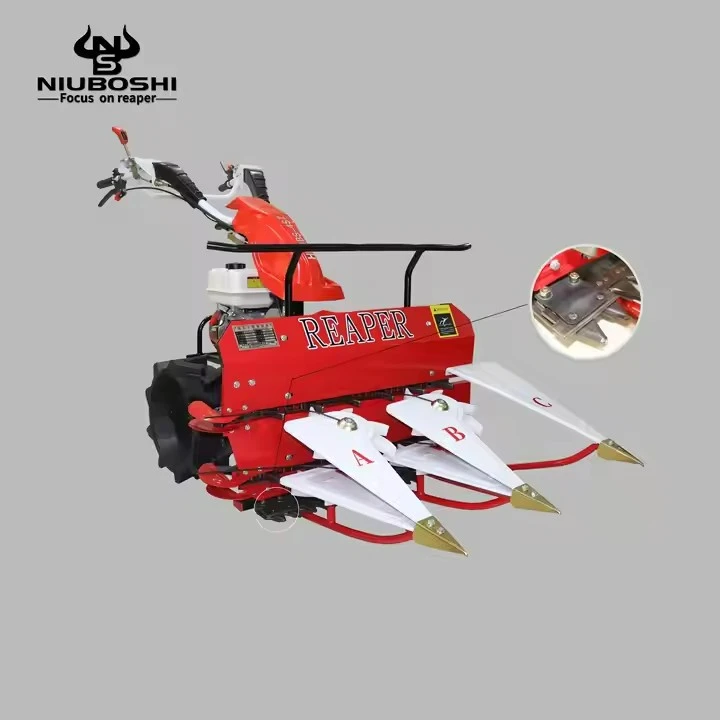
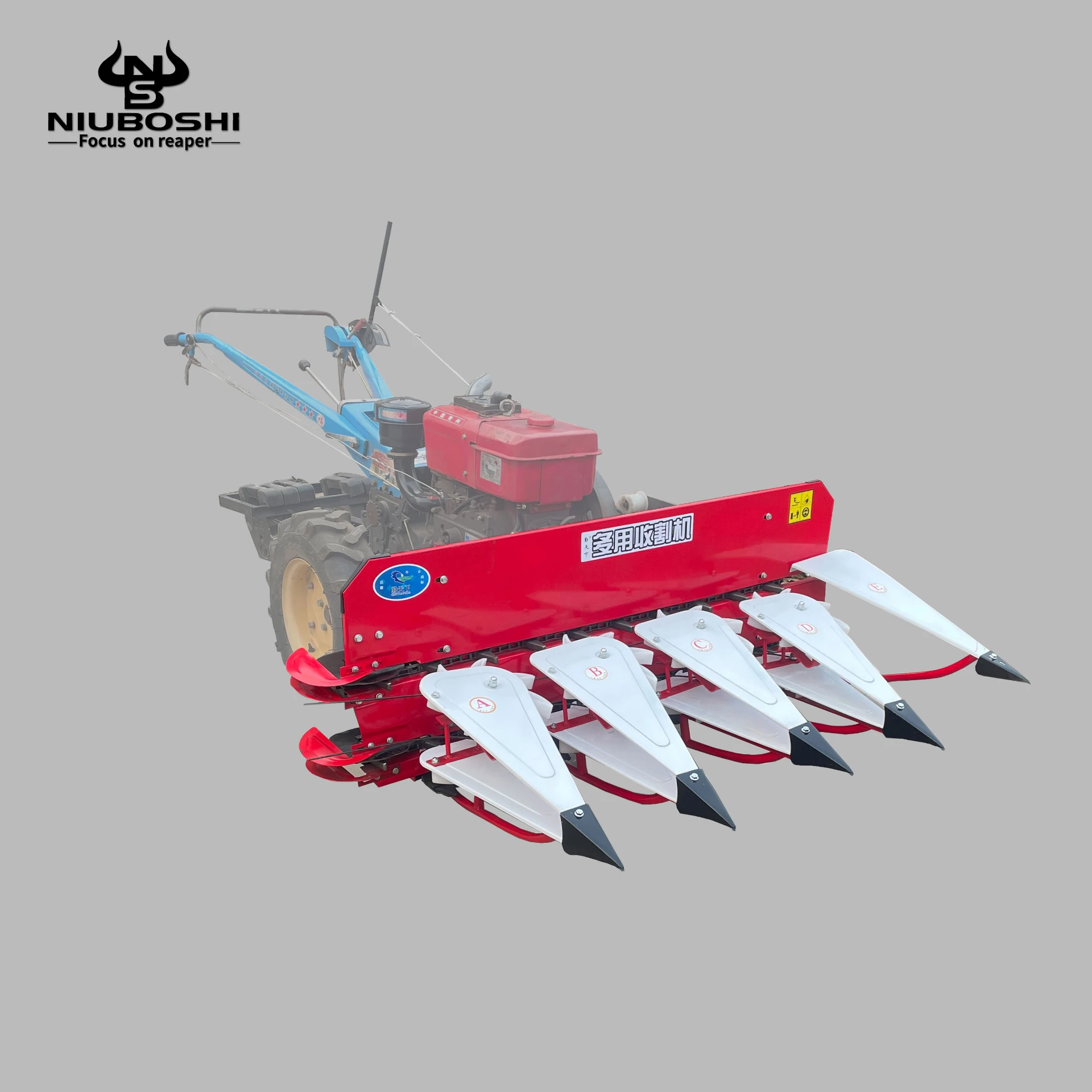
Advanced reaper harvester Solutions for Colombia's Diverse Terrain

Optimizing crop collection and forage management across the Andean highlands and tropical valleys with high-efficiency harvesting technology.

Advanced reaper harvester Solutions for Colombia's Diverse Terrain

We provide a comprehensive range of crop harvesting machinery engineered to handle Colombia's unique agricultural topography, from small-scale family plots to expansive industrial estates.

The State of Crop Harvesting in Colombia

Analyzing the transition from manual labor to mechanized reaper machine adoption in South America.

Colombia's agricultural landscape is characterized by extreme topographical diversity, ranging from the steep slopes of the Andes to the humid Caribbean plains. Historically, forage and grain harvesting relied heavily on manual labor, which limited productivity and increased operational costs for local farmers.

Currently, there is a significant shift toward the adoption of the mini reaper binder, especially among small-to-medium enterprises (SMEs) in the coffee and cereal belts. This trend is driven by the need to reduce post-harvest losses and optimize the timing of crop collection to avoid the unpredictable tropical rainy seasons.

Despite the progress, the market still faces challenges regarding machinery durability in high-humidity environments. The demand for a robust forage harvester has spiked as Colombian livestock producers seek to modernize their silage production to ensure year-round feed security.
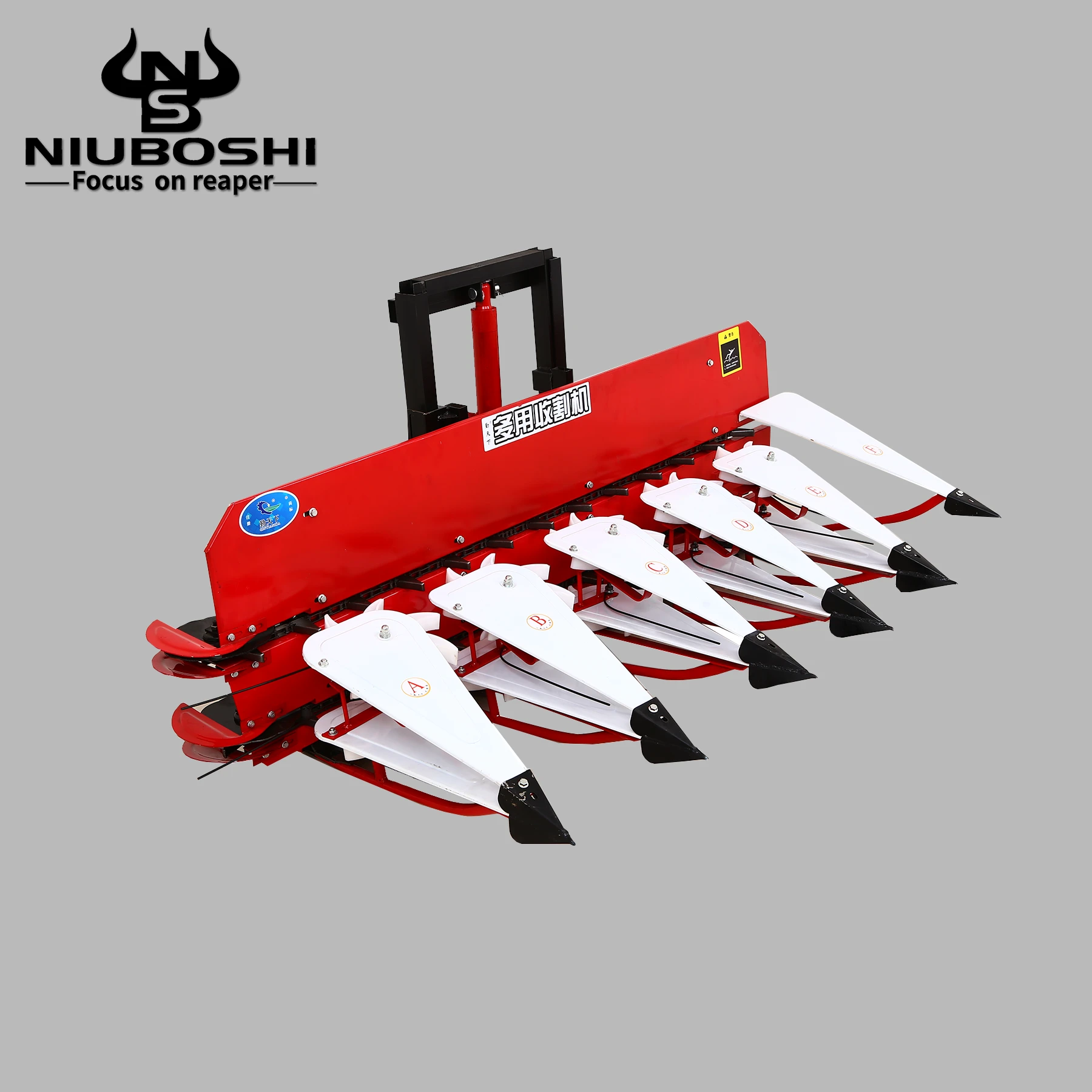
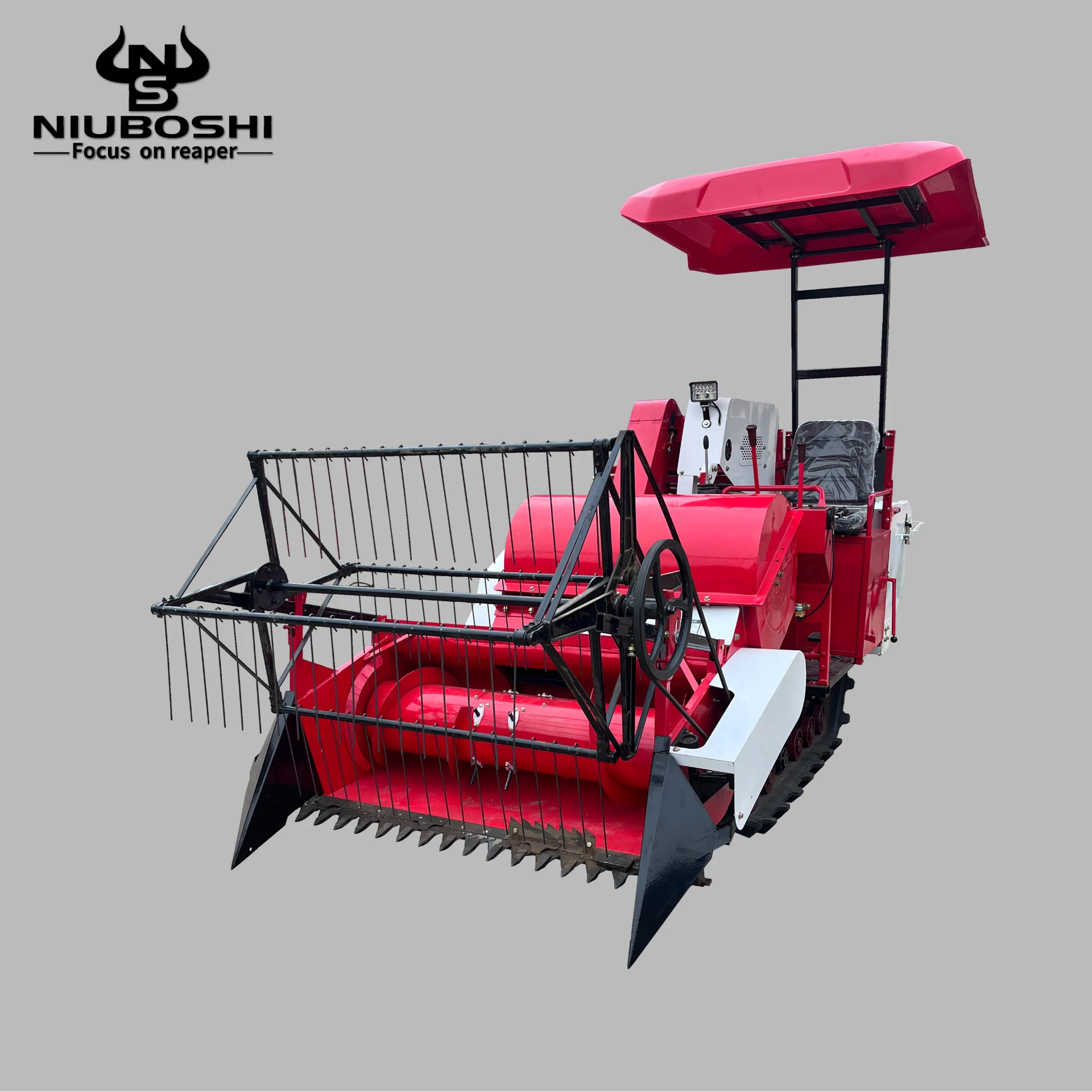
Evolution of Harvesting Technology in Colombia

From traditional sickles to precision grass reaper machine systems.

Market Development History

Before 2000, the Colombian market was dominated by manual harvesting and animal-drawn implements. The primary focus was on subsistence farming, where the concept of a mechanized reaper machine was a luxury reserved for the largest estates in the Llanos Orientales.

Between 2010 and 2020, the introduction of compact, diesel-powered machinery revolutionized the sector. This era saw the rise of the mini reaper binder, which allowed farmers with fragmented land holdings to automate the cutting and bundling process without requiring massive capital investment.

From 2021 to the present, the focus has shifted toward "precision harvesting." This involves integrating higher-grade alloys and optimized cutting geometries to handle the denser, more fibrous forage crops common in the Colombian tropics.

Future Development Trends

IoT Integration and Telemetry

We expect a surge in smart sensors for reaper harvester units, allowing farmers to monitor fuel efficiency and blade wear in real-time via mobile apps.

Eco-friendly Power Systems

Driven by global sustainability goals, there is a growing trend toward hybrid or electric motors for small-scale grass reaper machine applications to reduce carbon footprints in protected ecological zones.

Modular Attachment Systems

The future lies in versatility. Farmers will demand machines that can switch between a forage harvester mode and a grain reaper mode to maximize equipment utilization throughout the year.

Industry Trends and Future Outlook

Predicting the trajectory of harvesting automation in the Colombian agricultural sector.

Compact Automation
Shift toward miniaturized, high-torque machines suited for the fragmented Andean topography.
Climate Resilience
Development of anti-corrosive coatings to withstand Colombia's high tropical humidity.
Yield Optimization
Enhanced cutting precision to reduce grain loss during the reaping process.
Sustainable Power
Integration of low-emission engines to meet Colombian environmental regulations.

Industry Outlook

According to search trend logic, there is a growing interest in "cost-effective mechanization" across the Cundinamarca and Antioquia regions. The industry is moving away from oversized machinery toward agile, specialized equipment that fits the "minifundio" (small plot) model prevalent in Colombia.

Over the next 3-5 years, the convergence of affordable manufacturing and local technical training will likely accelerate the replacement of manual scything with high-efficiency motorized systems, significantly increasing the national forage production capacity.

Localized Application Scenarios in Colombia

Tailored harvesting solutions for diverse Colombian agro-ecological zones.

1. Andean Highlands Forage Collection

Utilizing the forage harvester on steep slopes in Boyacá to efficiently gather nutrient-rich grasses for dairy cattle silage.

2. Small-Scale Wheat and Rice Plots

Deploying the mini reaper binder in the valley regions to automate the cutting and tying of grains, reducing labor dependency by 70%.

3. Tropical Pasture Maintenance

Using the grass reaper machine for periodic clearing and fodder preparation in the humid plains of the Caribbean coast.

4. Mixed-Crop Cooperative Farms

Implementing a versatile reaper machine to handle multiple crop types in cooperative farming models across the Coffee Axis.

5. Industrial Feedstock Production

Scaling operations with a high-capacity reaper harvester for large-scale alfalfa and corn production destined for national livestock markets.

Brand Story

Global Development Journey of Hebei Niuboshi Machinery Equipment Co., Ltd.

Founding Vision

Established with a mission to bridge the gap between complex industrial engineering and practical farm-level usability in crop harvesting.

Technical Breakthrough

Developed a proprietary blade geometry that reduces energy consumption while increasing cutting speed for dense tropical forage.

Global Expansion

Extended operations to South America, specifically tailoring machinery to the unique terrain and crop varieties of Colombia.

Quality Certification

Achieved international standards in durability and safety, ensuring our equipment thrives in the most demanding agricultural environments.

Future Commitment

Dedicated to empowering farmers worldwide through affordable, sustainable, and high-performance harvesting technology.

Complete Harvesting Portfolio for Colombia

A full spectrum of machinery from mini binders to industrial forage harvesters.

Common Questions on Colombian Harvesting Machinery

Expert answers to technical and operational queries from our local partners.

Which mini reaper binder is best for small plots in Antioquia?

For fragmented plots, we recommend our compact series with an adjustable cutting width, which allows for easy maneuvering around irregular boundaries.

How do I maintain a forage harvester in high-humidity regions?

Regular application of anti-corrosive lubricants and cleaning the cutting assembly after each use are critical to prevent rust in Colombia's humid climate.

What is the fuel efficiency of a modern reaper machine?

Our latest models use optimized combustion engines that reduce fuel consumption by 15% compared to traditional diesel reapers.

Can a grass reaper machine handle thick tropical weeds?

Yes, our machines are equipped with high-torque drives and reinforced blades specifically designed for the dense vegetation found in South American plains.

How does a reaper harvester reduce post-harvest loss?

By automating the cutting and gathering process, we minimize the time crops spend exposed to the elements and reduce manual handling damage.

What is the typical lifespan of a mini reaper binder?

With standard maintenance, our binders are designed to last 8-12 years, depending on the intensity of use and environmental conditions.

Ready to Modernize Your Harvest?

Our experts are ready to help you select the perfect machinery for your farm in Colombia.

Contact Us Now

If you are interested in our products, you can choose to leave your information here, and we will be in touch with you shortly.