
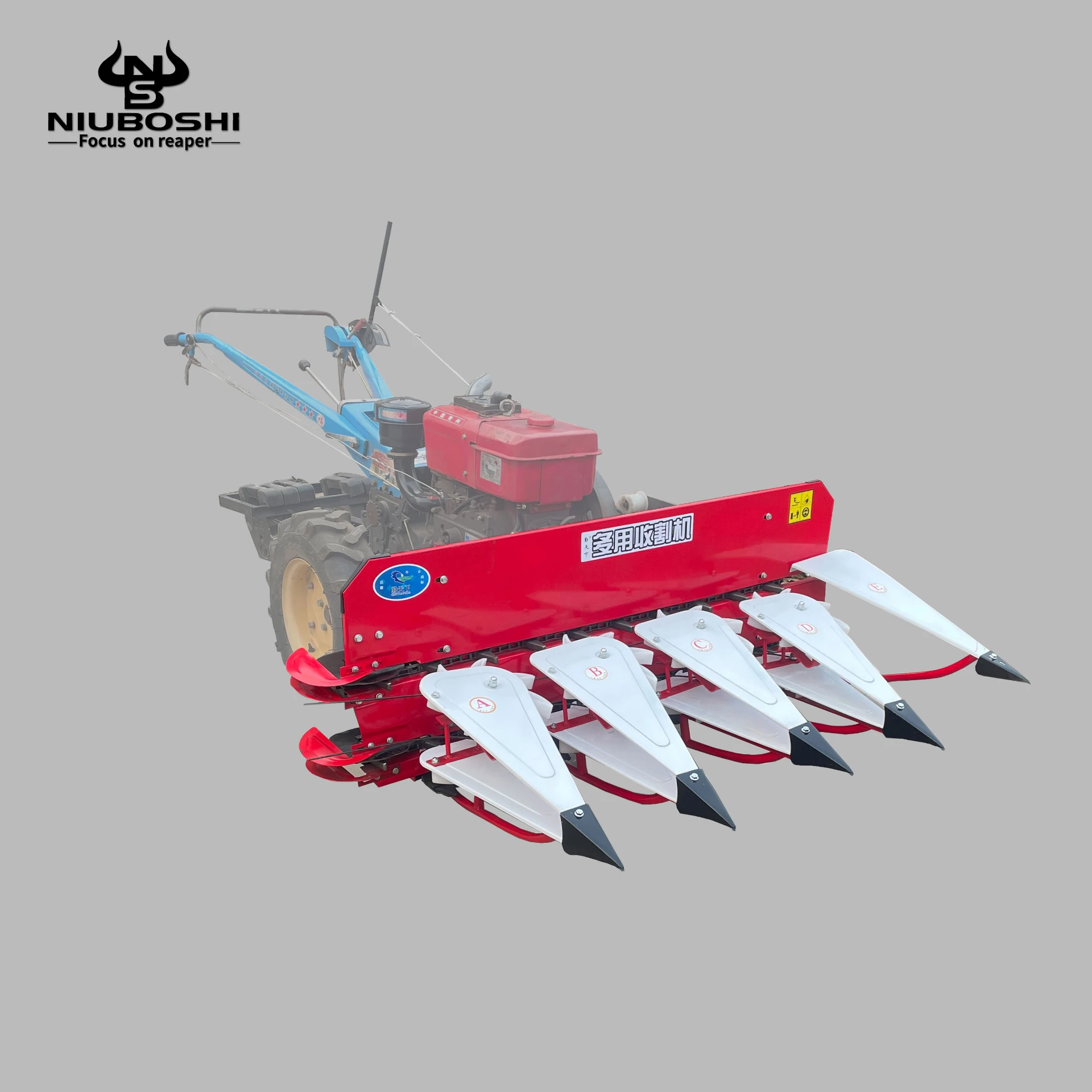
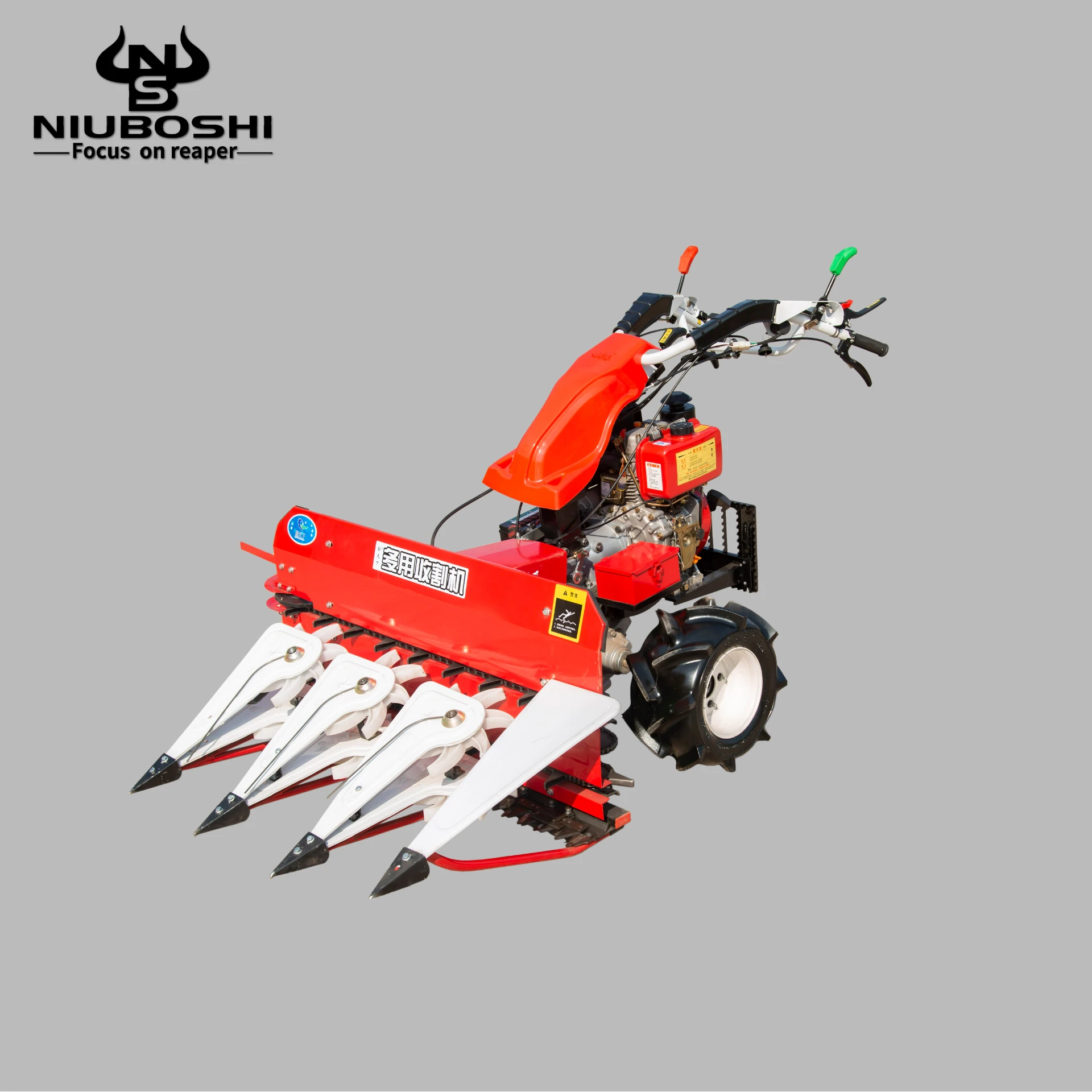
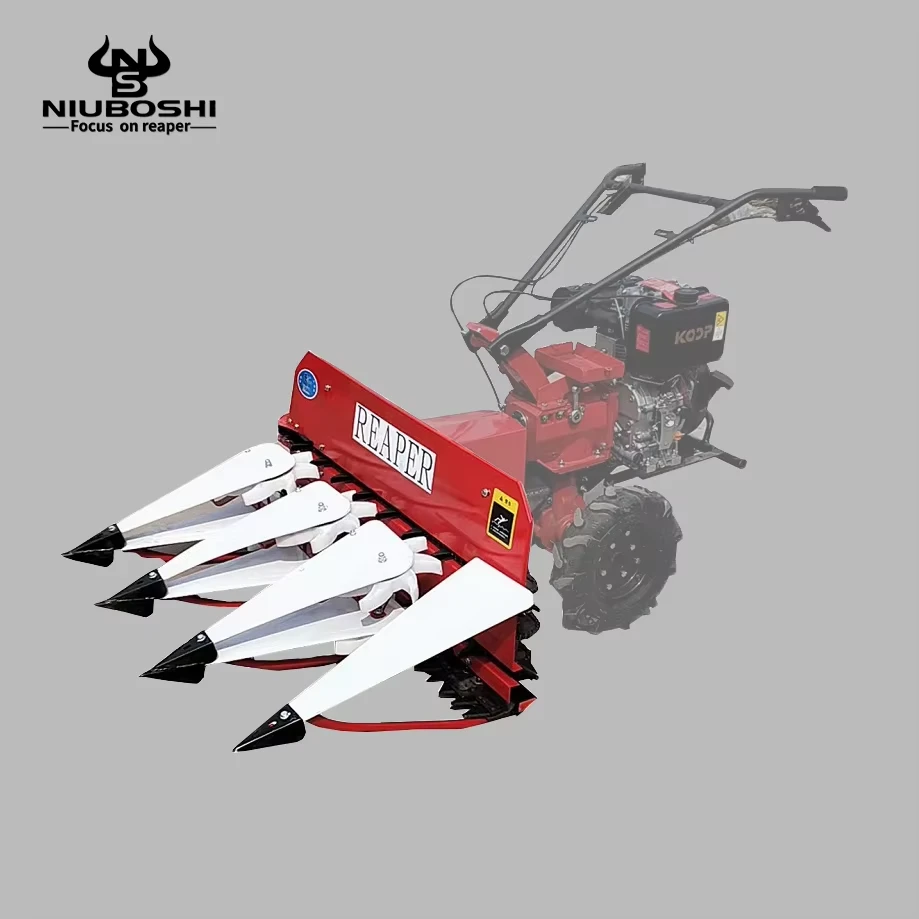
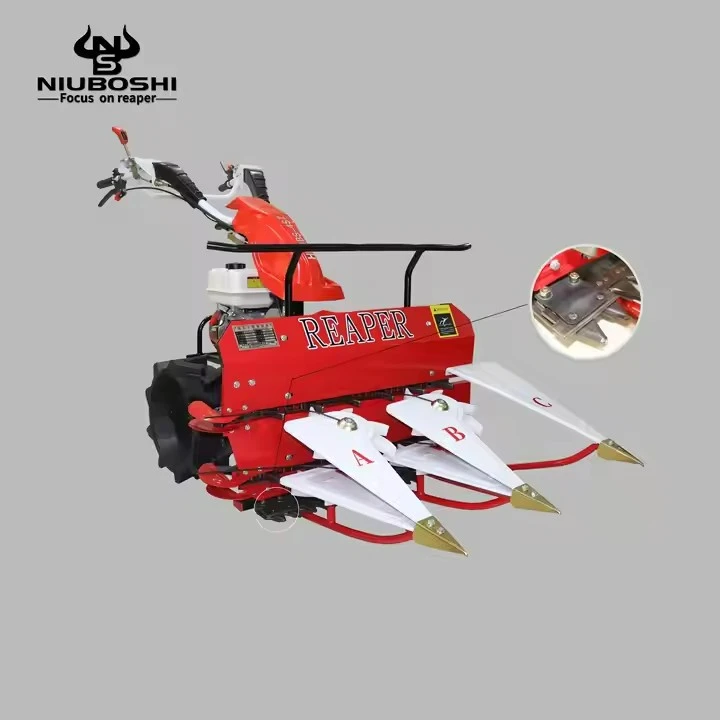
Advanced Forage Solutions for Ecuador: High-Efficiency forage harvester

Optimizing crop recovery and livestock feed production across the diverse Andean and Coastal terrains of Ecuador with precision engineering.

Advanced Forage Solutions for Ecuador: High-Efficiency forage harvester

Our comprehensive range of harvesting machinery is designed to handle the specific moisture levels and crop densities found in the Ecuadorian agricultural sector, ensuring maximum yield and minimal waste.

Current State of Harvesting Mechanization in Ecuador

Analyzing the transition from manual labor to mechanized reaper machine operations in the Andean region.

Agriculture in Ecuador is characterized by a stark contrast between large-scale coastal plantations and small-scale Andean highlands. In many highlands areas, the reliance on manual scything for forage has remained high due to the rugged topography, creating an urgent need for a compact mini reaper binder that can navigate steep slopes without compromising efficiency.

The current market sees a growing demand for integrated solutions. Farmers are moving away from simple cutting tools toward a specialized reaper harvester that can combine cutting and gathering, reducing the labor cost which has risen significantly in provinces like Chimborazo and Cotopaxi.

Climate volatility in South America, specifically the unpredictable rainfall in the Ecuadorian sierra, requires machinery that can operate in high-humidity conditions. The adoption of a robust grass reaper machine has become essential for ensuring timely fodder collection before heavy rains degrade the nutrient quality of the crop.
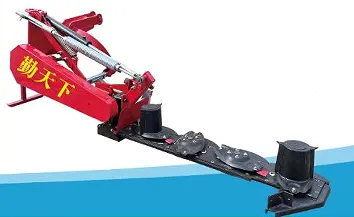
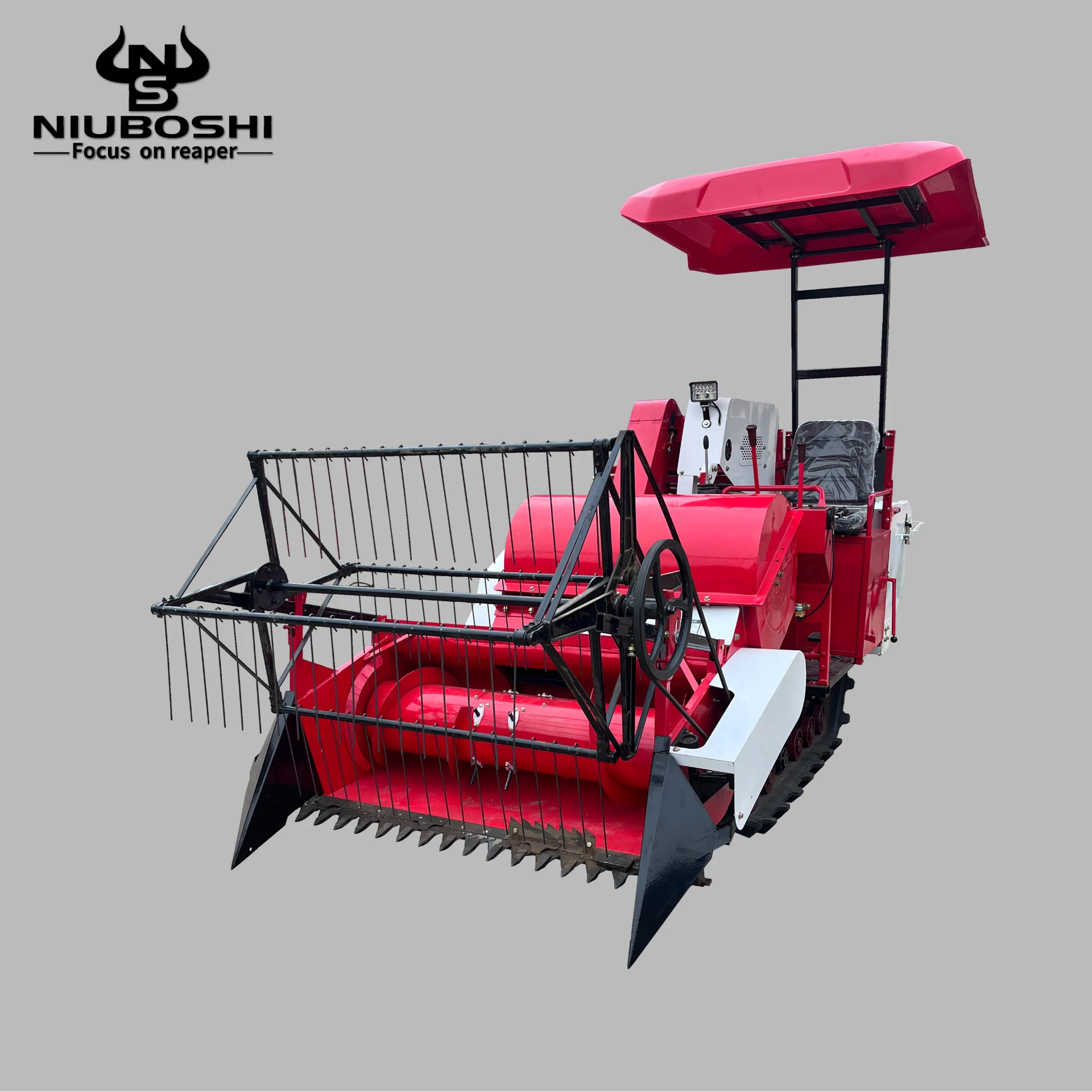
Evolution of Harvesting Technology in Ecuador

From traditional hand-reaping to the era of precision automated harvesting.

Market Development History

Between 1990 and 2010, the Ecuadorian forage market relied primarily on imported heavy machinery designed for North American plains, which often proved too bulky for the fragmented land parcels of the Andes.

From 2011 to 2020, a shift occurred toward "Appropriate Technology." The introduction of the reaper machine adapted for smaller tractors allowed mid-sized farms to increase their daily acreage recovery by 40%.

Since 2021, the focus has shifted toward versatility. The integration of multifunctional headers has allowed a single machine to serve as both a forage cutter and a binder, optimizing the capital expenditure for local cooperatives.

Future Development Trends

Miniaturization for Slope Farming

Development of ultra-lightweight chassis to allow the mini reaper binder to operate on slopes exceeding 20 degrees safely.

Smart Feed Management

Integration of sensors to monitor crop moisture in real-time, adjusting the cutting height of the harvester automatically to maximize nutrient intake.

Hybrid Power Systems

A transition toward electric or hybrid drive systems for small-scale harvesters to reduce carbon emissions in ecologically sensitive Andean cloud forests.

Industry Trends and Future Outlook (2024-2029)

Predicting the trajectory of agricultural mechanization based on regional search data and economic shifts.

Precision Cutting Accuracy
Increased demand for laser-guided cutting heights to protect soil health and reduce crop residue waste.
Modular Attachment Systems
Rapid-switch headers that allow one machine to transition between grass and grain reaping.
Autonomous Field Mapping
AI-driven path optimization to reduce fuel consumption and overlap during harvesting cycles.
Low-Maintenance Alloy-Steel
Adoption of corrosion-resistant materials to withstand the high salinity of coastal farming areas.

Industry Outlook

The Ecuadorian market is expected to see a 15% CAGR in the adoption of small-to-medium harvesting machinery. This is driven by the government's push for agricultural modernization and the need to secure domestic forage supplies amid global supply chain instability.

We anticipate that the integration of IoT for fleet management will become standard, allowing farm owners to track the efficiency of their reaper harvester units across multiple disconnected plots via mobile applications.

Localized Application Scenarios in Ecuador

Tailored machinery deployment for Ecuador's unique geographic zones.

1. Andean Highland Dairy Forage

Deployment of the mini reaper binder in the Pichincha province for small-scale alfalfa harvesting, where tight turns and steep inclines make larger machines impractical.

2. Coastal Tropical Grass Management

Using heavy-duty grass reaper machine units in the Guayas region to manage thick, high-moisture tropical grasses for cattle grazing.

3. Large-Scale Silage Production

Utilization of high-capacity forage harvester systems for maize silage in the lowland plains, ensuring rapid processing to prevent nutrient fermentation.

4. Cooperative Grain Recovery

Implementing a shared reaper harvester model among smallholder cooperatives in the Manabí region to synchronize harvest times and reduce costs.

5. Sustainable Organic Fodder Collection

Applying low-impact reaper machine configurations in organic certified farms to minimize soil compaction and preserve biodiversity.

Brand Story

Global Development History of Hebei Niuboshi Mechanical Equipment Co., Ltd.

Foundation of Engineering Excellence

Started with a vision to bridge the gap between industrial power and farm-scale accessibility in crop harvesting.

Technological Breakthroughs

Developed the first generation of compact binders that solved the "clogging" issue in high-moisture forage.

Global Market Expansion

Expanded operations into South America, adapting designs specifically for the Andean terrain and tropical climates.

Commitment to Sustainability

Launched a series of energy-efficient motors that reduce fuel consumption by 20% without losing torque.

Industry Leadership Today

Now a leading provider of specialized harvesting machinery, solving the labor shortage crisis for farmers worldwide.

Complete Harvesting Portfolio for Ecuador

A curated selection of machinery designed for the unique ecological zones of Ecuador.

Frequently Asked Questions for Ecuadorian Farmers

Expert answers regarding the deployment of harvesting machinery in South America.

How does a mini reaper binder perform on steep Andean slopes?

Our mini binder features a low center of gravity and reinforced stability frames, specifically engineered to maintain balance and cutting precision on the uneven terrains common in the Ecuadorian highlands.

Which forage harvester is best for high-humidity tropical grass?

For tropical regions like Guayas, we recommend our high-torque forage harvester with anti-clogging feed rollers and stainless steel blades to prevent corrosion from high moisture levels.

Can a grass reaper machine be attached to small utility tractors?

Yes, our equipment is designed with universal PTO (Power Take-Off) compatibility, allowing it to be seamlessly integrated with most small to medium tractors used in Ecuadorian agriculture.

What is the maintenance cycle for a reaper harvester in dusty conditions?

In dry coastal areas, we recommend a daily cleaning of the air filters and a weekly lubrication of the cutting joints to ensure the longevity of the mechanical components.

How do I choose between a reaper machine and a full binder?

If you have a large manual labor force for bundling, a reaper machine is cost-effective. However, if you aim to reduce labor costs, the binder is the ideal choice as it automates the tying process.

Are there spare parts available for forage equipment in Ecuador?

We maintain a strategic supply chain and partner with local distributors to ensure that wear-and-tear parts like blades and belts are readily available across the country.

Ready to Modernize Your Harvest?

Contact our technical specialists to find the perfect machinery configuration for your farm in Ecuador.

Contact Us Now

If you are interested in our products, you can choose to leave your information here, and we will be in touch with you shortly.