
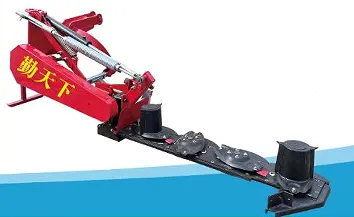
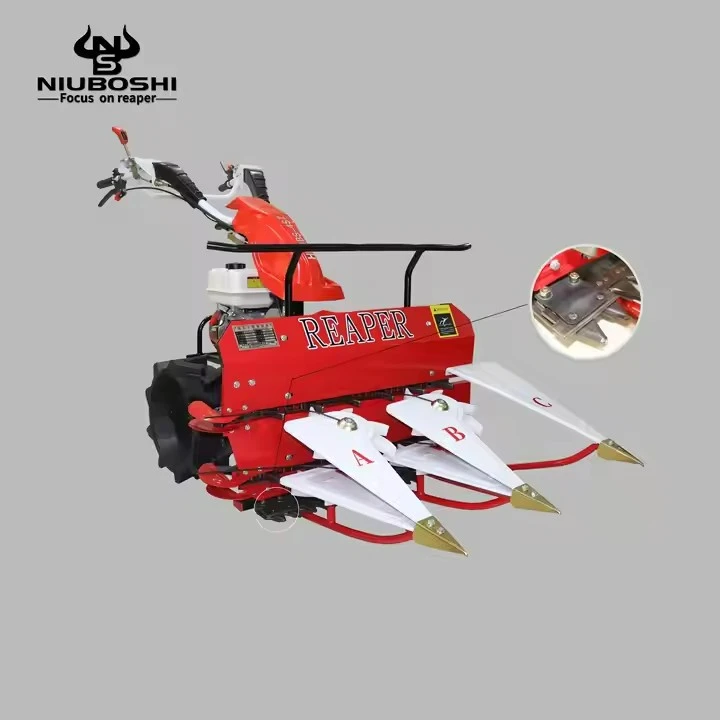
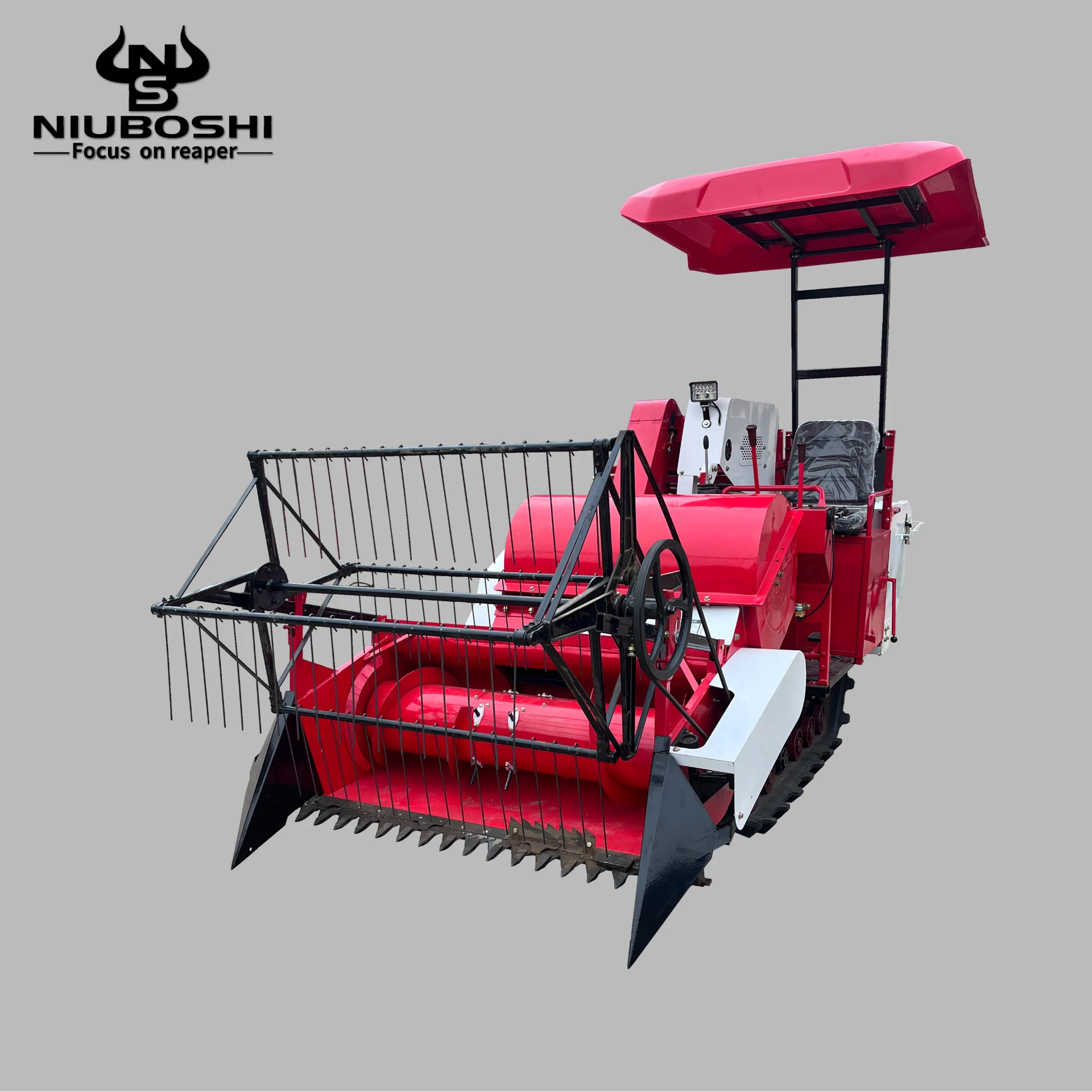
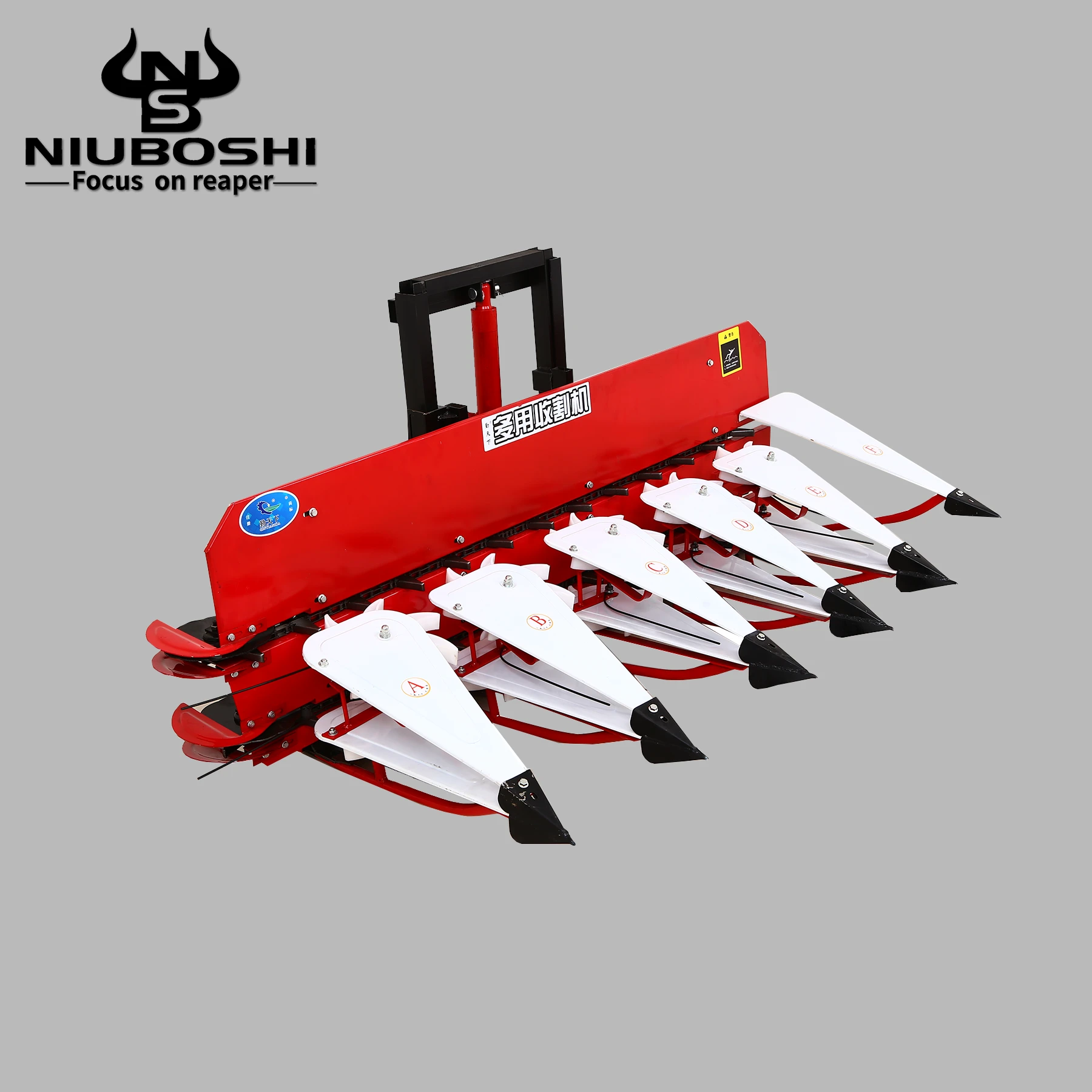
High-Efficiency reaper harvester Solutions for Uruguay Agriculture

Optimizing forage and grain collection across the Uruguayan pampas with precision-engineered harvesting technology.

High-Efficiency reaper harvester Solutions for Uruguay Agriculture

Providing robust, scalable, and technologically advanced harvesting machinery tailored for the specific soil and crop conditions of South America's agricultural heartlands.

The Current Landscape of Harvesting in Uruguay

Analyzing the transition from manual labor to mechanized forage collection.

Uruguay's agricultural sector is characterized by its vast grasslands and a strong emphasis on livestock and forage production. The demand for a reliable forage harvester has increased significantly as farmers seek to improve the nutritional quality of winter feed through timely harvesting.

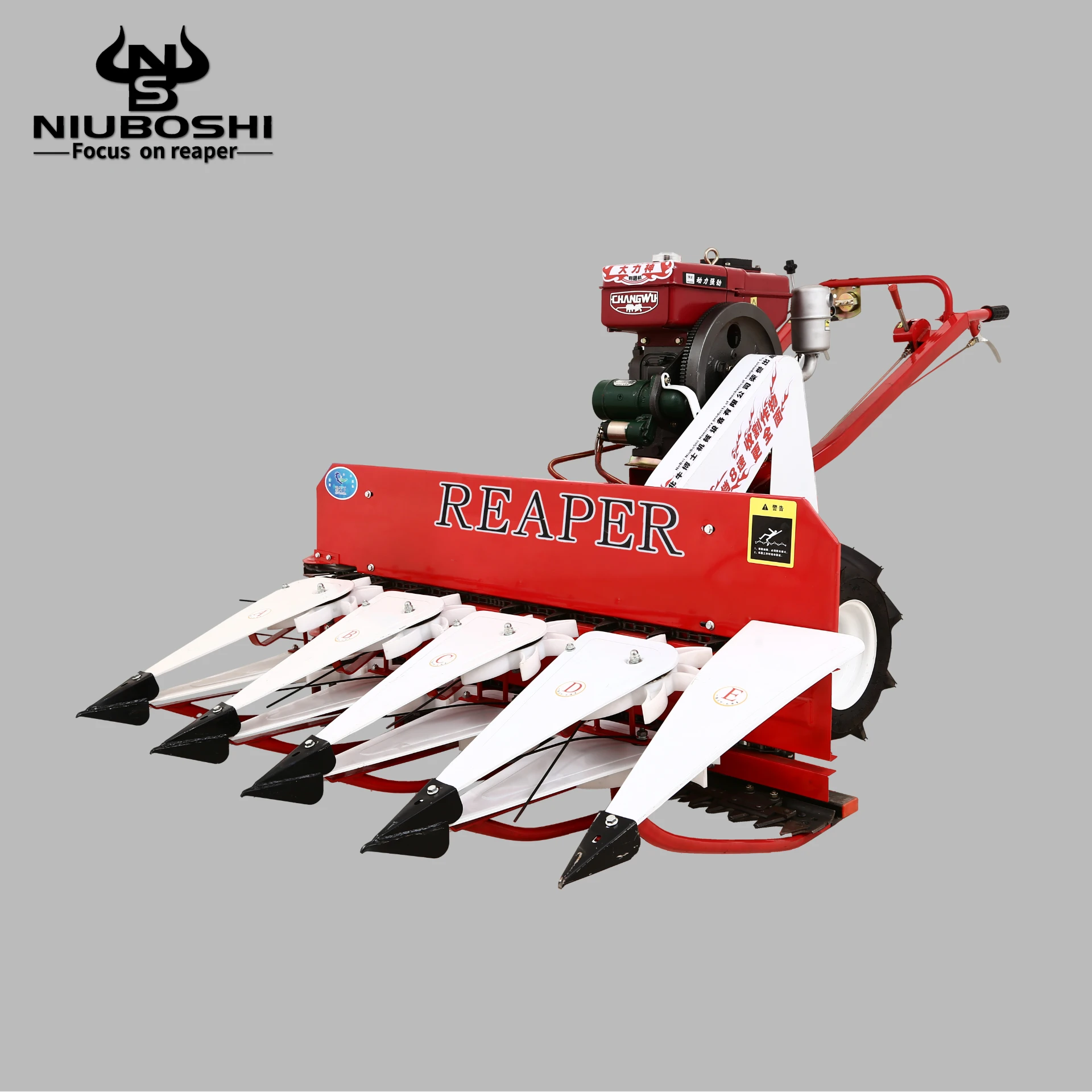
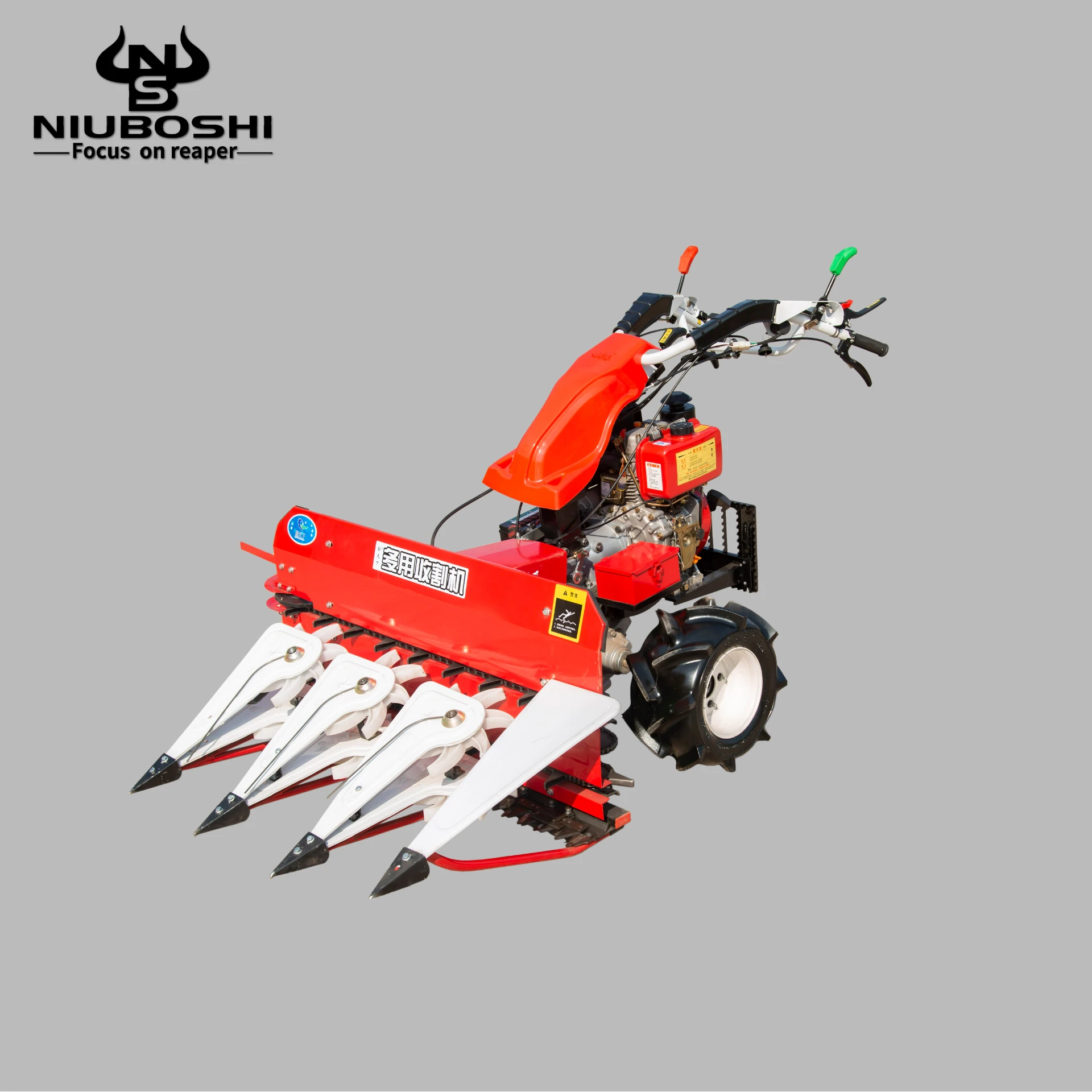
Current operations often struggle with the balance between large-scale industrial farming and small-scale family holdings. The integration of a mini reaper binder has become essential for smaller plots where maneuverability is key to preventing crop damage and reducing soil compaction.

Despite the adoption of machinery, weather volatility in the Rio de la Plata region necessitates equipment that can operate efficiently in high-humidity conditions, driving the need for corrosion-resistant and high-torque reaper machine units.
Evolution and Trajectory of Harvesting Technology

From traditional scything to autonomous precision harvesting.

Market Development History

Historically, harvesting in Uruguay relied heavily on manual labor and animal-drawn implements. By the mid-20th century, the introduction of basic motorized cutting tools marked the first wave of mechanization, replacing scythes with early mechanical blades.

Between 1990 and 2010, the market saw a shift toward specialized machinery. The introduction of the grass reaper machine allowed for faster forage turnaround, enabling farmers to maximize the growth cycles of native Uruguayan grasses.

In the last decade, the focus has shifted toward "Precision Agriculture." Modern machines now integrate hydraulic height controls and optimized cutting geometry to reduce waste and improve the efficiency of biomass collection.

Future Development Trends

IoT-Enabled Field Monitoring

Integration of sensors to monitor crop density and moisture in real-time, adjusting cutting speed automatically to maintain forage quality.

Sustainable Energy Integration

A transition toward hybrid or electric power units for smaller harvesting equipment to reduce carbon footprints in accordance with regional environmental goals.

Modular Attachment Systems

Development of universal chassis that allow a single power unit to switch between different harvester heads depending on the crop type.

Industry Trends and Future Outlook

Strategizing for the next era of South American crop management.

Automation Integration
Increasing adoption of GPS-guided cutting paths to minimize overlap and fuel consumption.
Material Lightweighting
Using high-strength alloys to reduce machine weight, preventing soil compaction in wet Uruguayan soils.
Energy Efficiency
Optimizing engine torque-to-weight ratios to lower operational costs per hectare.
Precision Cutting
Advanced blade geometry designed to handle the specific fiber toughness of South American forage.

Industry Outlook

Looking forward, the Uruguayan market is expected to shift toward integrated harvesting systems. Google search trends indicate a rising interest in "low-maintenance agricultural machinery," suggesting that durability and ease of local repair will be the primary competitive advantages for manufacturers.

Furthermore, the push for sustainable livestock farming will likely drive the demand for machines that can selectively harvest forage, preserving the soil's natural ecosystem while ensuring high-yield fodder production for the winter season.

Localized Application Scenarios in Uruguay

Practical implementations for various farming scales and crop types.

1. Intensive Dairy Forage Collection

Utilizing high-capacity units to harvest alfalfa and clover in the southern regions, ensuring maximum nutrient retention for dairy cattle feed.

2. Small-Scale Organic Grain Harvesting

Deploying the mini reaper binder in artisanal farming communities to harvest grains without the use of heavy industrial chemicals or oversized machinery.

3. Large-Scale Pampas Grass Management

Using wide-span harvesting equipment to manage native pastures, facilitating rapid clearing and subsequent forage processing.

4. Silage Preparation for Beef Cattle

Integrating specialized forage equipment to cut and collect corn silage, critical for the winter feeding strategies of Uruguay's beef industry.

5. Terrain-Specific Slope Harvesting

Applying lightweight, high-traction machines in the hilly terrains of the north to prevent erosion while maintaining consistent harvesting speeds.

Brand Story

Global Development Journey of Hebei Niuboshi Mechanical Equipment Co., Ltd.

Engineering Foundations

Founded on the principle of agricultural empowerment, we began by solving the basic efficiency gaps in crop cutting technology.

Technological Breakthroughs

Developed patented blade geometries that reduced energy consumption by 15% while increasing cutting precision.

Global Market Expansion

Extended our reach to South America, adapting our designs to meet the rugged demands of Uruguayan and Brazilian farmers.

Commitment to Sustainability

Launched a series of eco-friendly harvesting solutions focused on reducing soil impact and carbon emissions.

Future Vision

Striving to lead the industry toward fully autonomous, zero-emission harvesting ecosystems worldwide.

Complete Harvesting Portfolio for Uruguay

A comprehensive range of machinery from mini binders to industrial forage harvesters.

Common Questions for Uruguayan Farmers

Expert answers to technical and operational queries.

Which grass reaper machine is best for humid Uruguayan climates?

We recommend models with galvanized steel frames and anti-corrosion coatings to withstand the high humidity of the Rio de la Plata region.

How does a mini reaper binder improve small-plot efficiency?

It combines cutting and binding into one step, drastically reducing the manual labor required for gathering and transporting grain bundles.

What is the maintenance cycle for a reaper harvester in intensive use?

For intensive forage collection, we suggest blade sharpening every 50 hectares and a full transmission check after each harvest season.

Can a forage harvester handle thick native Uruguayan grasses?

Yes, our high-torque forage models are specifically designed with reinforced cutting drums to process dense biomass without clogging.

Are these reaper machine models compatible with standard tractors?

Our equipment uses universal PTO (Power Take-Off) connections, ensuring compatibility with most major tractor brands used in South America.

How do I optimize fuel consumption when using a reaper harvester?

Maintain optimal blade sharpness and adjust the ground speed based on crop density to ensure the engine operates in its most efficient RPM range.

Ready to Upgrade Your Harvest?

Get expert consultation on the best harvesting machinery for your farm in Uruguay.

Contact Us Now

If you are interested in our products, you can choose to leave your information here, and we will be in touch with you shortly.