
High-Efficiency reaper harvester Solutions for Chile Agriculture

Optimizing forage and grain collection across the diverse landscapes of Chile with precision engineering and durable harvesting technology.

High-Efficiency reaper harvester Solutions for Chile Agriculture

Empowering Chilean farmers with advanced crop collection machinery designed to handle everything from lush valley forage to highland grains, ensuring maximum yield and reduced labor costs.

Agricultural Harvesting Landscape in Chile

Analyzing the integration of mechanized reaping in South America's most stable agricultural economy.

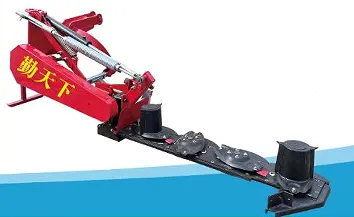
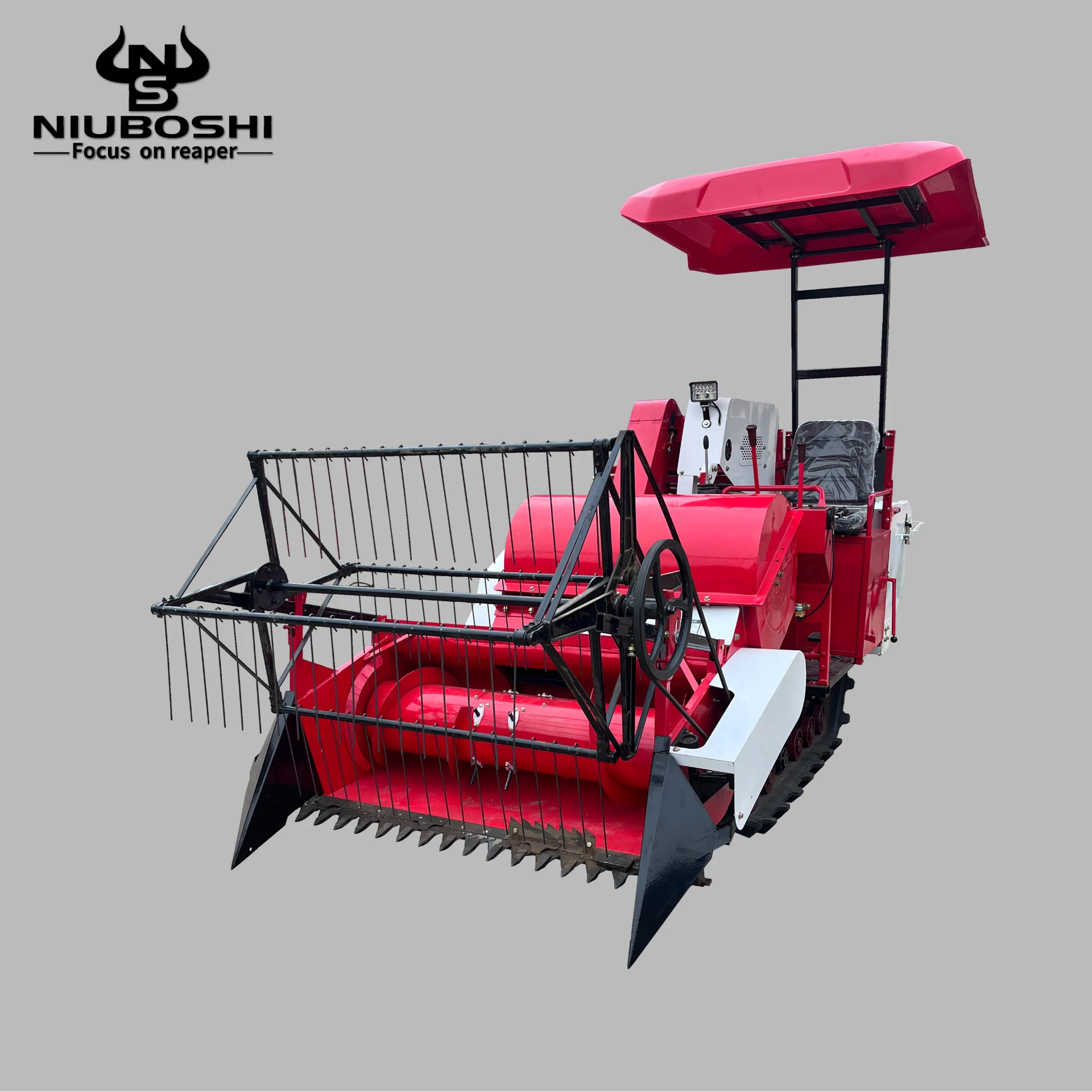
Chile's unique geography, stretching from the arid north to the humid south, creates a complex demand for harvesting equipment. In the central valleys, where forage production is critical for livestock, the adoption of a professional forage harvester has become essential to manage the rapid growth cycles of alfalfa and corn.

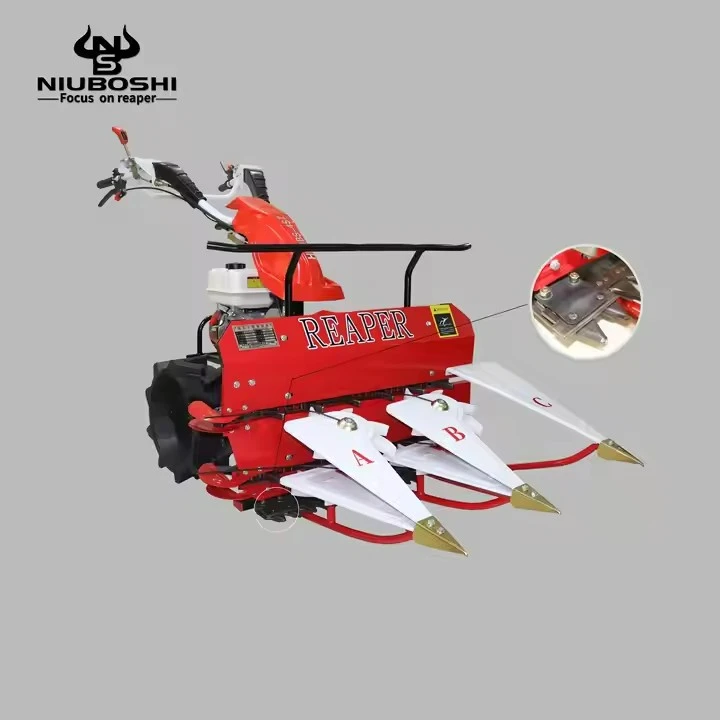
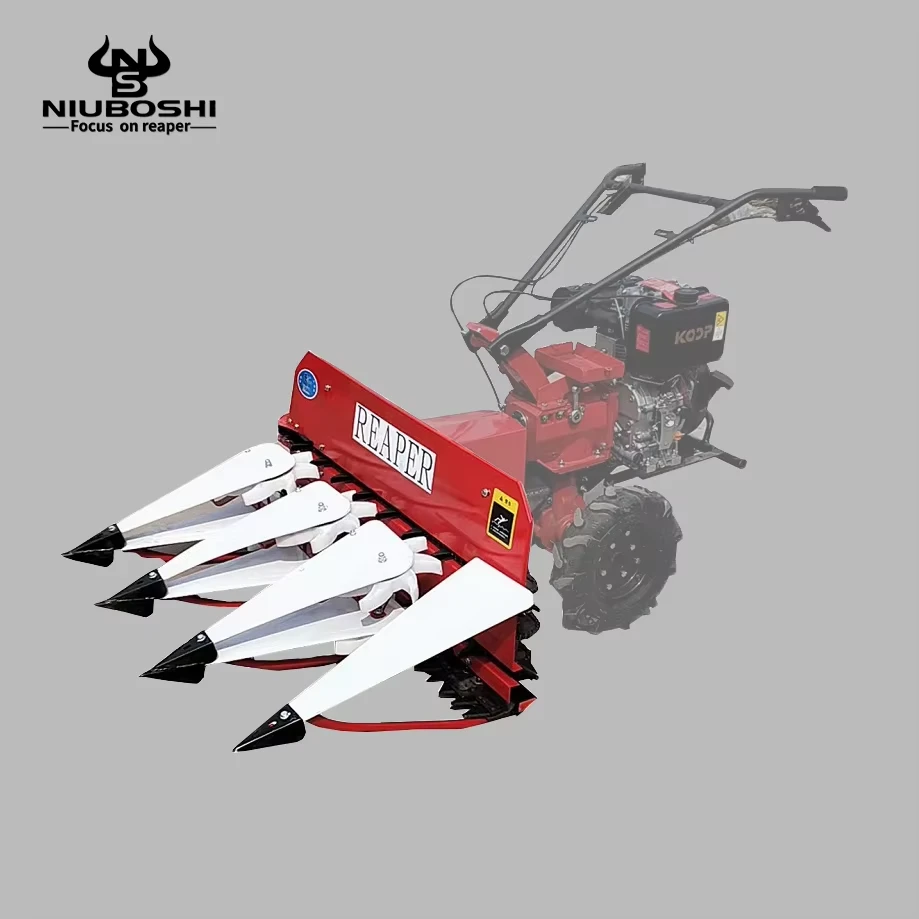
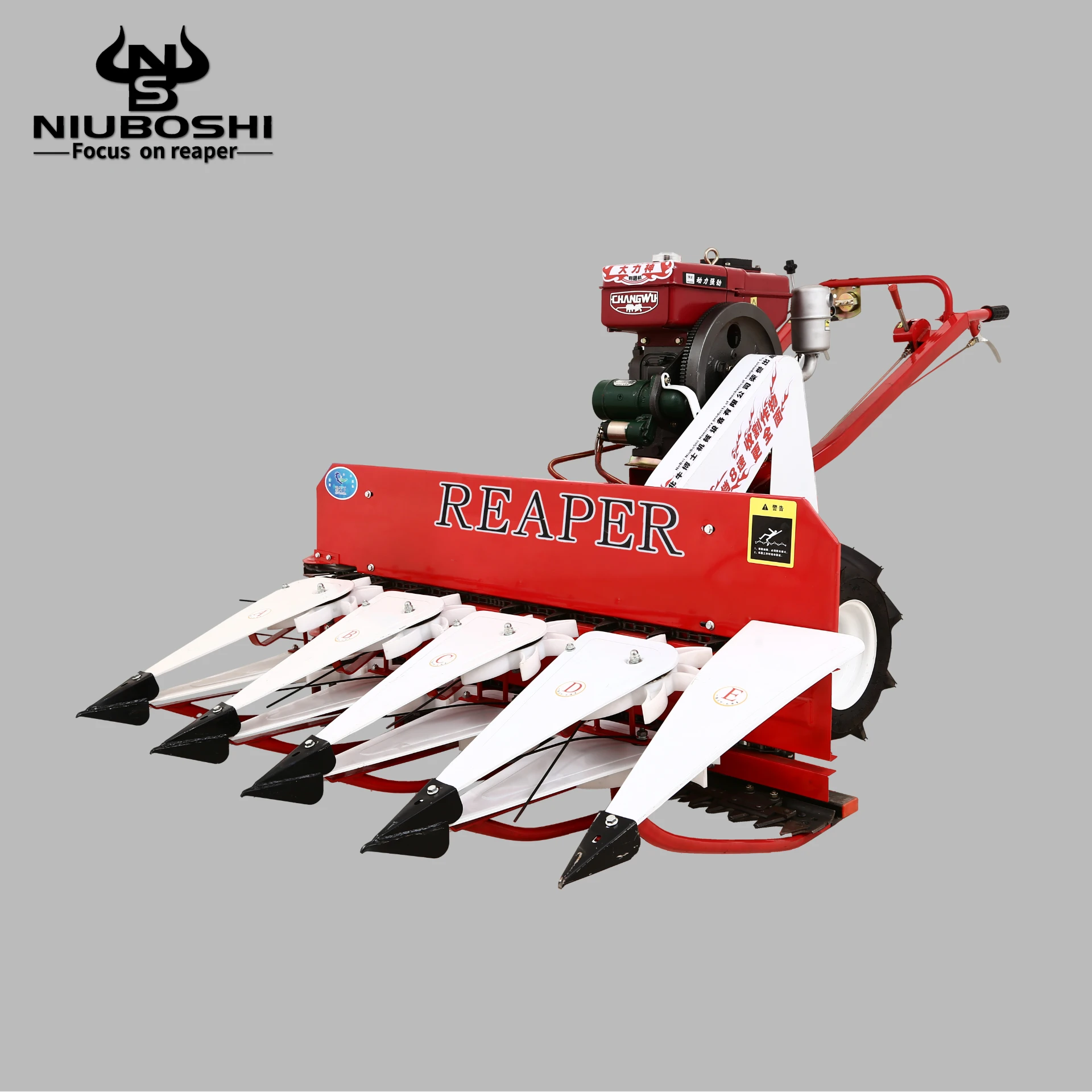
Currently, many small to medium-sized farms in the O'Higgins and Maule regions still rely on semi-manual processes. This has led to a surging demand for the mini reaper binder, which allows farmers to mechanize the cutting and bundling process without the massive capital investment of industrial combines.

The Chilean market is shifting toward "precision harvesting." With increasing labor costs and a push for export-quality fodder, the transition to a dedicated reaper machine is no longer a luxury but a necessity for maintaining global competitiveness in the agricultural sector.
Evolution and Technical Trajectory of Harvesting Gear

From traditional scythes to intelligent autonomous reaping systems.

Market Development History

Between 1980 and 2000, Chilean harvesting was dominated by manual labor and basic tractor-pulled blades. The primary focus was on durability and simple mechanical operation, with very limited automation in the forage sector.

From 2005 to 2015, the industry saw a "Mechanization Wave." The introduction of the grass reaper machine transformed the speed of pasture management, allowing for multiple cuts per season and significantly improving silage quality.

Since 2018, the focus has shifted toward versatility and compact design. The rise of organic farming and boutique crop production in Chile has accelerated the adoption of specialized, small-scale machinery that minimizes soil compaction.

Future Development Trends

IoT Integration and Telematics

Future machinery will feature real-time moisture sensing and yield mapping, allowing operators to adjust cutting heights dynamically based on crop density.

Electric Propulsion Systems

Driven by Chile's green energy goals, we expect a move toward hybrid or fully electric power units for small-scale reapers to reduce carbon footprints in protected agricultural zones.

Autonomous Swarm Harvesting

The shift toward AI-driven, unmanned mini-harvesters that can operate in coordinated groups to cover vast territories with minimal human supervision.

Industry Trends and Future Outlook

Strategic foresight into the next 5 years of crop harvesting technology in Chile.

Precision Cutting Tech
Implementation of ultra-sonic sensors to maintain optimal cutting height, reducing crop waste.
Modular Attachment Design
Interchangeable heads for different crop types, allowing one machine to serve multiple seasons.
Sustainable Materials
Use of high-strength, lightweight alloys to reduce fuel consumption and soil compaction.
Smart Fleet Management
Cloud-based tracking for maintenance schedules and operational efficiency analytics.

Industry Outlook

Based on Google search trends in South America, there is a significant increase in queries for "compact harvesting machinery" and "low-emission farm equipment." This indicates a shift toward sustainable, small-scale mechanization in Chile's diverse agricultural zones.

We predict that within the next 3-5 years, the integration of AI-driven harvesting will reduce operational costs by 20%, specifically for the forage and grass sectors, making high-tech equipment accessible to the average Chilean farm owner.

Localized Application Scenarios in Chile

Tailored harvesting solutions for Chile's specific climatic and topographic needs.

01. Central Valley Forage Production

Utilizing a high-capacity forage harvester for rapid alfalfa collection to supply the dairy industries in O'Higgins, ensuring peak nutrient retention.

02. Highland Grain Small-holdings

Deploying the mini reaper binder in the Andean foothills where steep terrain and smaller plot sizes make large combines impractical.

03. Southern Pastoral Management

Implementing the grass reaper machine for large-scale pasture maintenance in the Los Lagos region to optimize winter feed stockpiles.

04. Boutique Organic Seed Harvesting

Using a precision reaper machine to carefully harvest organic seeds without contamination, meeting strict EU and US export standards.

05. Mixed Crop Cooperative Farming

Integrating a versatile reaper harvester across cooperative farms to maximize equipment utilization rates across different crop cycles.

Brand Story

Global Development Journey of Hebei Niuboshi Mechanical Equipment Co., Ltd.

Founding Vision

Established with a mission to bridge the gap between industrial power and small-farm accessibility in crop harvesting.

Technical Breakthroughs

Developed proprietary blade geometry that reduces energy consumption by 15% while increasing cutting precision.

Global Expansion

Expanded operations to South America, adapting machinery to the specific soil and crop conditions of the Chilean market.

Quality Certification

Achieved international ISO standards, ensuring every machine delivered to Chile meets rigorous durability and safety benchmarks.

Future Commitment

Dedicated to developing the next generation of eco-friendly, AI-integrated harvesting solutions for farmers worldwide.

Complete Harvesting Portfolio for Chile

A comprehensive range of equipment designed to maximize efficiency across all Chilean agricultural zones.

Common Questions from Chilean Farmers

Expert answers to technical and operational queries regarding harvesting machinery.

Which mini reaper binder is best for steep terrains in the Andes?

For steep Chilean terrains, we recommend our lightweight, high-torque models that offer superior stability and a shorter wheelbase for better maneuverability.

How does a forage harvester improve silage quality in Central Chile?

Our forage harvesters ensure precise chop lengths and uniform cutting, which optimizes the fermentation process and increases the nutritional value of the silage.

What is the maintenance cycle for a grass reaper machine in humid southern regions?

In humid areas like Los Lagos, we suggest a weekly lubrication schedule and anti-corrosion treatment for the blades to prevent rust and maintain cutting efficiency.

Can a reaper machine be adapted for different crop types?

Yes, our machines feature modular cutting heads that can be swapped to handle various crop densities and stem thicknesses.

Is the reaper harvester compatible with standard Chilean tractors?

Our equipment is designed with universal PTO (Power Take-Off) connections, ensuring compatibility with most tractor brands used in Chile.

What are the fuel efficiency gains using a modern reaper machine?

Modernized engine tuning and optimized blade aerodynamics typically reduce fuel consumption by 10-15% compared to legacy machinery.

Ready to Upgrade Your Harvest?

Consult with our experts to find the perfect machinery for your farm in Chile.

Contact Us Now

If you are interested in our products, you can choose to leave your information here, and we will be in touch with you shortly.