
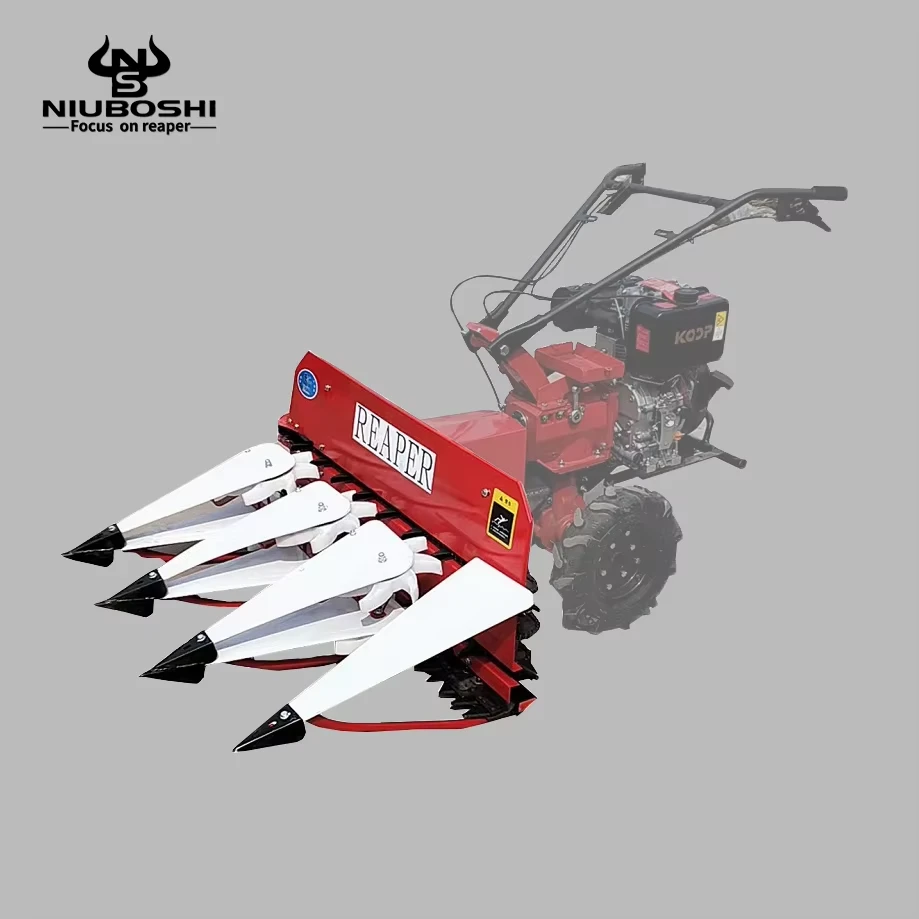
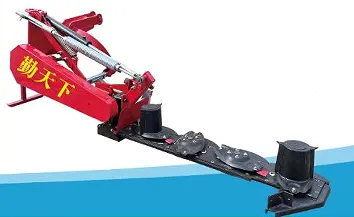
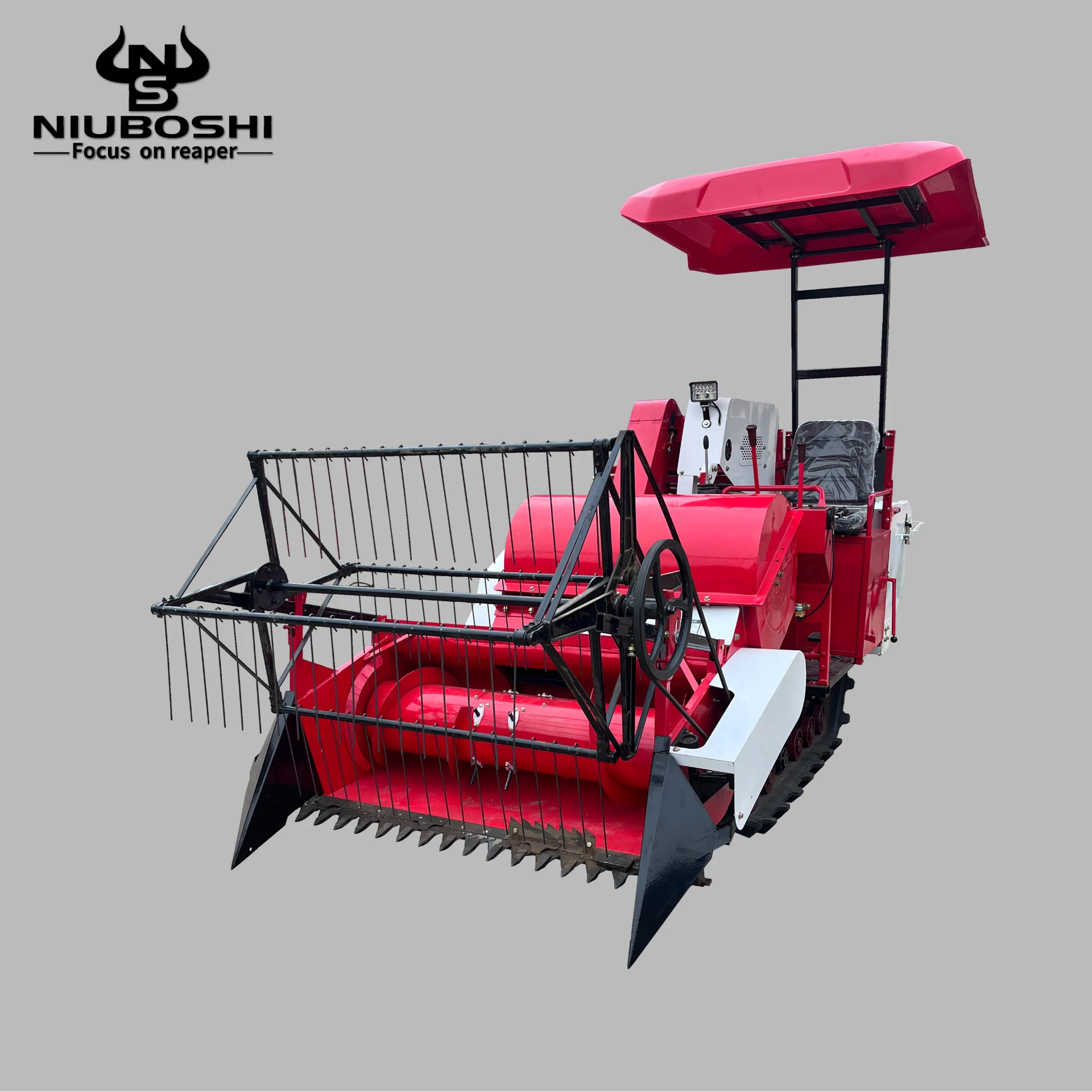
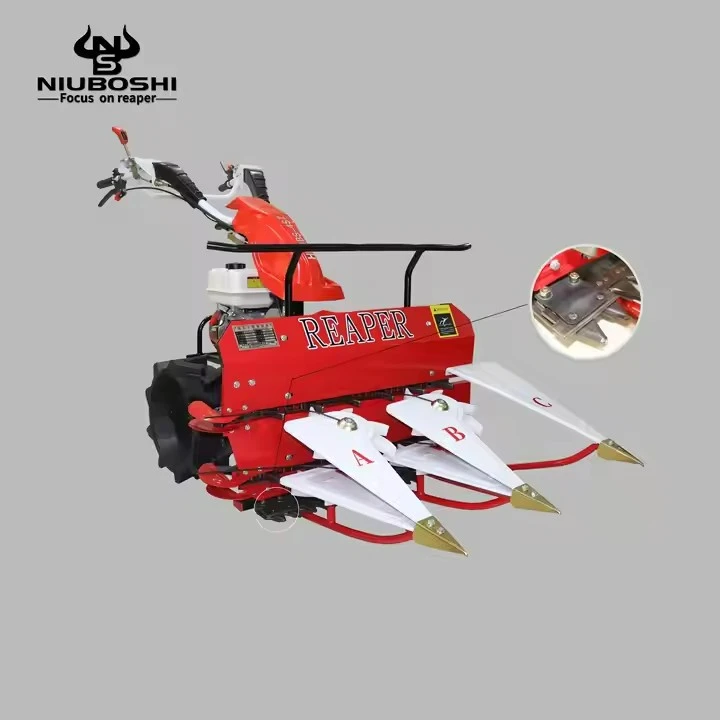
High-Efficiency forage harvester Solutions for Bolivia's Diverse Terrains

Empowering Bolivian farmers with advanced crop harvesting technology to maximize yield and reduce labor costs across the Altiplano and Lowlands.

High-Efficiency forage harvester Solutions for Bolivia's Diverse Terrains

Our specialized harvesting equipment is engineered to handle the unique agricultural challenges of Bolivia, providing durable and high-performance machinery for professional crop management.

Current State of Crop Harvesting in Bolivia

Analyzing the transition from manual labor to mechanized reaper machine adoption in South American highlands.

In Bolivia, agriculture is characterized by extreme geographical diversity, ranging from the high-altitude Altiplano to the tropical Santa Cruz lowlands. Traditionally, small-scale farmers have relied on manual cutting, which is labor-intensive and inefficient, especially during the peak harvest windows dictated by unpredictable Andean weather patterns.

The introduction of the grass reaper machine has begun to transform fodder production for livestock. However, many regions still struggle with a lack of appropriately sized machinery, as large industrial harvesters are often unsuitable for the fragmented land holdings common in rural Bolivian communities.

Economic shifts toward commercial soy and maize production in the eastern plains are driving a surge in demand for professional reaper harvester systems. There is a critical need for equipment that balances rugged durability with fuel efficiency to ensure profitability for the local agrarian economy.
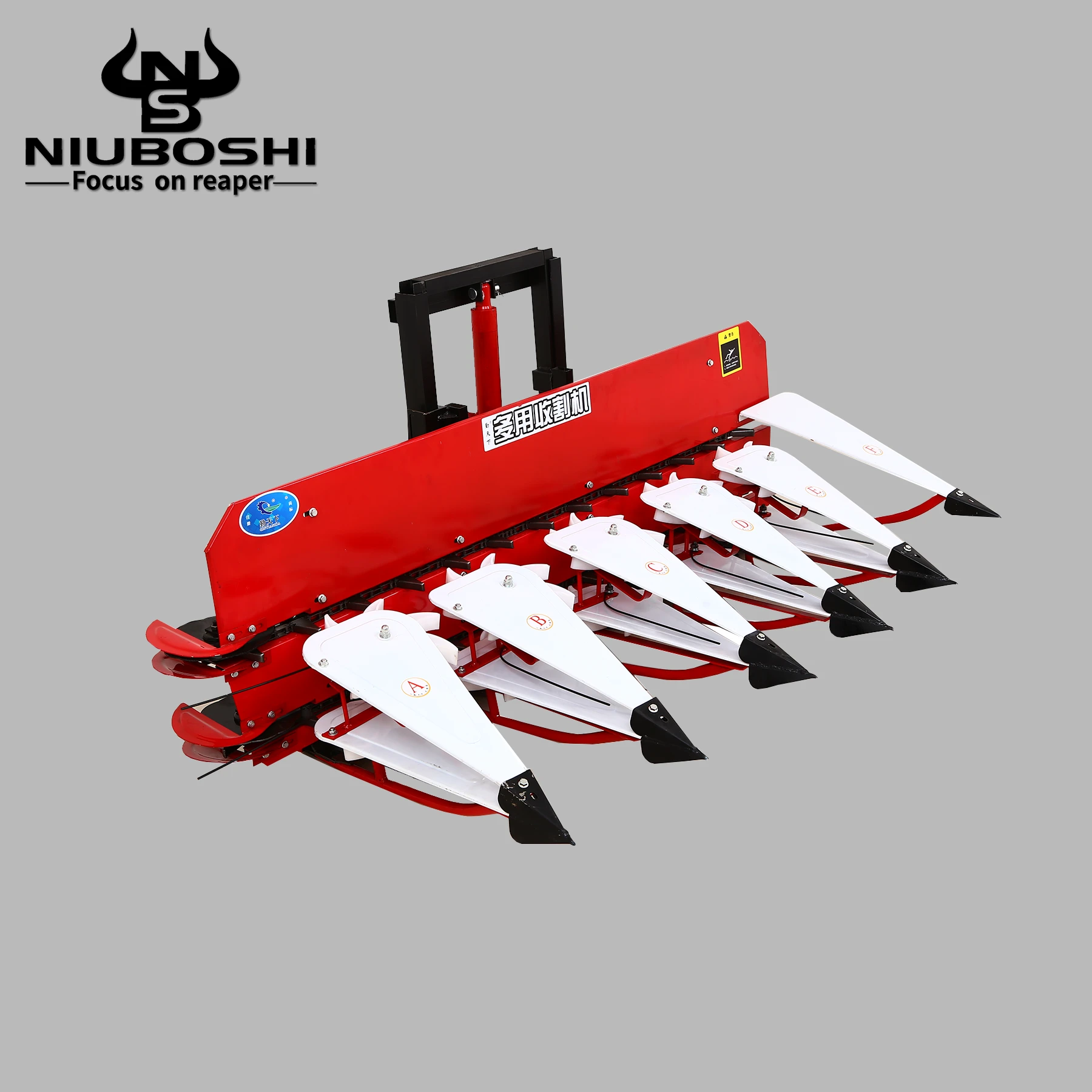
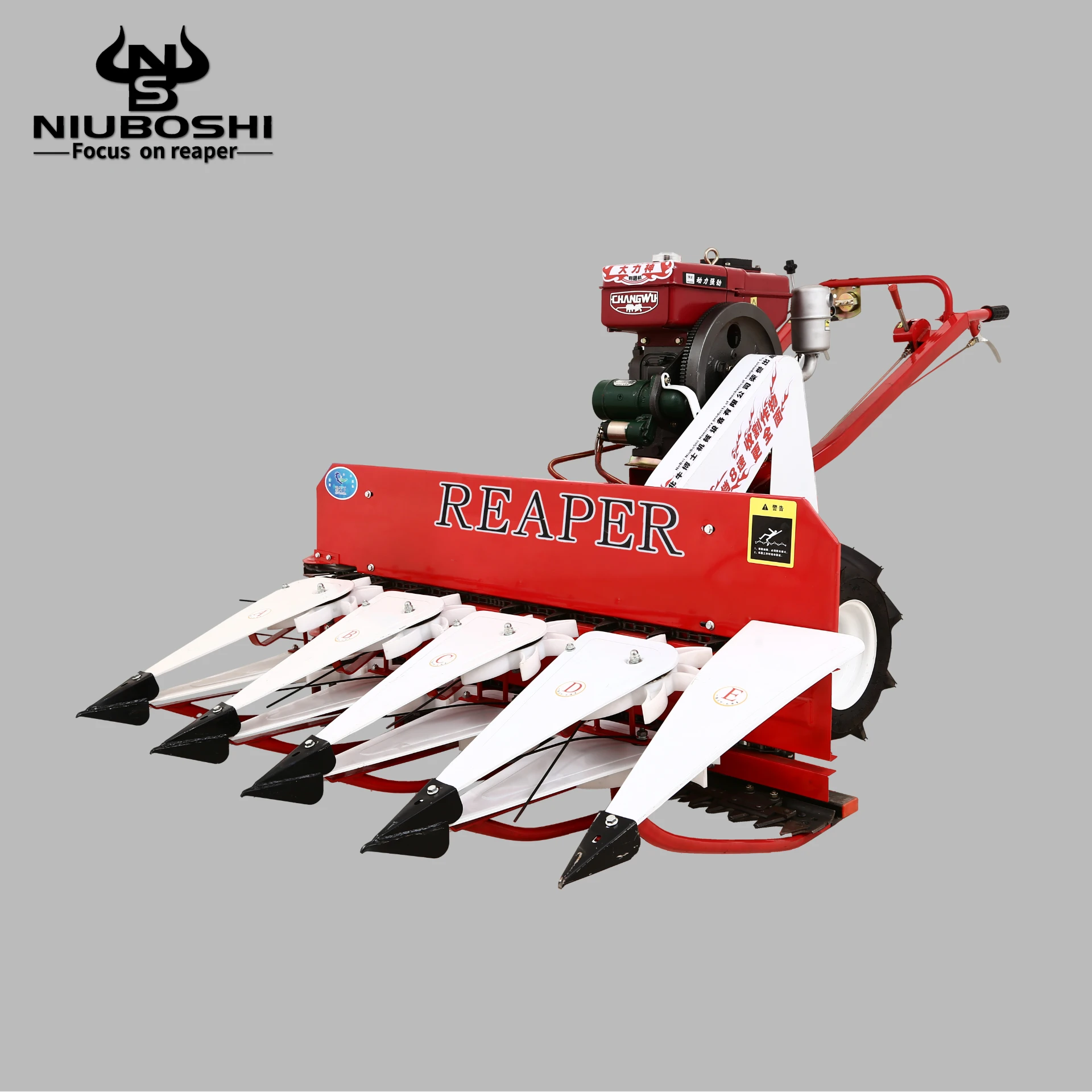
Evolution and Trajectory of Harvesting Tech

From primitive sickles to the precision of the modern mini reaper binder.

Market Development History

Prior to the 1990s, harvesting in Bolivia was almost exclusively manual or relied on animal traction. The first wave of mechanization saw the introduction of basic tractor-mounted cutters, which improved speed but lacked the ability to organize the crop for efficient collection.

Between 2000 and 2015, the market shifted toward specialized small-scale machinery. The arrival of the mini reaper binder allowed smallholders to not only cut but also bundle crops, significantly reducing the time between harvesting and storage, thereby minimizing crop spoilage.

From 2016 to the present, there has been a strategic move toward integrated forage solutions. The adoption of multi-functional machinery has allowed farmers to optimize the nutritional value of silage by precisely controlling the cut height and processing speed.

Future Development Trends

Precision GPS Integration

Future machinery will likely incorporate low-cost GPS mapping to optimize harvesting paths in the uneven terrains of the Bolivian valleys, reducing overlap and fuel consumption.

Hybrid Power Systems

With rising fuel costs, a trend toward hybrid or electric-assisted drives is expected for small-scale equipment to lower operational overhead for family farms.

Climate-Resilient Materials

Development will focus on anti-corrosive and high-strength alloys capable of withstanding the high UV radiation and humidity fluctuations of the South American climate.

Industry Trends and Future Outlook

Forecasting the technological leap in Bolivian agricultural mechanization.

Miniaturization of Equipment
Shift toward compact designs to fit the fragmented agricultural plots of the Bolivian highlands.
Modular Attachments
Development of interchangeable heads to allow one machine to serve multiple crop types.
Eco-Friendly Power
Integration of low-emission engines to comply with emerging South American green standards.
Smart Maintenance
IoT sensors for real-time wear detection of blades and belts in remote areas.

Industry Outlook

Based on search trends in the Andean region, there is a growing volume of queries regarding "cost-effective mechanization" and "small scale harvesting." This indicates a shift toward a "right-sized" machinery market where efficiency is measured by versatility rather than sheer scale.

Over the next 3-5 years, we expect the Bolivian market to transition from basic cutting to fully integrated harvesting and binding cycles, drastically reducing the post-harvest losses that currently plague the region's grain and fodder sectors.

Localized Application Scenarios in Bolivia

Practical deployment of harvesting machinery across Bolivia's unique ecological zones.

01. Altiplano Forage Collection

Utilizing the grass reaper machine for harvesting high-altitude hardy grasses to provide winter fodder for Alpacas and Llamas in the Oruro and Potosí regions.

02. Santa Cruz Grain Harvesting

Implementing the high-capacity reaper harvester for commercial soy and corn production in the eastern lowlands to maximize throughput during the short rainy season.

03. Valley Wheat Smallholdings

Deploying the mini reaper binder in the Cochabamba valleys, where narrow fields and steep slopes make large machinery impractical.

04. Tropical Silage Production

Using the forage harvester to process maize and sorghum into high-quality silage for dairy cattle in the Beni and Pando departments.

05. Community-Shared Mechanization

The use of versatile reaper machine units in farmer cooperatives, allowing shared ownership and scheduled harvesting across multiple small family plots.

Brand Story

Global Development Journey of Hebei Niuboshi Mechanical Equipment Co., Ltd.

Foundational Innovation

Established with a mission to bridge the gap between industrial power and small-farm accessibility in crop harvesting.

Technological Breakthroughs

Developed the first generation of precision binding mechanisms that reduced crop loss by 15% for small-scale farmers.

Global Market Expansion

Expanded operations into South America, adapting equipment to handle the extreme altitudes and climates of the Andes.

Commitment to Quality

Implemented rigorous ISO standards to ensure that every machine can withstand the harshest field conditions worldwide.

Sustainable Future

Now leading the transition toward eco-friendly and smart harvesting solutions for the next generation of global agriculture.

Complete Harvesting Portfolio for Bolivia

A comprehensive range of machinery tailored for the Altiplano, Valleys, and Lowlands of Bolivia.

Bolivian Farmer's Frequently Asked Questions

Expert answers regarding the operation and maintenance of harvesting machinery in Bolivia.

Which grass reaper machine is best for the high altitude of the Altiplano?

For high-altitude regions, we recommend machines with high-torque engines and reinforced cutting blades to handle the denser, tougher native grasses and the thinner air conditions of the Bolivian highlands.

How does a mini reaper binder improve wheat harvest efficiency in the valleys?

The mini reaper binder automates the cutting and tying process, eliminating the need for manual bundling. This significantly reduces labor time and prevents the grain from touching the damp soil, preserving quality.

Is the forage harvester compatible with various tropical crops in Santa Cruz?

Yes, our forage harvesters are designed with adjustable cutting heights and high-speed chopping mechanisms, making them ideal for maize, sorghum, and other tropical forage crops common in the lowlands.

What maintenance is required for a reaper machine in humid environments?

In humid regions like Beni, we recommend daily lubrication of moving parts and the use of anti-rust coatings on the blades to prevent corrosion and ensure smooth operation.

Can a reaper harvester be used for both commercial and subsistence farming?

Absolutely. Our range includes scalable models from compact units for subsistence plots to high-capacity harvesters for commercial estates, ensuring a solution for every farm size in Bolivia.

How do I choose between a grass reaper and a forage harvester?

Choose a grass reaper if you need to cut and windrow grass for drying. Choose a forage harvester if you intend to chop the crop immediately for silage or direct feed processing.

Optimize Your Harvest Today

Contact our specialists to find the perfect harvesting equipment tailored for the unique agricultural landscape of Bolivia.

Contact Us Now

If you are interested in our products, you can choose to leave your information here, and we will be in touch with you shortly.