
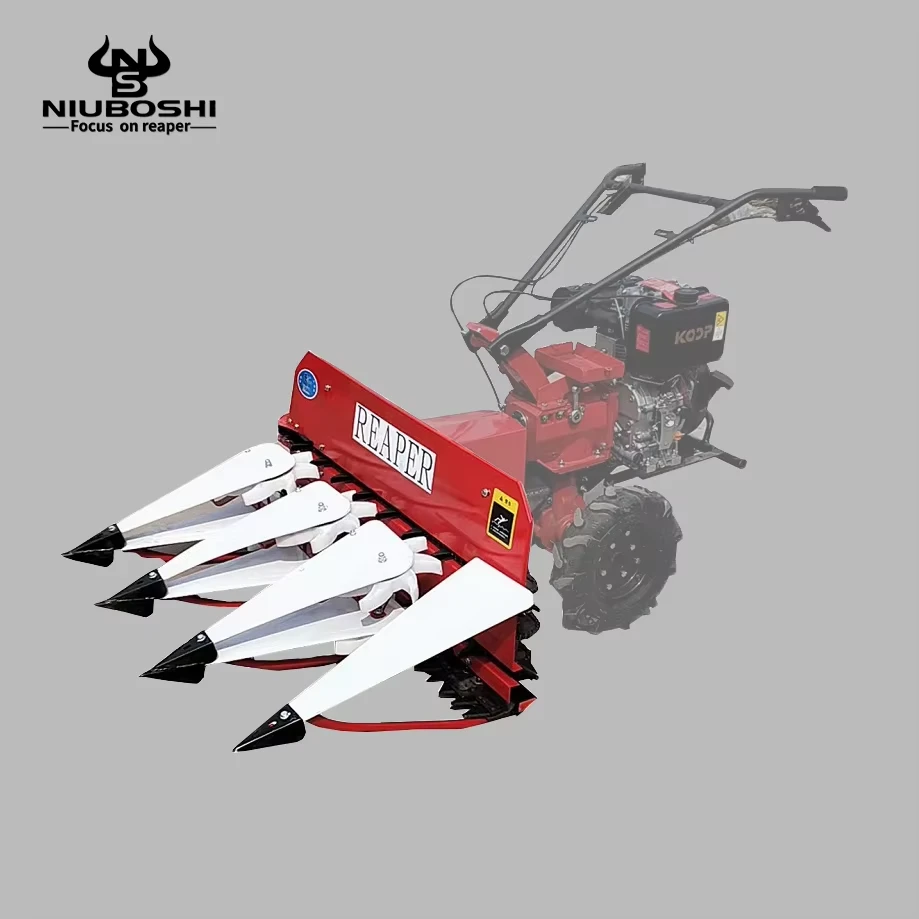
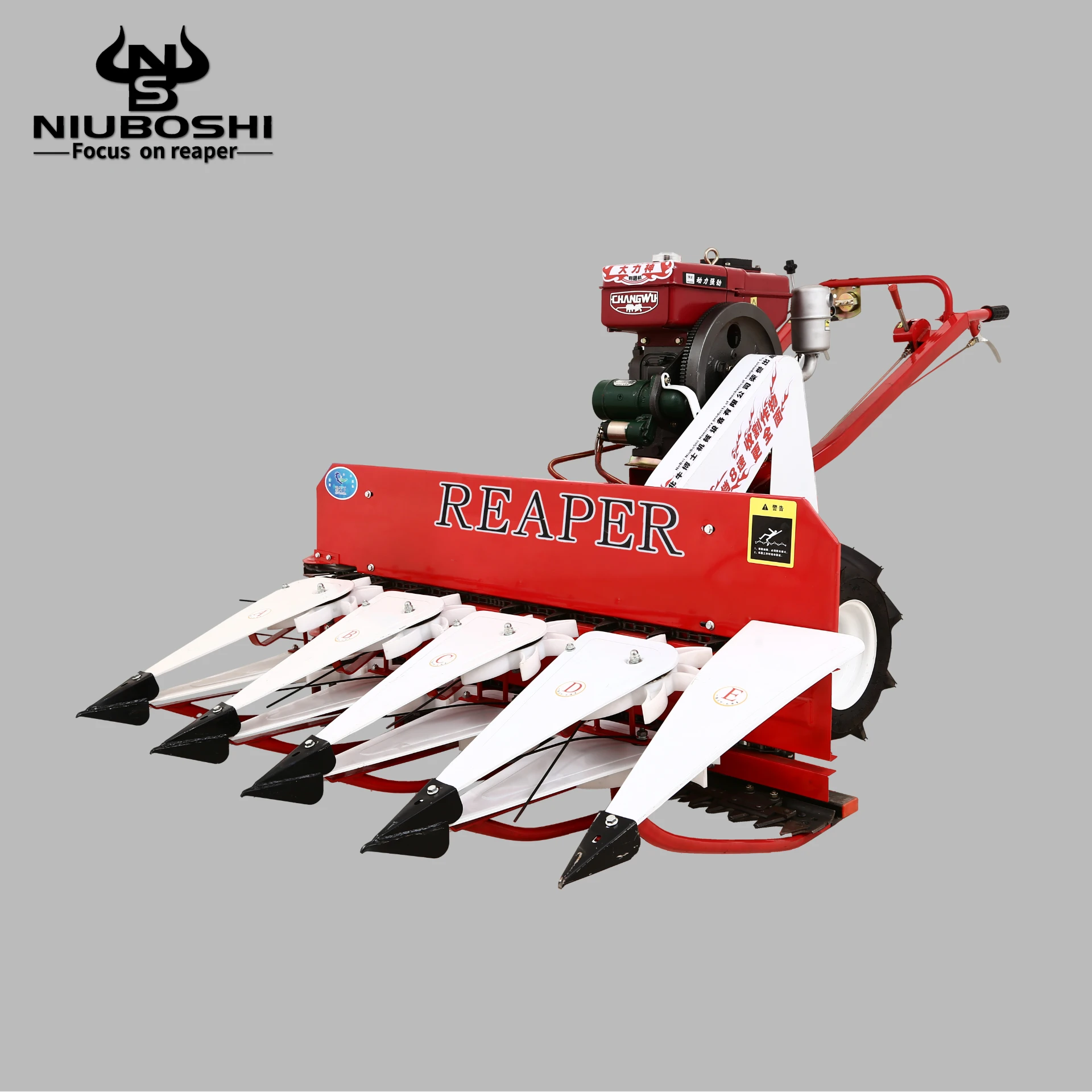
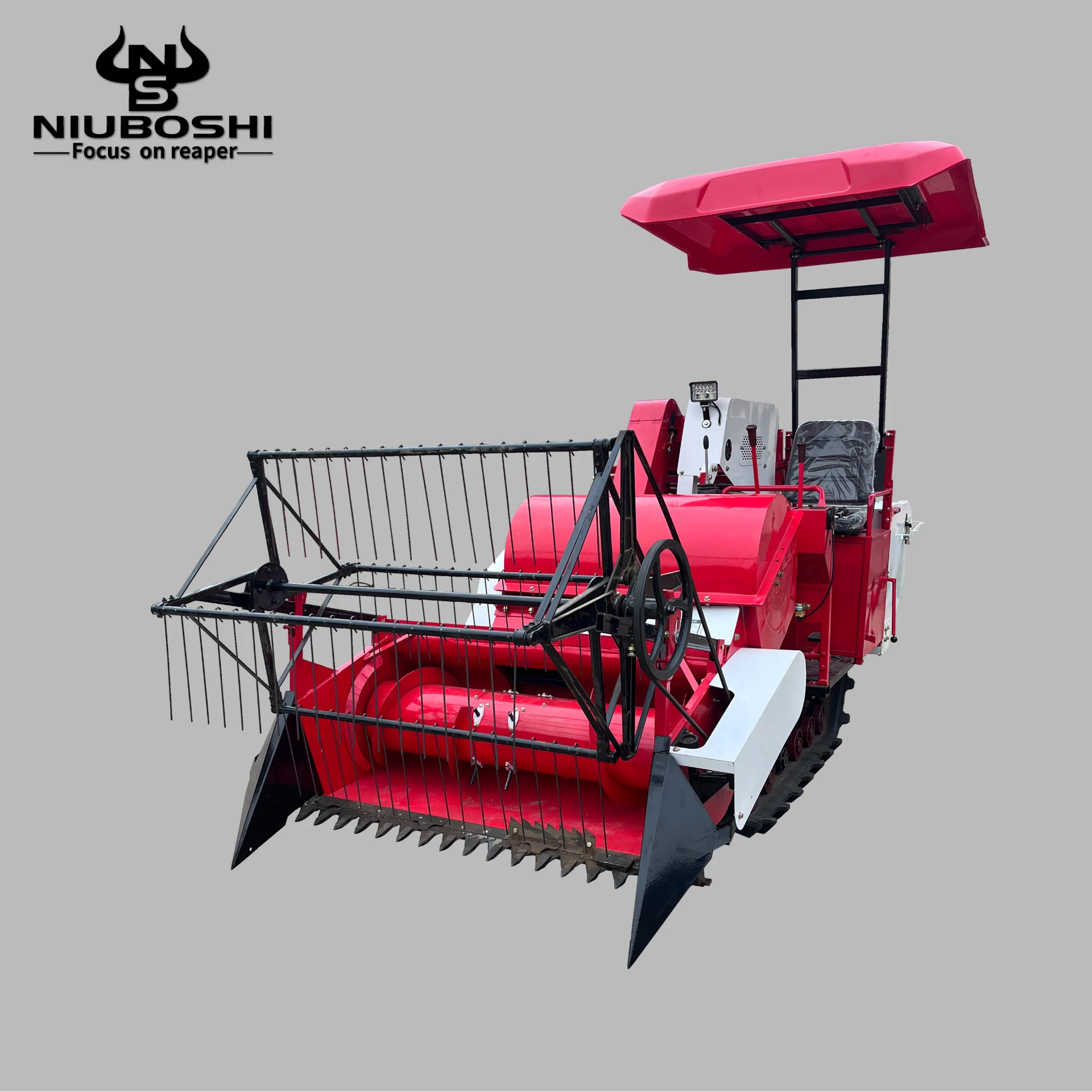
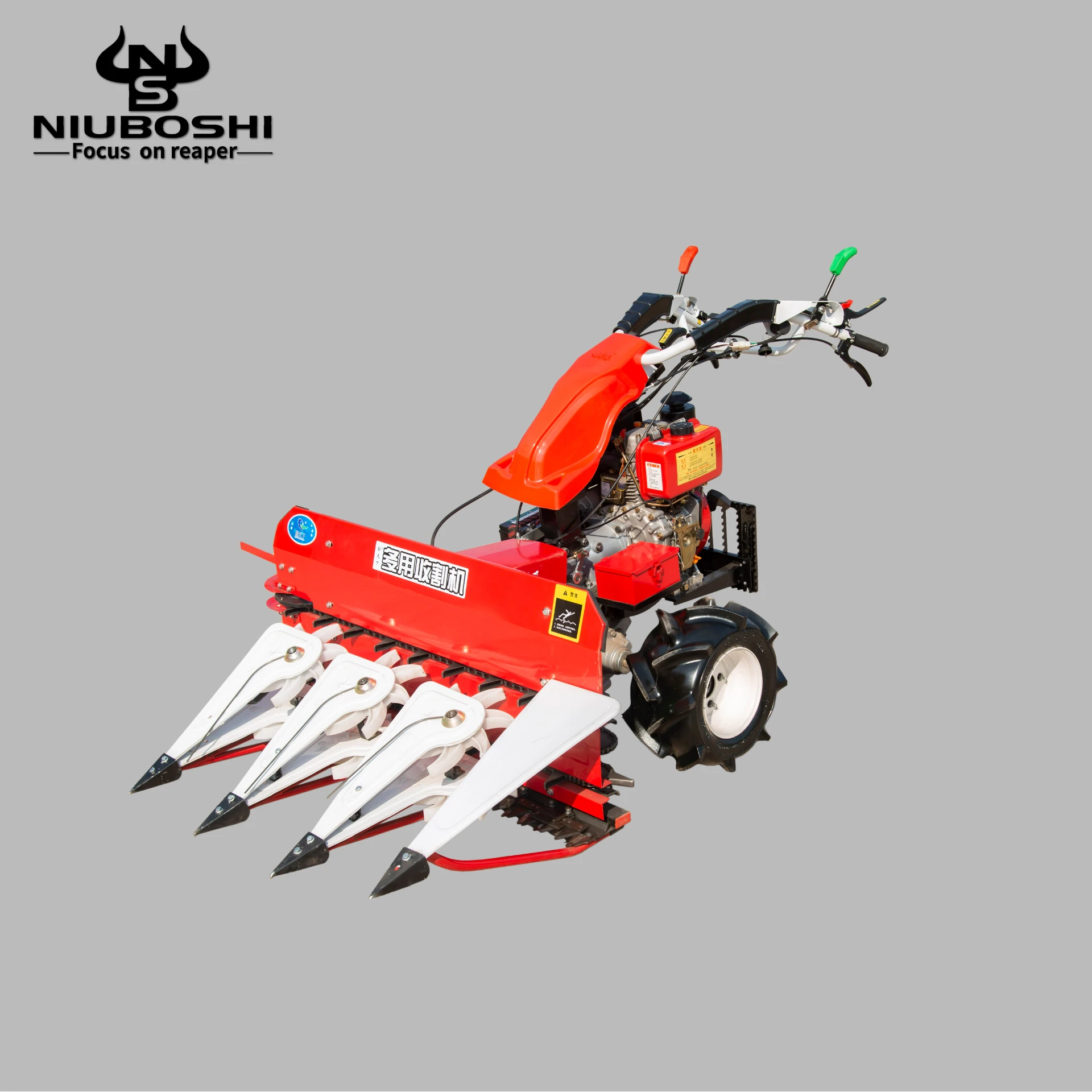
High-Efficiency forage harvester Solutions for Argentina's Pampa Plains

Optimizing crop recovery and livestock fodder production with precision engineering tailored for South American agricultural demands.

High-Efficiency forage harvester Solutions for Argentina's Pampa Plains

Empowering Argentine farmers with advanced harvesting technology to increase yields and reduce manual labor in the vast grain and forage belts.

The Landscape of Forage Harvesting in Argentina

Analyzing the current operational status of crop harvesting in the South American agricultural hub.

Argentina's agricultural sector, particularly in the Pampa region, is characterized by massive scale and a high demand for efficiency. The current reliance on a reaper machine has shifted toward high-capacity automation to handle the rapid growth cycles of forage crops used for cattle feed.

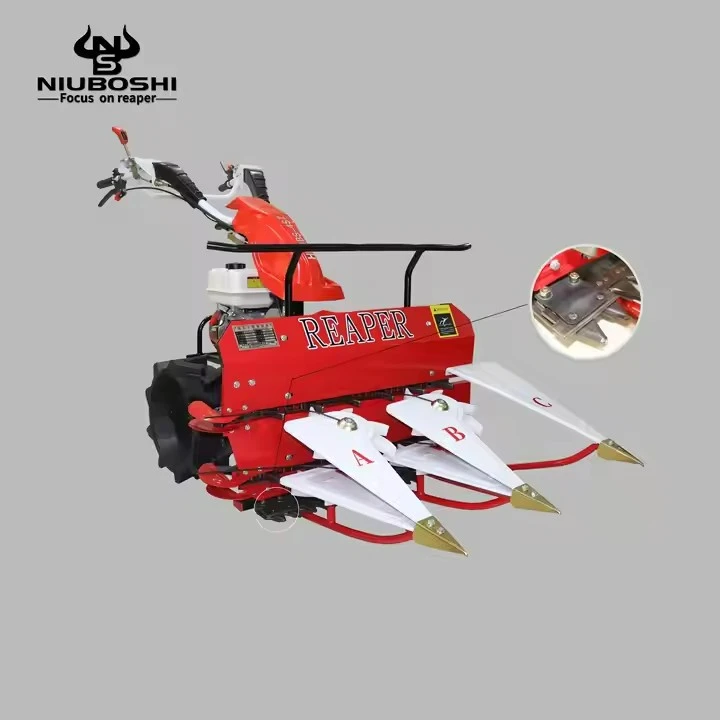
Despite the advanced nature of the industry, many medium-sized farms still struggle with the transition from manual cutting to fully mechanized processes. The integration of a mini reaper binder has become essential for diversifying crop management in smaller plots where large machinery cannot maneuver efficiently.

Economic volatility in the region has led farmers to seek equipment that balances durability with fuel efficiency. There is a growing trend toward investing in a versatile reaper harvester that can adapt to different moisture levels and crop densities common in the Argentine climate.
Evolution of Harvesting Technology in Argentina

Tracing the trajectory from traditional scythes to intelligent automated harvesters.

Market Development History

From the 1970s to the 1990s, Argentine forage production relied heavily on basic mechanical cutters. The introduction of the early grass reaper machine revolutionized the speed of mowing, allowing farmers to clear larger acreage in shorter windows before rain events.

Between 2000 and 2015, the market saw a surge in specialized equipment. The adoption of the reaper machine evolved to include better binding and stacking mechanisms, reducing post-harvest loss and optimizing the transport of fodder to storage facilities.

In recent years, the shift toward "Precision Ag" has integrated GPS and sensor-based cutting heights, making the modern reaper harvester a data-driven tool that maximizes nutrient retention in the harvested forage.

Future Development Trends

IoT Integration & Telematics

Future machinery will feature real-time monitoring of cutting efficiency and fuel consumption, allowing Argentine operators to optimize routes via satellite data.

Autonomous Operation

The shift toward driverless forage harvester units is expected to solve labor shortages during peak harvest seasons in the Santa Fe and Córdoba provinces.

Sustainable Power Sources

Transitioning from diesel to hybrid or electric power for smaller units like the mini reaper binder to meet global carbon reduction standards.

Industry Trends & Future Outlook

Strategic forecasts for the agricultural machinery sector in South America.

Smart Precision Cutting
Implementing AI-driven height adjustment to prevent soil contamination in forage crops.
Modular Attachment Systems
Quick-change heads for machines to switch between grass and cereal harvesting.
High-Density Baling
Enhanced compression technology in binders to reduce logistics costs across Argentina.
Eco-Friendly Materials
Using lightweight alloys to reduce soil compaction and increase machine agility.

Industry Outlook

Google Search trends in South America indicate a significant rise in queries for "autonomous harvesting" and "small scale forage solutions," suggesting that Argentina is moving toward a bifurcated market of ultra-large industrial farms and highly efficient small-holdings.

The convergence of mechanical durability and digital intelligence will define the winners of the next decade, as farmers prioritize machines that offer the lowest "cost per ton" of harvested material.

Local Application Scenarios in Argentina

Real-world deployment of harvesting equipment across diverse Argentine terrains.

1. Large-Scale Alfalfa Harvesting in Buenos Aires

Utilizing heavy-duty forage harvester units to manage massive alfalfa plantations, ensuring rapid cutting and processing to maintain high protein levels for dairy cattle.

2. Small-Plot Forage Management in Córdoba

Deploying the mini reaper binder in fragmented land plots where precision and agility are required to avoid damaging fence lines and irrigation systems.

3. Mixed Grass Cutting for Livestock in La Pampa

Using the grass reaper machine for seasonal pasture clearing, allowing for efficient rotation of grazing areas and soil recovery.

4. Commercial Grain Forage Production in Santa Fe

Integrating a high-capacity reaper harvester to collect corn and soy residues for silage, maximizing the energy output of every hectare.

5. Specialized Seed Grass Recovery in Patagonia

Implementing customized reaper machine settings to handle the tougher, wind-resistant grasses of the southern regions without seed loss.

Brand Story

Global Development Journey of Hebei Niuboshi Mechanical Equipment Co., Ltd.

Foundation & Engineering Core

Founded on the principle of "Durability First," we began by solving the problem of blade wear in high-silica soil environments.

Technological Breakthroughs

Developed the proprietary binding mechanism that reduced crop loss by 15% compared to traditional industry standards.

Global Market Expansion

Successfully entered the South American market, adapting our machines to handle the specific crop densities of Argentina.

Sustainable Innovation

Launched our eco-series of harvesters, focusing on reducing carbon emissions and improving fuel efficiency for large-scale farms.

Vision for the Future

Aiming to be the global leader in intelligent harvest solutions, bridging the gap between traditional farming and AgTech 4.0.

Comprehensive Harvesting Portfolio for Argentina

From compact binders to industrial forage units, we provide the full spectrum of harvest machinery.

Agricultural Machinery FAQ - Argentina Edition

Expert answers to the most common technical questions from our local partners.

How do I choose the right reaper harvester for the Pampa soil?

For Pampa soils, we recommend models with adjustable cutting heights and reinforced chassis to handle variable terrain and prevent soil ingestion.

What is the maintenance cycle for a grass reaper machine in high-humidity areas?

In humid regions of Argentina, we suggest a bi-weekly blade lubrication and rust-preventative coating application to maintain peak cutting performance.

Can a mini reaper binder handle dense Alfalfa crops?

Yes, our mini binder series is equipped with high-torque motors specifically designed to manage the density of Alfalfa without clogging.

What are the fuel consumption benefits of a modern forage harvester?

Our latest forage harvesters utilize optimized combustion technology, reducing fuel consumption by up to 12% compared to older generation models.

Is the reaper machine compatible with existing tractor brands in South America?

Our equipment uses universal PTO (Power Take-Off) standards, ensuring seamless compatibility with all major tractor brands used in Argentina.

How does the mini reaper binder improve forage quality?

By reducing the time between cutting and binding, it prevents excessive wilting and maintains the nutritional value of the forage.

Get Your Professional Harvesting Consultation

Ready to upgrade your harvest efficiency? Our experts are available to provide tailored machinery solutions for your farm in Argentina.

Contact Us Now

If you are interested in our products, you can choose to leave your information here, and we will be in touch with you shortly.