When evaluating the price of reaper binder equipment, many agricultural operators struggle to balance the initial capital expenditure with the long-term operational gains. The market is saturated with options, from manual tools to highly automated machinery, making it difficult to discern which investment truly optimizes the harvest cycle for specific crop types. Understanding the cost drivers is not just about the sticker price, but about how the equipment integrates with existing tractor power and field conditions.
The economic value of a harvesting system is realized through its ability to reduce labor hours and minimize crop loss during the cutting phase. For those managing oats, millet, or medicinal herbs, the choice between a full binder and a specialized cutting head—like those found in the Reaper cutting head series—can significantly alter the ROI. The interaction between the machine's working width, its compatibility with 8-18 horsepower tractors, and its discharge efficiency determines whether the investment pays for itself in a single season.
This analysis explores the technical and financial considerations essential for selecting efficient harvesting machinery. By examining the relationship between specifications and field performance, we provide a framework for buyers to evaluate the price of reaper binder solutions against their actual production needs. We focus on factual performance metrics and practical application scenarios to help you make an informed procurement decision.


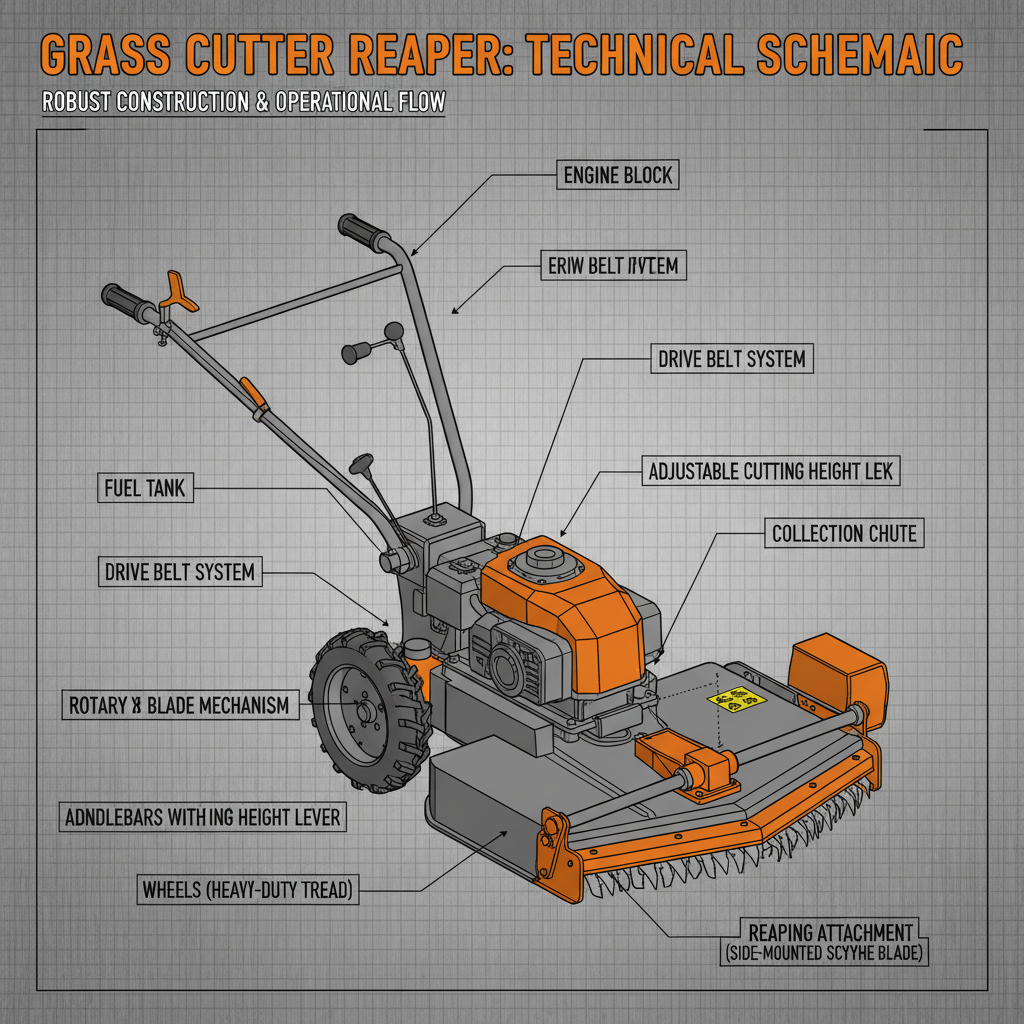
A reaper cutting system is engineered to automate the removal of crops from the soil while maintaining the integrity of the stalk. At its core, the system utilizes a reciprocating cutter bar that slices through the stems at a precise height. For walking tractor attachments like the GS120C2, the mechanism is designed for lightweight agility, ensuring that the machine does not compact the soil excessively while operating in delicate environments such as herbal medicine fields.
The operational flow involves the cutting head engaging the crop, which is then discharged using a right-side tiled harvest form. This specific discharge method is critical because it organizes the harvested material into neat rows on one side of the machine. This spatial organization simplifies the subsequent collection or binding process, effectively reducing the manual labor required to gather crops for transport or drying.
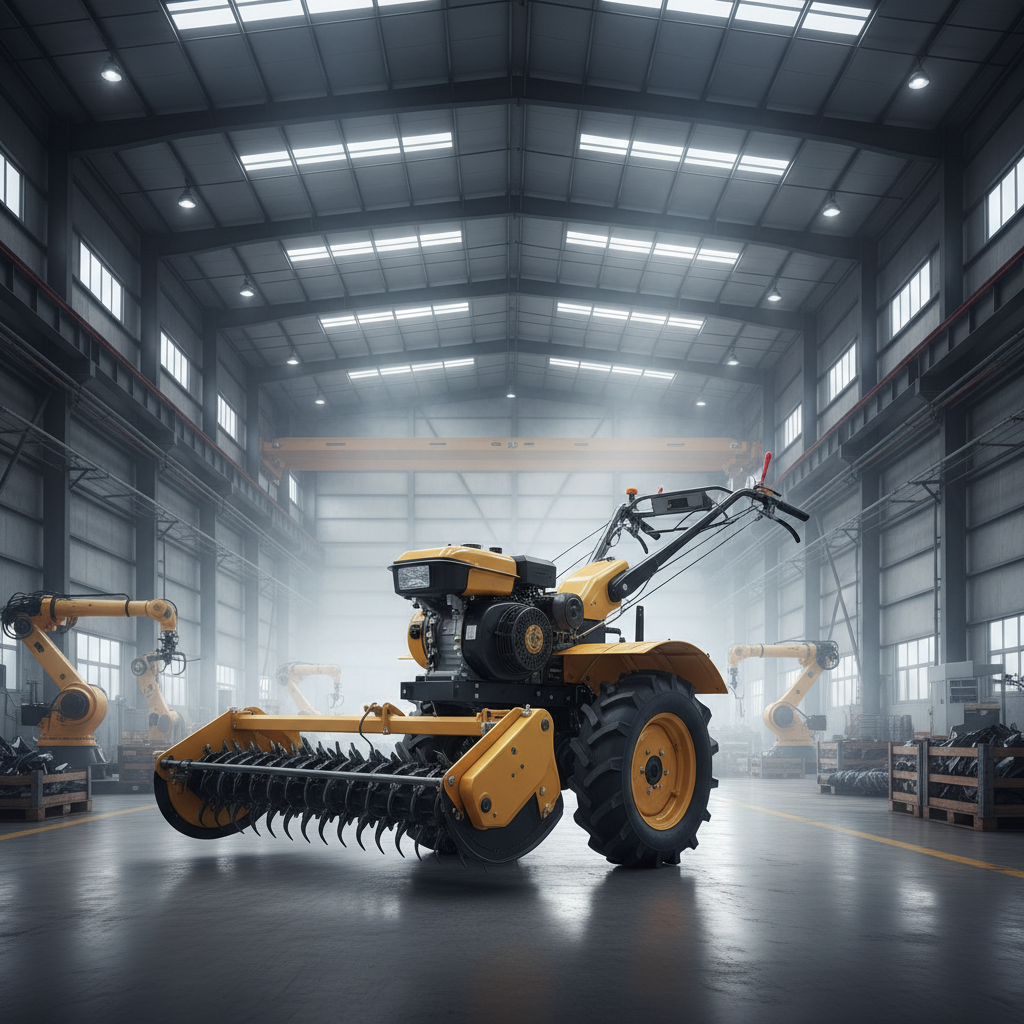
The efficiency of a harvesting head is primarily dictated by its working width and its weight-to-power ratio. A wider cutting head, such as the 120 cm width seen in professional series, allows for fewer passes across the field, directly reducing fuel consumption and time. However, this must be balanced with a light chassis; a net weight of approximately 71.8 kg ensures that the equipment remains maneuverable and does not strain the tractor's transmission during high-torque operations.
Precision in stubble height adjustment—down to as low as 3 cm—is the most critical factor for soil conservation and future crop regrowth, as it prevents root damage while maximizing the amount of harvested material recovered from the field.
Compatibility with a broad range of power sources is another essential factor. Systems that can adapt to walking tractors ranging from 8 to 18 horsepower offer versatility for different farm sizes. This flexibility ensures that whether a user is operating a small family plot or a medium-sized commercial farm, the equipment can be matched to the available power without compromising the cutting speed or the quality of the harvest.
When analyzing the value of compact harvesting equipment, the focus shifts from raw capacity to operational agility. For crops like mint, prunella, and pepper, large-scale combine harvesters are often too cumbersome and can cause significant crop damage. Compact cutting heads provide a surgical approach to harvesting, allowing the operator to navigate tight rows and irregular field boundaries that are inaccessible to larger machinery.
The real economic value lies in the efficiency rate of 3-6 acres per hour, which transforms a labor-intensive manual process into a streamlined mechanical operation, drastically lowering the cost per acre of harvested crop.
Furthermore, the ease of installation and maintenance contributes to the total cost of ownership. Equipment that requires simple attachment to a walking tractor and basic cleaning routines ensures high uptime during the critical harvest window. By reducing the need for specialized technicians for daily maintenance, farmers can allocate more resources toward crop quality and market distribution.
To understand the impact of mechanization, we must look at the operational capacity of specialized cutting heads compared to traditional manual methods. The transition to a mechanical system increases the hectares covered per hour while maintaining a consistent cutting height, which is nearly impossible to achieve with hand-held tools over large areas.
The following data illustrates the relative efficiency gains when utilizing standardized professional cutting heads across different operational scales, focusing on the acres processed per hour based on typical field conditions.
The versatility of the reaper cutting head series makes it applicable across a wide spectrum of agricultural needs. In traditional grain harvesting, such as wheat and rice, the focus is on speed and volume. However, in the cultivation of Chinese herbal medicines, the priority shifts to protecting the delicate stems and leaves. The ability to adjust the cutting angle and height allows a single piece of equipment to handle both high-stalk crops and low-lying soft crops.
For commercial pepper farming, the integration of specialized machinery is essential for maintaining the quality of the fruit during the harvest. By utilizing equipment developed in cooperation with institutions like the Agricultural University of Hebei, producers can implement a whole-process mechanical solution that reduces bruising and accelerates the transition from field to market.
The trajectory of agricultural machinery is moving toward hyper-specialization. We are seeing a shift away from "one-size-fits-all" harvesters toward modular systems where a single power unit, such as a four-wheel tractor, can be equipped with different cutting tables depending on the season. This modularity reduces the need for multiple expensive machines and maximizes the utility of the tractor throughout the year.
Technological integration is also focusing on material science to reduce the weight of the cutting heads without sacrificing structural rigidity. The use of advanced alloys and optimized geometry allows for wider cutting paths and higher speeds, further increasing the acres-per-hour metric while reducing the wear and tear on the drive system.
As sustainable farming practices gain traction, the emphasis on soil conservation will drive the demand for more precise stubble height control. Equipment that can maintain a strict 3 cm height across undulating terrain will become the standard, as it supports better soil health and faster crop regeneration for the next planting cycle.
Implementing new harvesting machinery often comes with challenges related to tractor compatibility and field preparation. Many users find that their existing power units may not be perfectly aligned with the cutting head's requirements. The solution lies in selecting equipment with a wide horsepower tolerance, such as the 8-18 HP range, ensuring a stable power delivery to the cutter bar.
Another common issue is the accumulation of crop debris in the cutting mechanism, which can slow down the harvest and increase the risk of mechanical failure. Regular cleaning and simple daily maintenance are the most effective ways to ensure long-term stability and prevent costly downtime during the peak of the season.
Finally, transportation and storage can be a hurdle for small farms. Choosing equipment with optimized packing forms—such as a compact 1557065 cm volume—allows for efficient shipping and easier storage in limited farm spaces, making professional-grade machinery accessible to smaller operations.
| Requirement | Small-Scale Farm | Medium-Scale Farm | Herbal Medicine Plot |
|---|---|---|---|
| Tractor Power | 8-12 HP | 12-18 HP | 8-15 HP |
| Cutting Width | 100-120 cm | 120+ cm | 120 cm |
| Stubble Height | Adjustable | Fixed/Low | Precision (3cm) |
| Priority | Low Cost | High Output | Crop Integrity |
| Maintenance | DIY Simple | Scheduled | Frequent/Detailed |
| Ideal Tool | Walking Tractor | Small Combine | Specialized Head |
The price is primarily determined by the material quality, the width of the cutting bar, and the compatibility range of the tractor power. Systems that offer high-precision stubble height adjustment and lightweight, high-strength materials typically command a different value proposition due to their impact on soil conservation and operational longevity.
The GS120C2 is specifically designed for oats, pepper, millet, prunella, and mint. Its design allows it to handle both traditional crops and Chinese herbal medicines, making it an ideal choice for farms that diversify their planting with high-value medicinal herbs.
This design ensures that all cut crops are discharged neatly to one side of the machine. This eliminates the need for manual spreading or reorganization of the crop, significantly speeding up the subsequent collection and binding processes and reducing overall labor costs.
It is compatible with walking tractors within the 8 to 18 horsepower range. Before purchase, users should verify that their tractor's power output and mounting interface match these specifications to ensure the cutter bar operates at the required RPM for clean slicing.
Under standard field conditions, a professional head like the GS120C2 can achieve a harvesting rate of 3 to 6 acres per hour. This efficiency depends on the crop density, the skill of the operator, and the power of the tractor being used.
Daily maintenance should include cleaning the cutter bar of crop residue and checking for loose bolts. Periodically lubricating the moving parts and ensuring the cutting blades remain sharp are the two most important factors in maintaining a stable, high-performance harvest over several seasons.
Investing in the right harvesting equipment is a strategic decision that balances initial cost with operational efficiency. By focusing on critical metrics such as working width, horsepower compatibility, and stubble height precision, agricultural producers can significantly reduce their labor dependency and protect their soil health. The transition from manual harvesting to a mechanical system, particularly with specialized cutting heads, provides the agility and precision necessary for modern diverse crop management.
For those seeking reliable harvesting solutions that integrate seamlessly with their existing tractor fleet, exploring a range of professional agricultural machinery is the best first step. We invite you to visit our official platform at https://www.hbniuboshi.com to find the specifications and models that best fit your specific field requirements and crop types.