
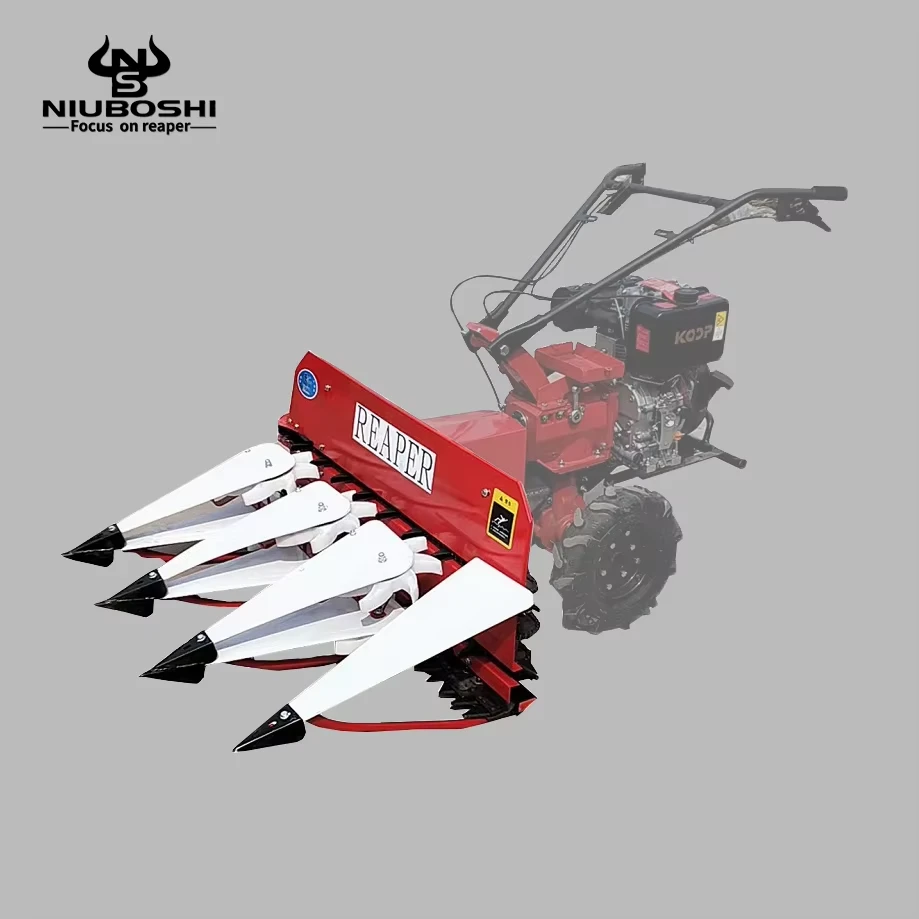
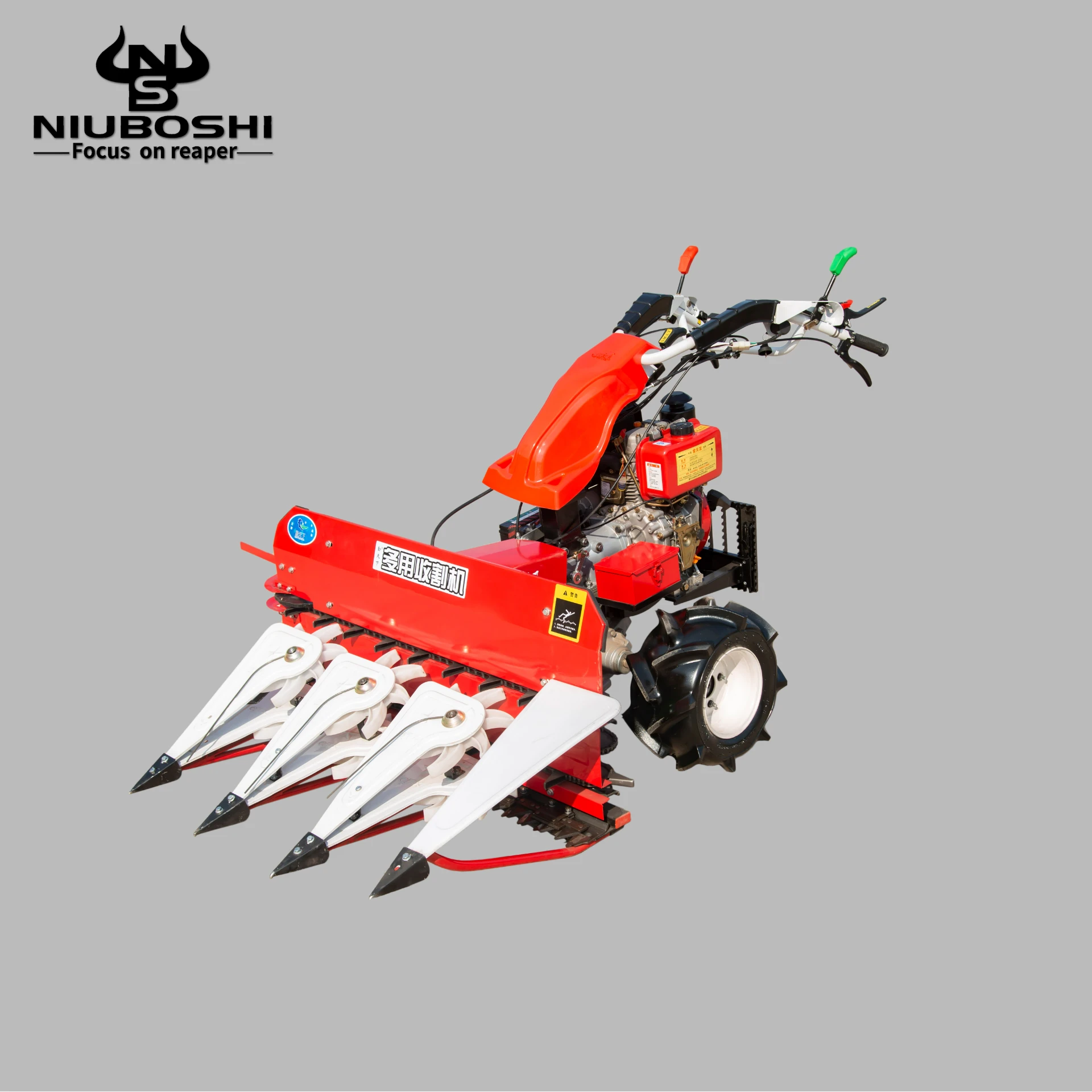
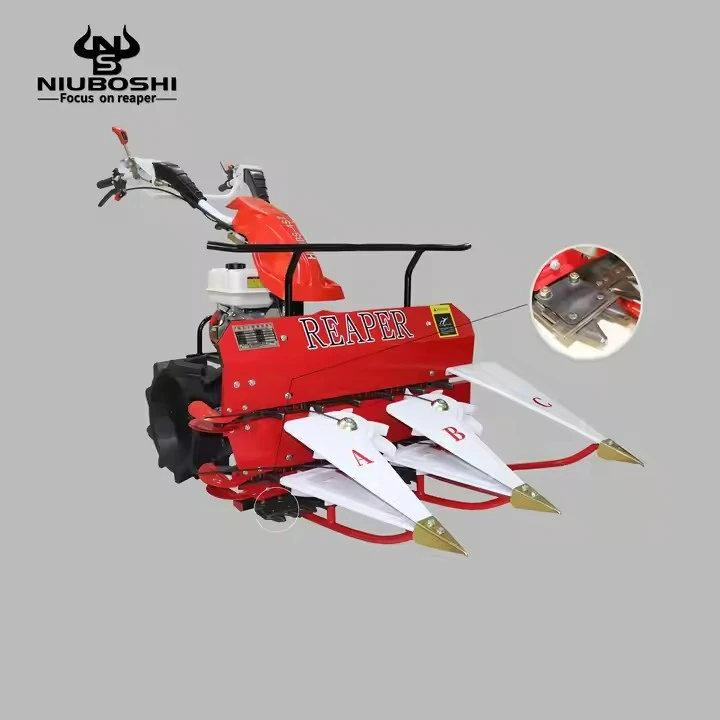
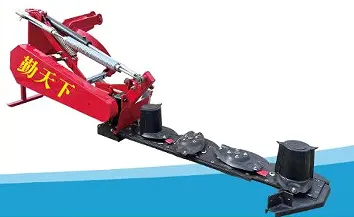
Advanced reaper harvester Solutions for Central African Republic Agriculture

Empowering farmers in the CAR with high-efficiency harvesting technology to boost crop yield and reduce manual labor in tropical climates.

Advanced reaper harvester Solutions for Central African Republic Agriculture

Providing robust, durable, and efficient crop harvesting machinery specifically engineered to handle the unique soil and climatic conditions of the Central African Republic.

Agricultural Harvesting Status in Central African Republic

Analyzing the transition from subsistence farming to mechanized harvesting.

In the Central African Republic, agriculture is the backbone of the economy, yet much of the harvesting process remains labor-intensive. The reliance on handheld tools for cutting grass and grains often leads to significant post-harvest losses, especially during the erratic rainy seasons typical of the region's tropical savanna climate.

The introduction of the reaper machine has begun to address these challenges by accelerating the cutting process. However, the lack of specialized machinery for smaller plots has limited the adoption rate among smallholder farmers who require more agile equipment than traditional large-scale harvesters.

Current market demands are shifting toward versatility. Farmers are increasingly seeking a forage harvester to support livestock feed production, recognizing that mechanization is the only way to scale production and ensure food security amidst regional economic instability.
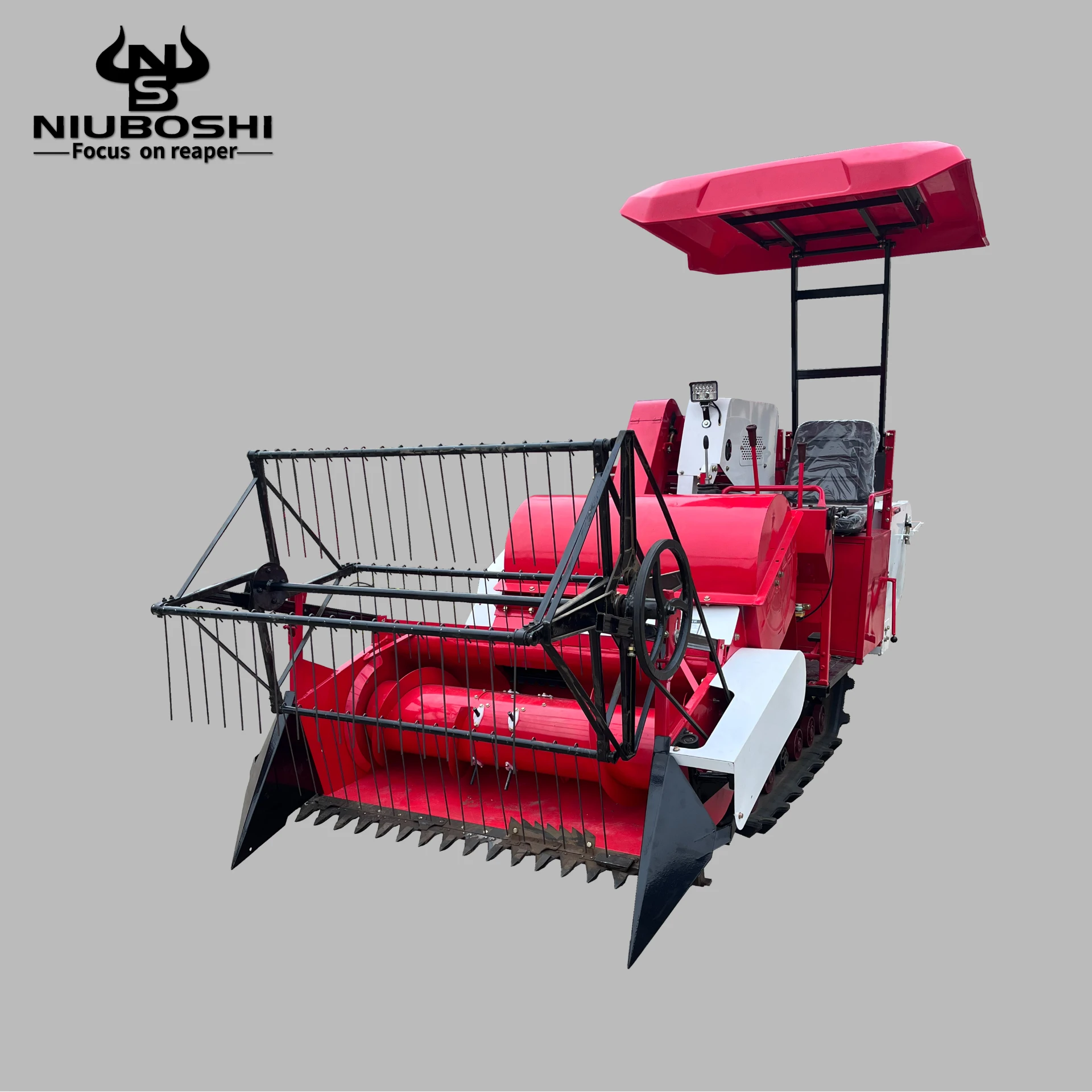
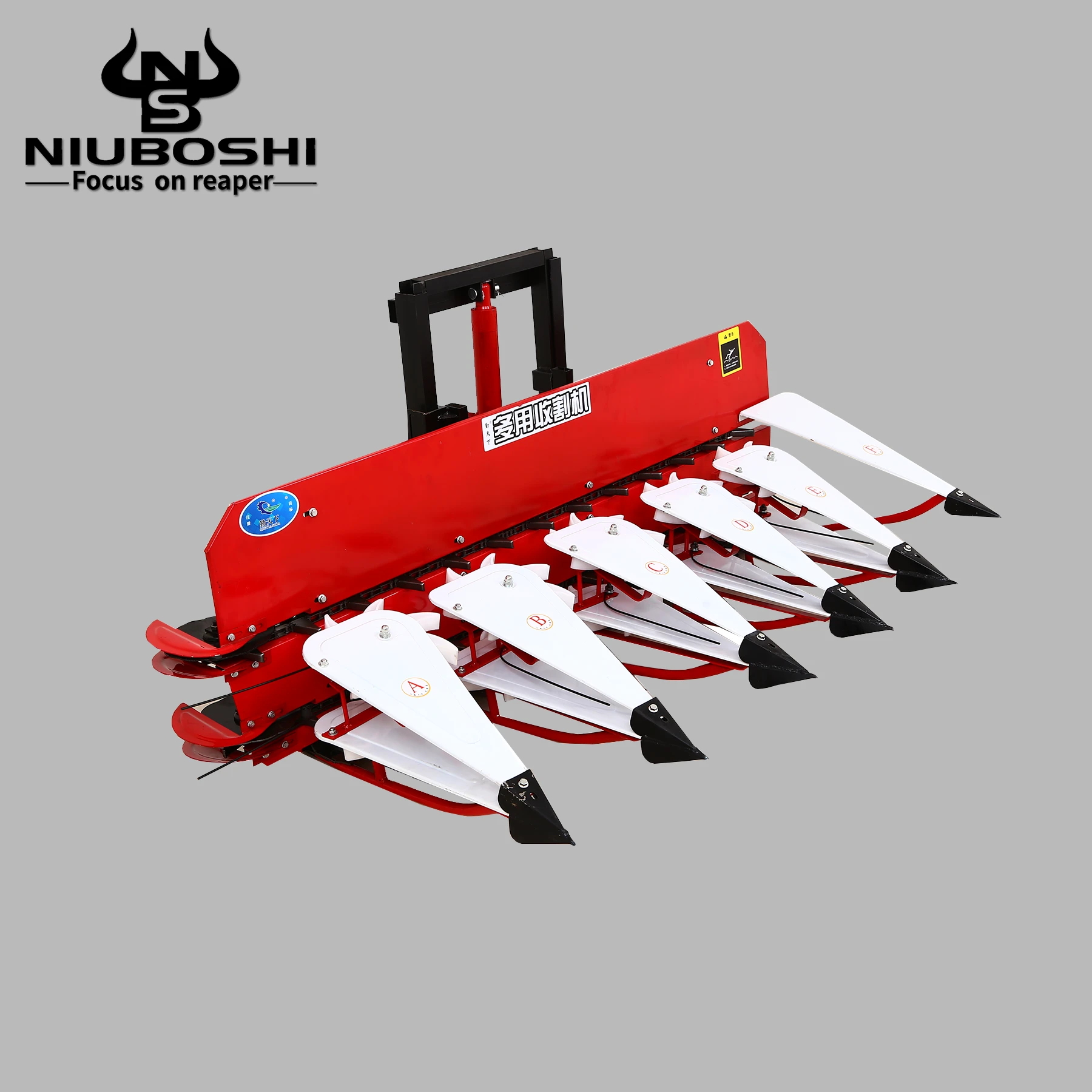
Evolution of Harvesting Technology in CAR

From traditional scythes to automated binder systems.

Market Development History

Historically, from the 1960s to the early 2000s, harvesting in the Central African Republic was almost exclusively manual. The "slash-and-burn" method dominated, where labor was the primary input, and the pace of harvest was dictated by the physical endurance of the workforce.

Around 2010, the first wave of basic mechanization arrived with the introduction of the grass reaper machine. These simple mechanical cutters reduced the time spent in the field by 40%, allowing farmers to harvest larger areas before the onset of heavy monsoon rains.

In recent years, the market has evolved toward integration. The demand for a mini reaper binder has surged, as farmers now require machines that not only cut the crop but also bundle it for easier transport and drying, reflecting a move toward professionalized agro-business.

Future Development Trends

Low-Emission Power Units

Due to the rising cost of fuel in remote regions of CAR, there is a clear trend toward energy-efficient engines and solar-hybrid power options for small-scale machinery.

Precision Cutting Geometry

Future designs will focus on adaptable cutting heads that can handle the diverse weed types and crop densities found in the Central African rainforest fringes.

Modular Maintenance Kits

To combat the lack of local repair shops, machinery is evolving toward modular designs where parts can be replaced by the farmer using basic tools.

Industry Trends and Future Outlook

Driving agricultural productivity through technological innovation.

Miniaturization of Equipment
A shift toward compact machines that fit the small land parcels typical of CAR's smallholder farms.
Durability Enhancement
Use of reinforced alloys to prevent wear and tear from the abrasive sandy soils found in northern CAR.
Multifunctional Heads
Combining reaper and binder functions into a single chassis to reduce capital expenditure for farmers.
Localized Support Networks
Expansion of mobile service centers to ensure zero downtime during critical harvest windows.

Industry Outlook

Over the next 3-5 years, Google search trends indicate a growing interest in "small scale mechanization" across Central Africa. This suggests that the market is moving away from massive, expensive combines toward accessible, high-efficiency tools like the mini reaper binder.

We anticipate a synergy between government-led agricultural grants and the import of durable harvesting machinery, which will transition the Central African Republic from subsistence to a surplus-driven agricultural economy.

Localized Application Scenarios in CAR

Real-world deployment of harvesting machinery across diverse terrains.

01. Tropical Grassland Forage Collection

Using a forage harvester in the Bangui outskirts to rapidly collect nutrient-rich grasses for cattle feed, ensuring livestock health during the dry season.

02. Small-Scale Rice Paddy Harvesting

Deploying the reaper machine in the river basins to cut rice stalks efficiently, preventing crop rot caused by unexpected flooding.

03. Community-Based Grain Harvesting

Implementing a mini reaper binder shared among a cooperative of farmers to automate the cutting and bundling of wheat and sorghum.

04. Rapid Vegetation Clearing

Utilizing the grass reaper machine for land preparation and maintaining clear boundaries around agricultural plots to reduce pest infestation.

05. High-Efficiency Wheat Harvest

Integrating a reaper harvester in the highland regions to maximize grain recovery and reduce the window between cutting and threshing.

Brand Story

Global Development History of Hebei Niuboshi Mechanical Equipment Co., Ltd.

Founding Vision

Established with the mission to bridge the gap between industrial precision and field practicality, focusing on affordable harvesting solutions.

Technological Breakthrough

Developed a patented blade system that reduces friction and energy consumption, specifically for dense tropical vegetation.

Global Expansion

Expanded our footprint into the African market, adapting our machinery to withstand extreme temperatures and humidity.

Sustainability Commitment

Launched a series of eco-friendly, low-emission engines to support sustainable farming practices worldwide.

Industry Leadership

Today, we stand as a leader in providing integrated crop harvesting solutions that empower farmers across the globe.

Complete Product Portfolio for Central African Republic

A comprehensive range of machinery designed for every stage of the harvest.

Frequently Asked Questions in CAR

Expert answers to common queries regarding harvesting equipment.

Which reaper machine is best for the tropical soil of Central African Republic?

Machines with reinforced chassis and anti-corrosion coatings are recommended to handle the high humidity and acidic soils of the CAR tropical regions.

How does a mini reaper binder improve wheat harvesting efficiency?

The mini reaper binder automates both cutting and tying, eliminating the need for manual bundling and reducing the labor force required by up to 70%.

Can a forage harvester be used for multiple types of grass in Africa?

Yes, our forage harvesters feature adjustable cutting heights and speeds, making them suitable for various indigenous grass species and corn silage.

What is the maintenance cycle for a grass reaper machine in dusty environments?

In the dusty northern regions of CAR, we recommend cleaning air filters daily and lubricating the cutting blades every 20 hours of operation.

Is the reaper harvester compatible with small diesel engines?

Yes, our designs are compatible with a wide range of standard diesel engines, ensuring that farmers can find local replacement parts easily.

How to transport a mini reaper binder to remote rural villages?

Our mini reaper binders are designed for compact folding, allowing them to be transported via small trucks or trailers on unpaved rural roads.

Ready to Modernize Your Harvest?

Contact our specialists today for a tailored mechanization plan for your farm in Central African Republic.

Contact Us Now

If you are interested in our products, you can choose to leave your information here, and we will be in touch with you shortly.