
Advanced Forage Harvester Solutions for Paraguay Agriculture

Optimizing crop harvesting efficiency across the diverse terrains of South America with precision engineering and durable machinery.

Advanced Forage Harvester Solutions for Paraguay Agriculture

We provide high-performance forage harvester technology designed to handle the demanding agricultural cycles of Paraguay, ensuring maximum yield and minimal waste.

Agricultural Harvesting Landscape in Paraguay

Analyzing the operational challenges and machinery needs of Paraguayan farmers.

Paraguay's agricultural sector is characterized by vast plains and a subtropical climate that favors intensive livestock and crop production. However, the reliance on manual labor for forage collection has historically limited the scalability of dairy and beef cattle operations, creating a surge in demand for a reliable reaper machine to streamline the process.

The region faces significant seasonal humidity fluctuations, which can affect crop moisture levels. This requires machinery that can operate efficiently under varying conditions without clogging, making the adoption of a robust reaper harvester essential for maintaining the nutritional value of the fodder.

Economically, there is a transition from subsistence farming to commercial agribusiness. Small to medium-sized farms are increasingly seeking a mini reaper binder to reduce operational costs while increasing the speed of the harvesting cycle, allowing them to compete in the global export market.
Evolution of Harvesting Technology in South America

From manual scything to automated precision harvesting.

Market Development History

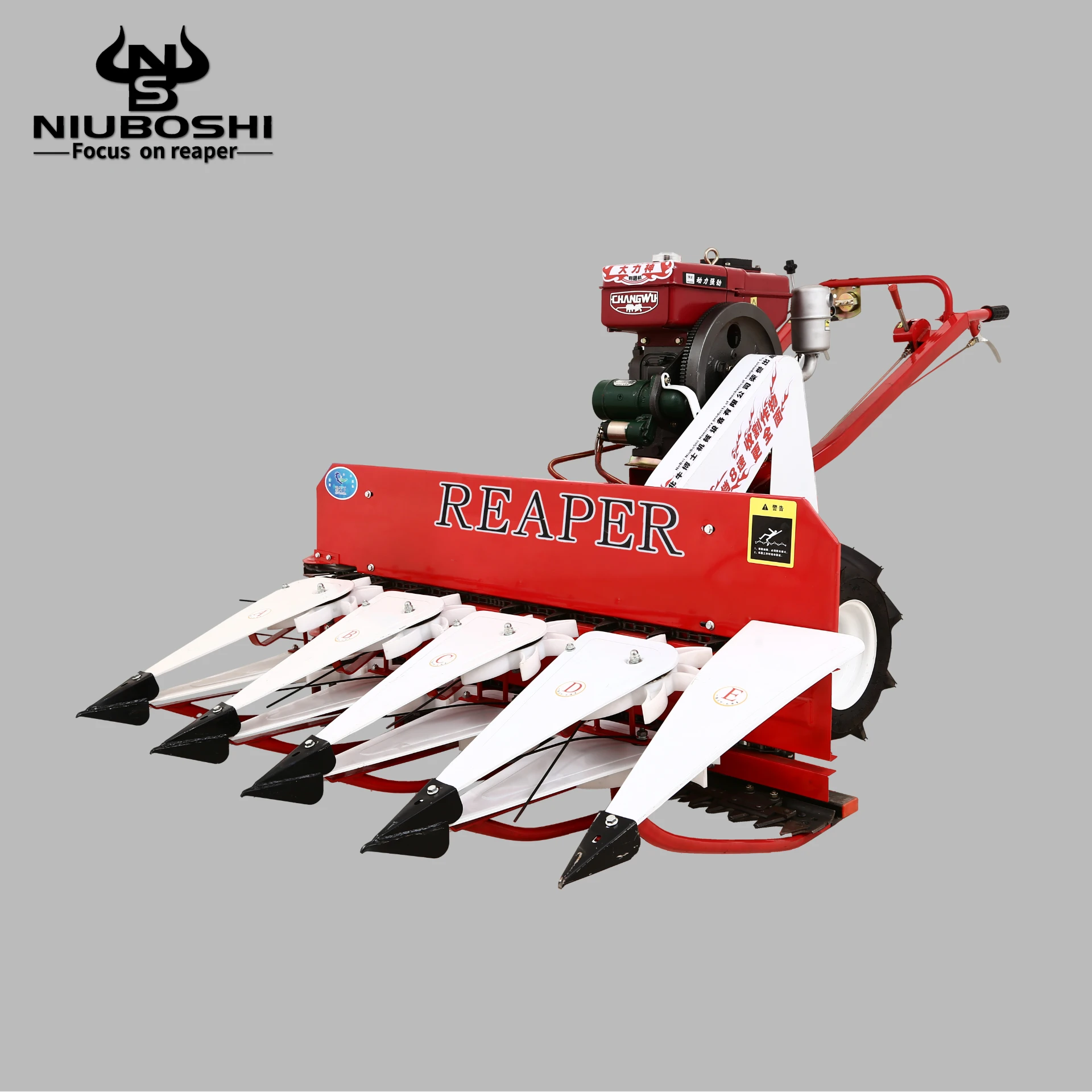
In the early 2000s, Paraguayan harvesting was dominated by manual labor and animal-drawn tools. The first wave of mechanization introduced basic grass reaper machine units, which replaced hand-cutting but still required extensive manual gathering and binding.

Between 2010 and 2020, the industry shifted toward integrated systems. The introduction of motorized binders and specialized forage equipment allowed farmers to process larger acreages. This era saw the rise of the mini reaper binder, tailored for the fragmented land parcels common in rural districts.

Currently, the market is entering the era of "Precision Forage Management." Modern machinery now integrates hydraulic controls and optimized cutting heights to maximize biomass recovery, reflecting a shift toward sustainable intensification in Paraguayan farming.

Future Development Trends

IoT-Integrated Monitoring

Integration of sensors to monitor crop moisture and machine health in real-time to prevent downtime during peak harvest windows.

Eco-Friendly Power Systems

A move toward hybrid or electric power units for small-scale harvesters to reduce carbon footprints in sensitive ecological zones.

Autonomous Harvesting Modules

Development of GPS-guided cutting paths to eliminate overlap and optimize fuel consumption across large estates.

Industry Trends and Future Outlook

Driving productivity through technological innovation in harvesting equipment.

Automated Precision Cutting
Implementing AI-driven cutting heights to ensure optimal forage quality for livestock feed.
Modular Attachment Systems
Interchangeable headers that allow one machine to serve as both a grass reaper and a grain harvester.
High-Durability Alloys
Using wear-resistant materials to combat the abrasive soils and tough stalks found in the region.
Smart Fleet Logistics
Cloud-based tracking to coordinate multiple harvesters across large-scale cooperative farms.

Industry Outlook

The future of the harvesting industry in Paraguay is inextricably linked to the digitalization of the field. As Google search trends indicate a rising interest in "sustainable farming" and "precision agriculture" in South America, we expect a shift toward machinery that minimizes soil compaction and optimizes fuel efficiency.

Furthermore, as the demand for organic livestock feed increases, the precision provided by a modern reaper machine will be the primary differentiator between high-margin agribusinesses and traditional farms.

Localized Application Scenarios in Paraguay

Practical deployments of harvesting machinery in diverse Paraguayan environments.

1. Alfalfa Production in the Central Region

Using high-capacity forage harvesters to rapidly cut and collect alfalfa during the optimal moisture window to ensure high-protein silage for dairy herds.

2. Small-scale Maize Forage in Itapúa

Deploying the mini reaper binder for family-owned farms to efficiently harvest corn stalks without the need for heavy, expensive combines.

3. Pasture Renovation in the Chaco

Utilizing rugged grass reaper machines to clear overgrown native grasses, preparing the soil for high-yield forage crop planting in arid conditions.

4. Cooperative Wheat Harvesting in Alto Paraná

Implementing large-scale reaper harvesters to coordinate the rapid collection of cereal crops across interconnected cooperative land parcels.

5. Organic Fodder Collection for Boutique Farms

Applying precision-controlled reaper machines to harvest organic grasses without contaminating the crop with soil or debris.

Brand Story

Global Development History of Hebei Niuboshi Machinery Equipment Co., Ltd.

Industrial Foundations

Established with a vision to modernize crop harvesting, we began by perfecting the fundamental mechanics of the reaper system for local farmers.

Technological Breakthroughs

Developed the proprietary blade geometry that reduced power consumption by 15% while increasing cutting speed in dense forage.

Global Market Expansion

Extended our reach to South America, adapting our designs to meet the specific soil and crop requirements of markets like Paraguay.

Commitment to Sustainability

Launched a series of eco-friendly, low-emission harvesting units to support the global transition toward green agriculture.

Industry Leadership

Today, we stand as a leading provider of harvesting solutions, solving the pain point of labor shortages through high-efficiency automation.

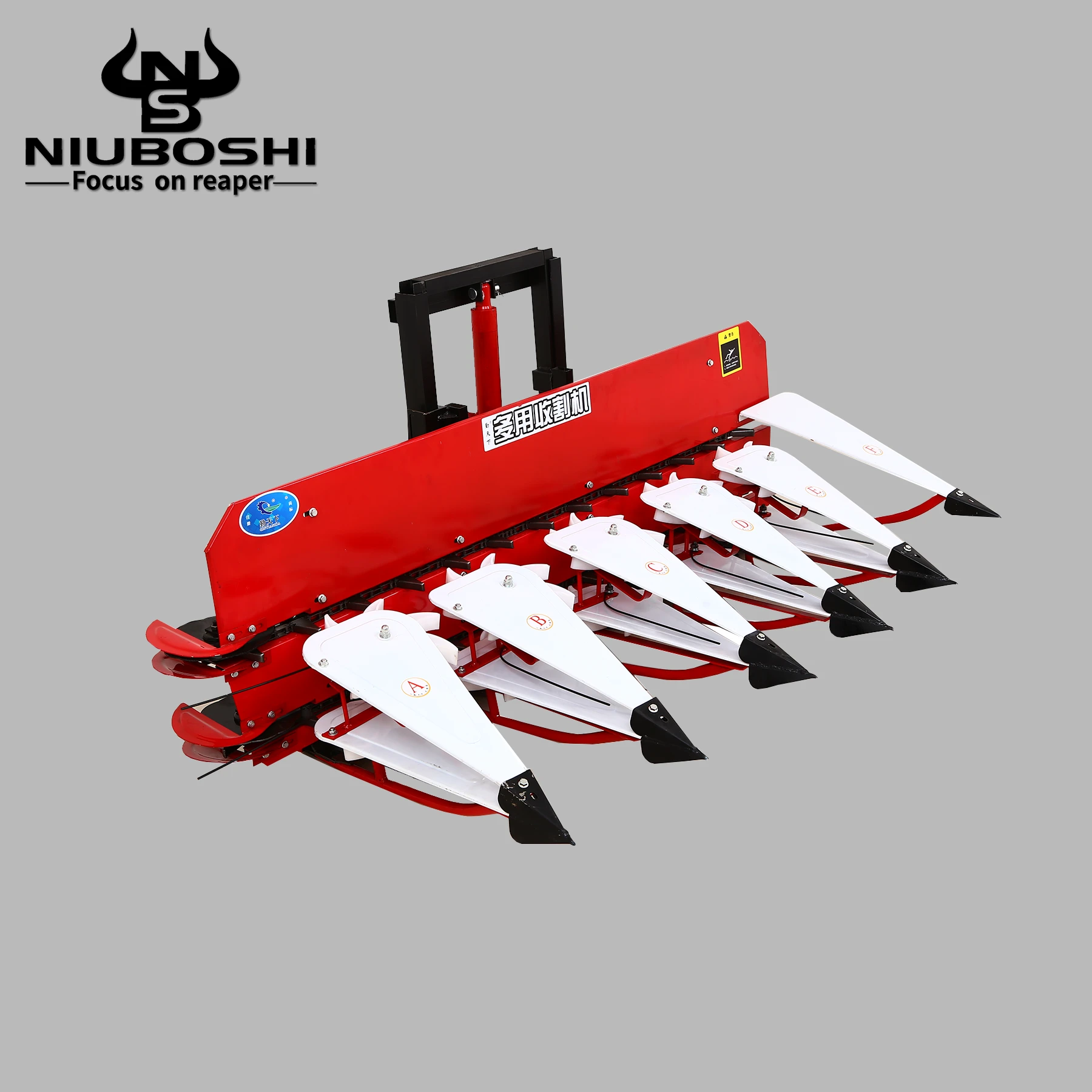
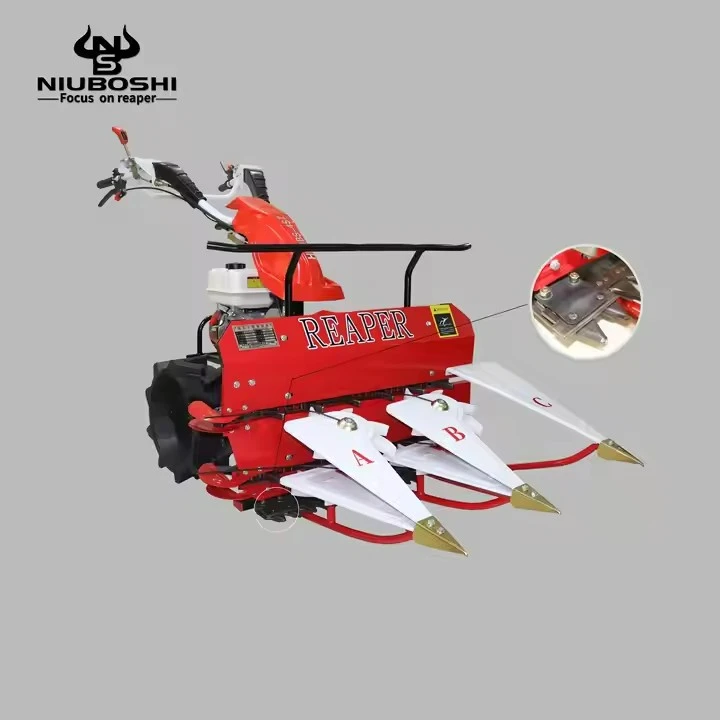
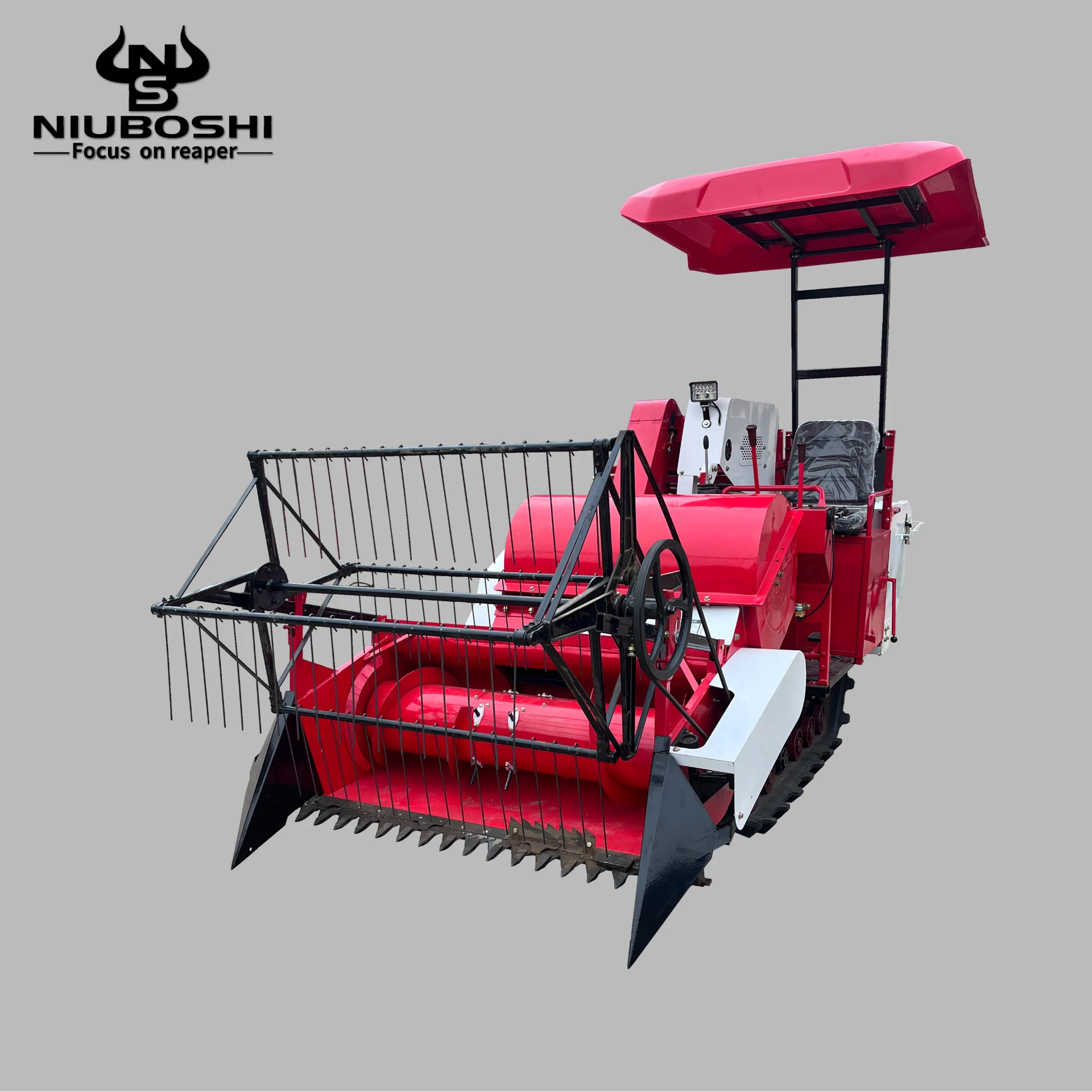
Comprehensive Harvesting Portfolio for Paraguay

A complete range of machinery tailored for the South American forage market.

Harvesting Equipment FAQ - Paraguay Edition

Expert answers to common questions regarding forage machinery deployment.

Which grass reaper machine is best for humid Paraguayan climates?

Machines with reinforced anti-clogging headers and corrosion-resistant coatings are ideal for high-humidity environments to prevent rust and operational delays.

How does a mini reaper binder improve efficiency for small farms?

It combines cutting and binding into one pass, drastically reducing the manual labor required for gathering sheaves, which is critical for farms with limited staff.

What is the maintenance cycle for a reaper harvester in sandy soils?

In abrasive sandy soils, we recommend a blade inspection every 50 operating hours and daily lubrication of all pivot points to prevent premature wear.

Can a forage harvester handle multiple crop types?

Yes, our versatility is ensured through interchangeable headers, allowing the same base machine to process maize, alfalfa, and various native grasses.

How to optimize fuel consumption when using a reaper machine?

Maintaining optimal blade sharpness and matching the ground speed to the crop density are the most effective ways to reduce fuel usage.

What are the advantages of motorized reaper harvester systems?

They offer consistent cutting speed and height, reducing crop loss and significantly increasing the total tonnage harvested per hour compared to manual methods.

Consult Our Agricultural Experts

Ready to modernize your harvest in Paraguay? Contact us for a customized machinery plan tailored to your land.

Contact Us Now

If you are interested in our products, you can choose to leave your information here, and we will be in touch with you shortly.